Most international teams configuring an SMS program for Mexico expect to register a sender name, just as they did in the UK, Australia, Nigeria, or Kenya. They go through the process, choose a branded sender ID, and get their first message out. The message arrives. The recipient sees a short code, not the brand name. In Mexico, this is not a deliverability problem. It is how the system works for everyone.
Blog
How PAYGo Solar and Agricultural Finance Operators Use SMS as Operational Infrastructure
May 4, 2026
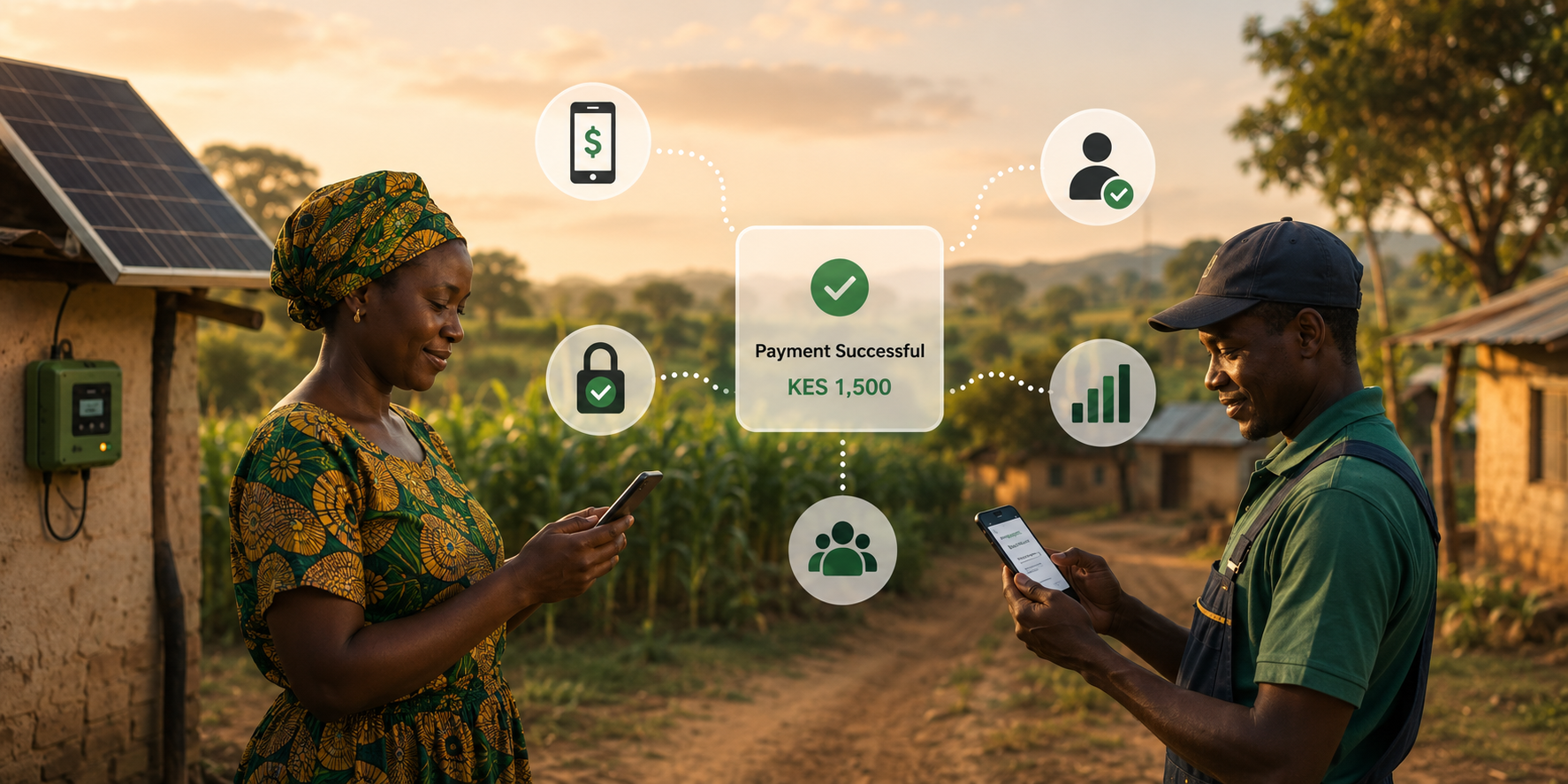
PAYGo (pay-as-you-go) solar and agricultural finance operators use SMS to automate the connection between a customer payment and the service it unlocks. When a mobile money payment arrives, an SMS workflow parses the transaction, updates the account status, sends a confirmation to the customer, and in some cases dispatches a field agent if the account requires manual intervention. This runs automatically across thousands of accounts in real time. The SMS layer is not a communication add-on, it is what makes the business model operationally viable at scale..
Sending SMS in Uganda: UCC Registration, the DPPA, and What Changed in 2025
Apr 28, 2026
On July 10, 2025, Uganda's Personal Data Protection Office secured the country's first criminal conviction under the Data Protection and Privacy Act 2019. The case involved a digital lending company whose director had used a borrower's personal data, name, photograph, and phone number, to create a threatening video circulated on WhatsApp. The director was convicted for operating without PDPO registration and for processing personal data without consent. The fine was modest. The precedent is not. The PDPO's acting director was explicit: this conviction is the beginning of assertive enforcement, not an isolated case.
Why Field Force Communication Breaks Down at Scale and What to Do About It
Apr 22, 2026
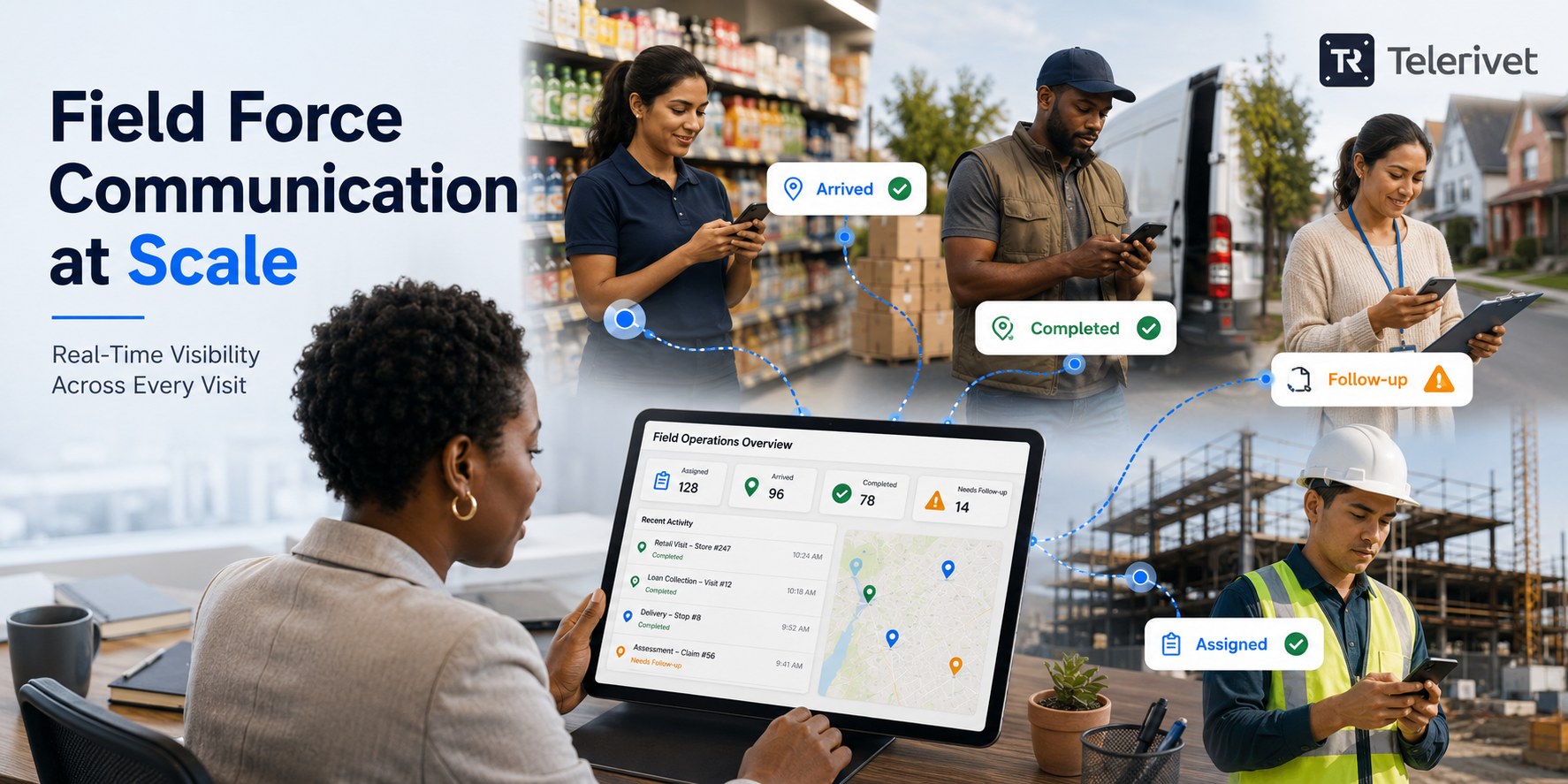
Field force communication is the system a business uses to coordinate between a central operations team and distributed field agents covering task assignment, check-ins, status updates, and exception reporting. At small scale, a group chat and a spreadsheet are sufficient. At 100+ agents, the absence of structured message routing, automated check-ins, and response tracking creates coordination failures that cost coverage, visibility, and operational control..
Sending SMS in Nigeria: Sender ID Registration, DND, and Why Messages Silently Fail
Apr 15, 2026
Your SMS program worked in testing. It worked for the first campaign. Then, somewhere between your platform's dashboard and your customers' phones, a growing share of messages started disappearing. No error. No bounce. Your dashboard says sent. Your customers say nothing arrived. If you are messaging into Nigeria, this is not a bug. It is the predictable result of a regulatory system that most teams only learn about after it has already cost them.
Business SMS in Brazil: ANATEL, LGPD, and Building Programs Across Three Time Zones
Apr 13, 2026
Brazil is simultaneously one of the most challenging markets to configure SMS for and one where SMS configuration is often not the right starting point. With approximately 148 million WhatsApp users, Brazil ranks second globally in WhatsApp adoption behind only India, and WhatsApp penetration sits at well over 90% of smartphone users. For many operational programs in Brazil, the channel architecture question comes before the SMS compliance question: which audience segment needs SMS, and which segment is better served through WhatsApp with SMS as the fallback?
What It Takes to Run an SMS Vaccination Reminder Program at Scale
Apr 8, 2026
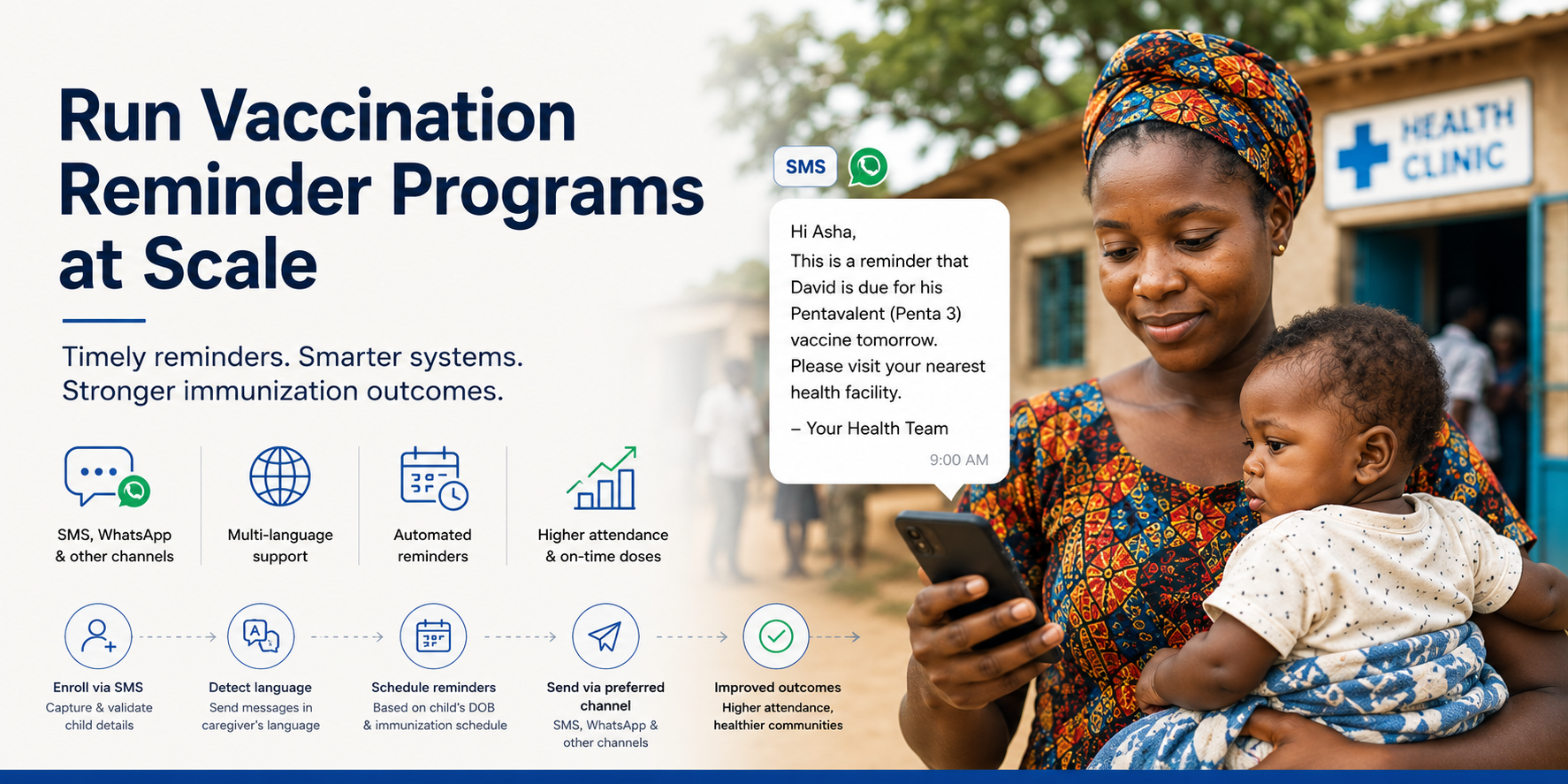
Running an SMS vaccination reminder program at scale requires four components working together: a reliable patient contact list with valid numbers and language preferences, a messaging platform capable of multi-language sequencing and two-way response handling, integration with the health facility's scheduling or registry system, and routing logic that accounts for recipients without smartphones or reliable data access. The communication problem is solvable. The operational challenge is building the workflow that connects all four.
Vaccination coverage gaps in low- and middle-income countries are not always caused by vaccine shortages. In many programs, vaccines are available, health facilities are operating, and community health workers are already deployed..
Business SMS in Canada: CASL, 10DLC Registration, and Why Unregistered Messages Disappear
Apr 2, 2026
Your SMS program is sending. Your platform dashboard shows messages delivered. And somewhere between your server and a Rogers or Bell subscriber's phone, a portion of that traffic is being filtered, throttled, or silently dropped because your number is unregistered A2P traffic on a domestic Canadian carrier.
Automated Loan Payment Reminders for Lenders
Mar 23, 2026
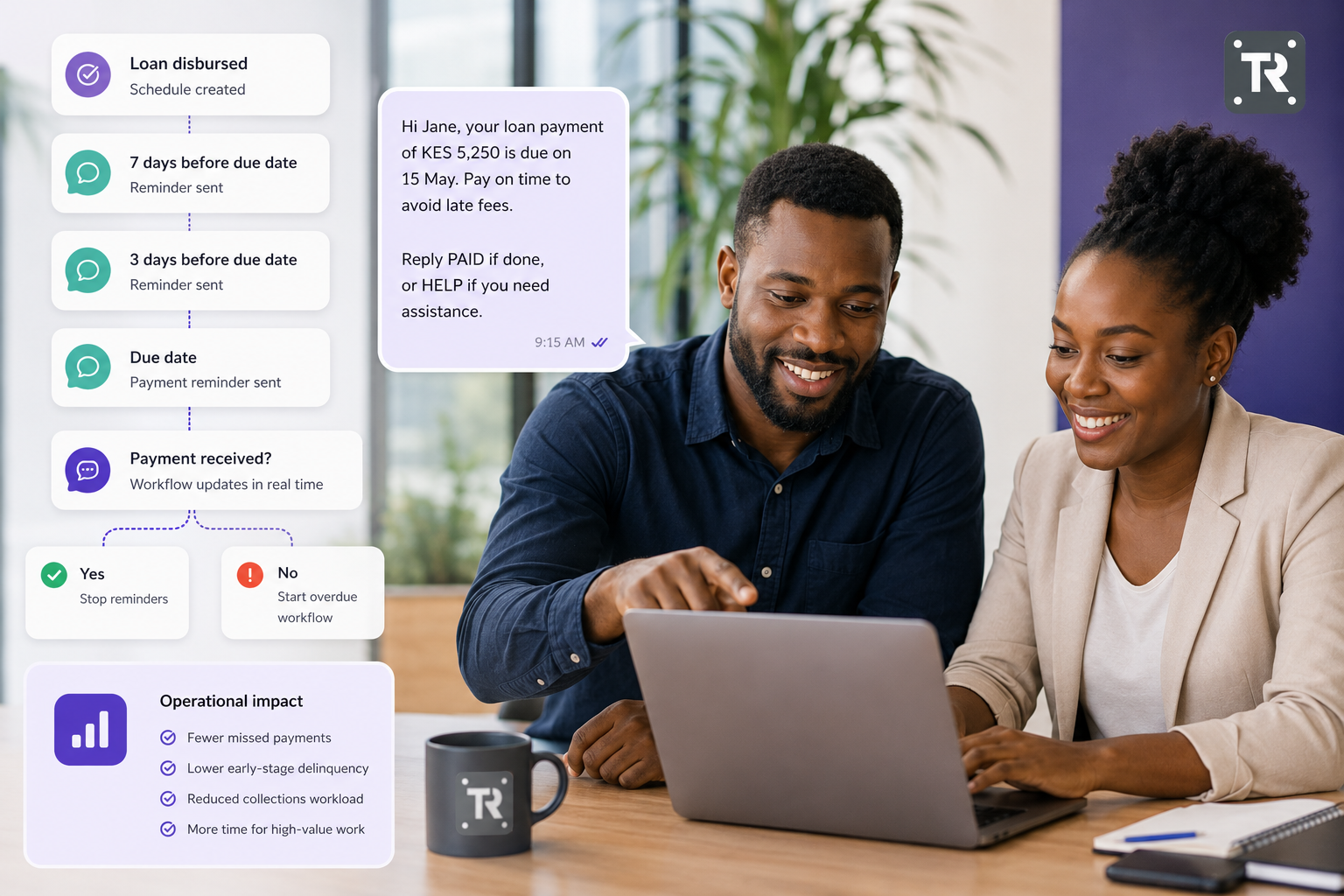
How lending operations in the Philippines, Kenya, Nigeria, Indonesia, and across high-growth markets in Asia and Africa build automated repayment workflows on channels like SMS, WhatsApp, USSD and more without scaling their collections teams..
Most late loan payments are not a credit problem. They are a communication problem.
Business SMS in South Africa: POPIA, WASPA, and the One-Approach Rule
Mar 16, 2026
The Information Regulator of South Africa has been explicit about what changed in 2024. For the first five years after POPIA came into force, the regulator's approach was education. That phase is over. In February 2024, the regulator issued its first enforcement notice for a direct marketing violation under POPIA. In December 2024, it published a Guidance Note spelling out exactly what Section 69 requires. In April 2025, it amended the POPIA Regulations to simplify how data subjects can object to marketing and request deletion of their data. The signal across all three actions is the same: enforcement has begun.
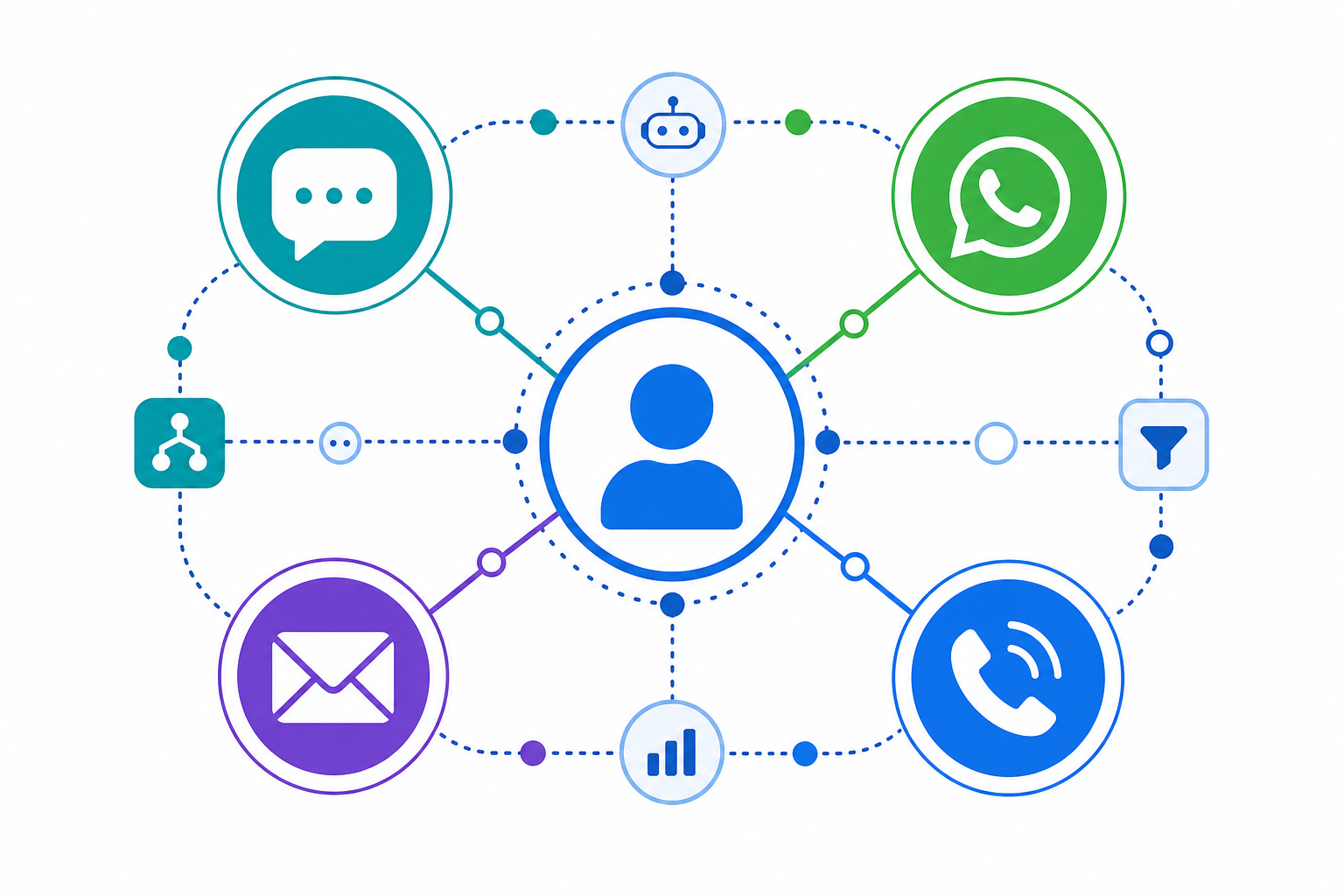
Why Multichannel Customer Experience Fails and How to Fix It
Mar 11, 2026
Most organizations have more channels than they have strategy.
SMS goes through one vendor. WhatsApp through another. Transactional email through a platform that nobody in operations can access. Voice sits with a separate IVR provider. Each team manages its own slice, and nobody owns the customer experience end to end.