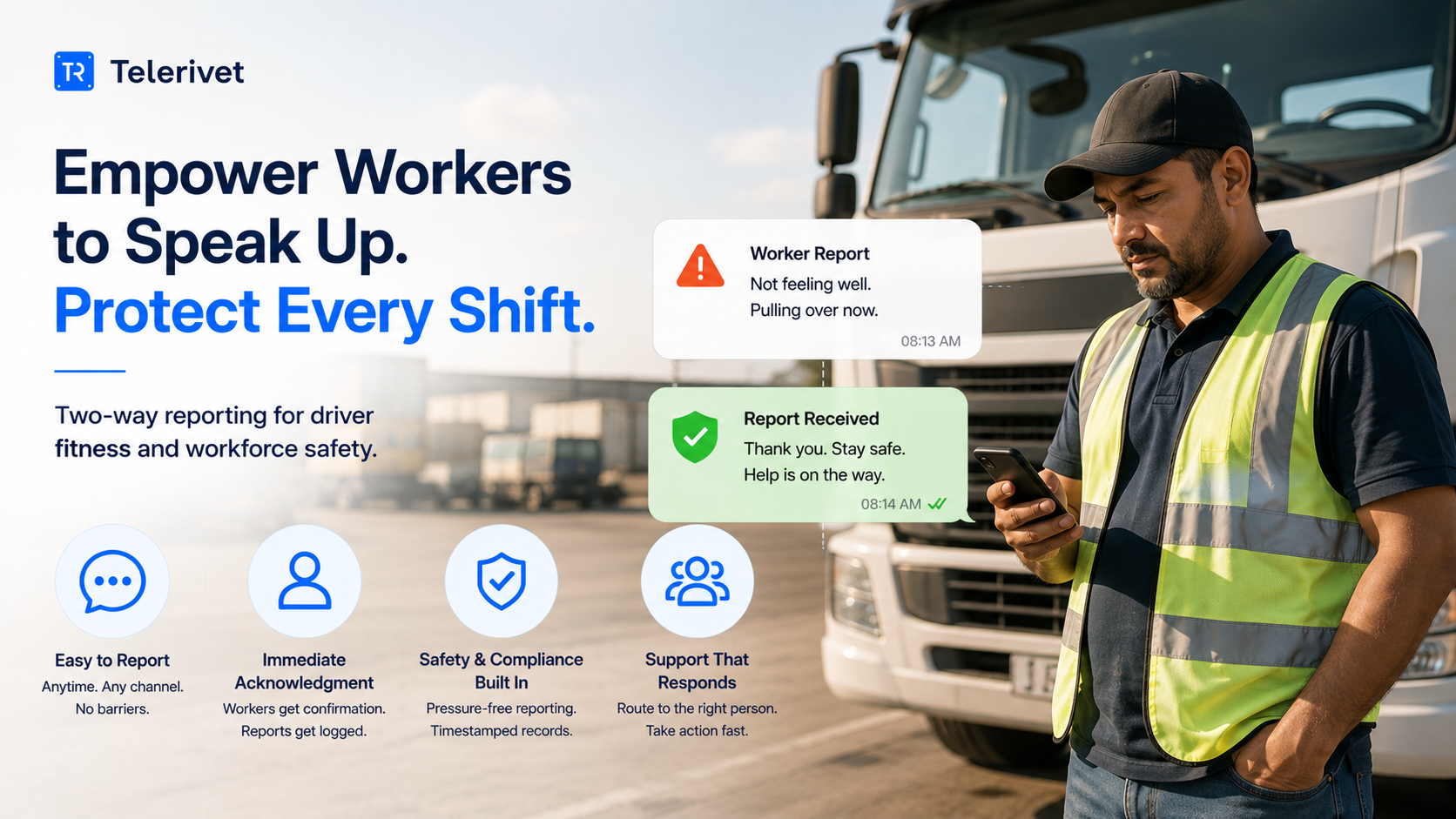
From August 1, 2026, Australian heavy vehicle drivers operate under an expanded legal duty. The NHVR's unfit to drive duty gives drivers of any heavy vehicle over 4.5 tonnes the legal standing to stop driving, and requires employers to support them in reporting fitness concerns without pressure or adverse consequences. It replaces a narrower rule that only covered fatigue, with one that covers physical illness, injury, medication side effects, and mental health.
Two-way Messaging
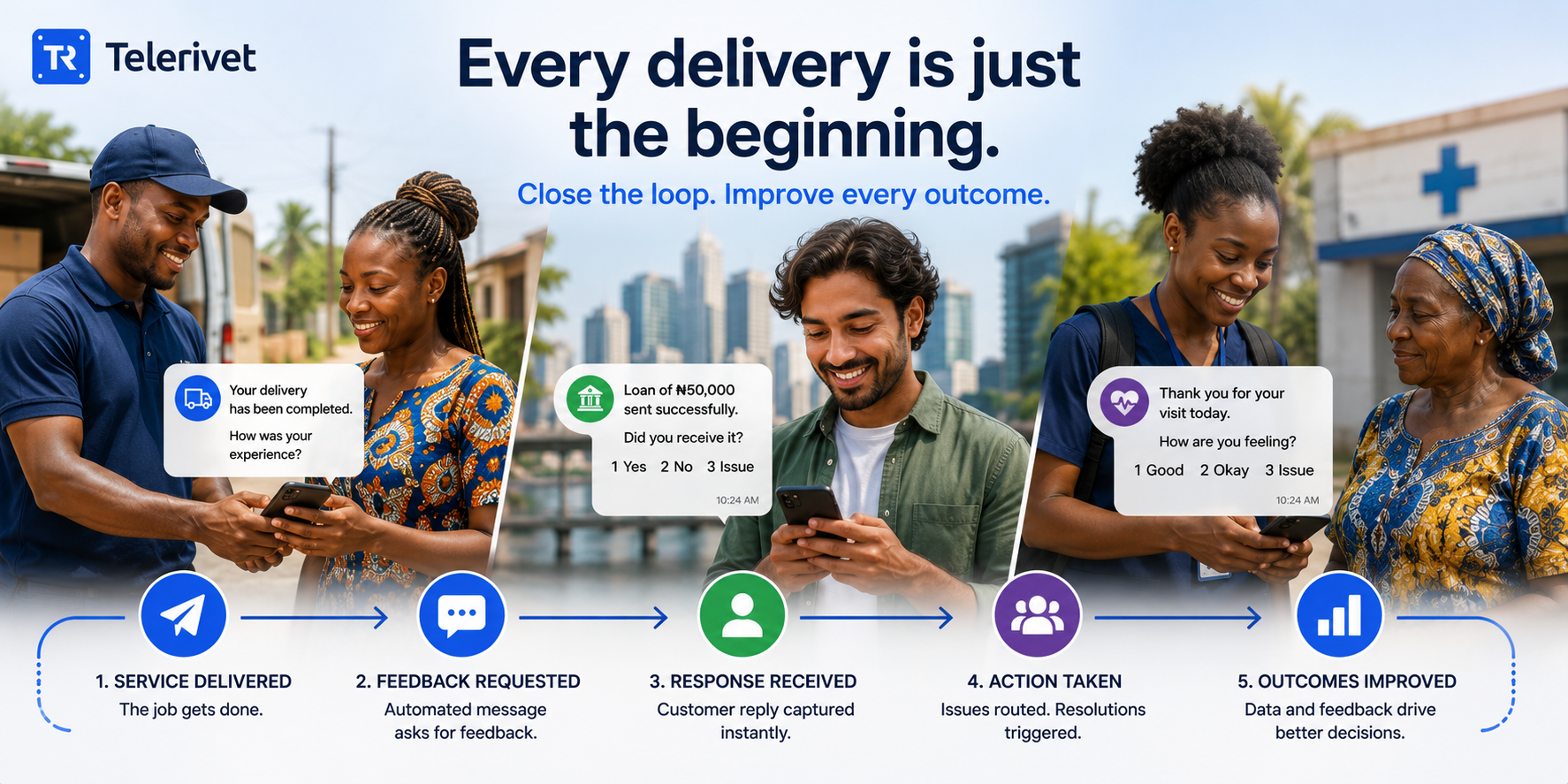
The Delivery Was the Easy Part: Why the Feedback Loop Is the Workflow That Gets Skipped
Aug 13, 2026
A post-service feedback workflow is the structured sequence of communication that runs after a service event to confirm delivery, capture the recipient's experience, and route any follow-up action to the right team. It is not a survey. It is not a customer experience research function. It is the final stage of the workflow itself, and in most organizations it is missing.

How to Capture and Qualify Leads at an Auto Show via WhatsApp
Jul 28, 2026
WhatsApp lead capture at an auto show is the use of a QR code or short number displayed at a brand stand to initiate a WhatsApp conversation with a visitor, collecting contact details, qualifying interest, and routing the lead to the right follow-up workflow, all without paper forms or manual data entry. The operational advantage is that the lead exists in a structured, actionable format before the visitor has left the floor. The most common alternative, collecting paper forms and entering them manually after the event, loses between 20% and 40% of leads to illegible handwriting, incomplete entries, or delayed follow-up..

What a Tanzania Field Study Taught Me About Reach Versus Dialogue
Jul 24, 2026
Before I started Telerivet, I spent two years as a Peace Corps volunteer in Tanzania, working on local ICT skills in communities where a feature phone was often the only computer anyone owned. What stuck with me was not the technology itself, but how much people did with it once they could talk back instead of just receive.
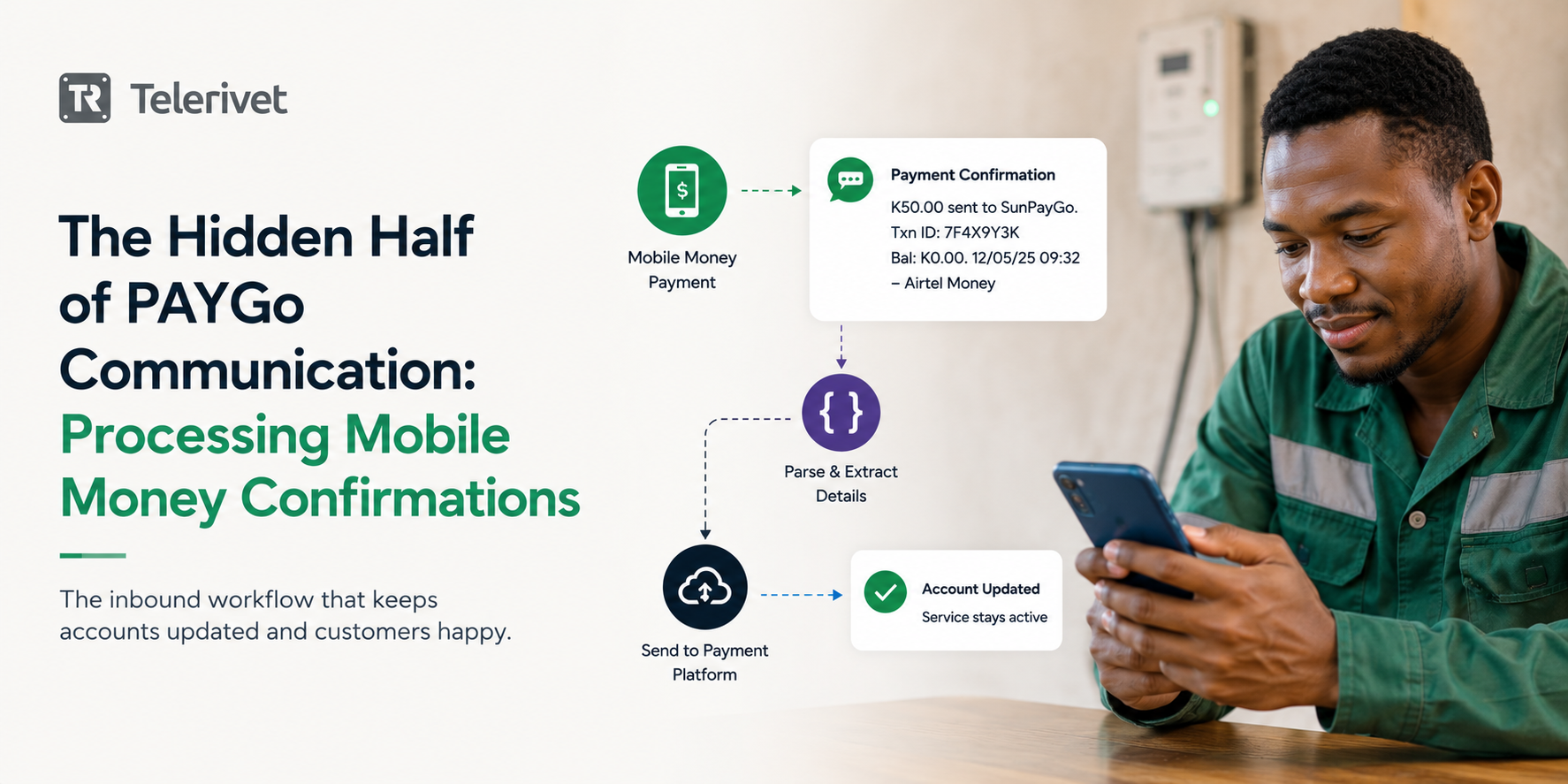
When Mobile Money Payments Arrive but Accounts Don't Update
Jul 23, 2026
When a mobile money payment arrives for a PAYGo solar account, a loan repayment, or a utility service, the payment itself is only half the workflow. The other half is the inbound confirmation: the system that detects the payment, parses the transaction details, matches it to the correct account, and triggers the downstream action, enabling the device, updating the balance, sending a customer confirmation. Most operators build the outbound half carefully and underinvest in the inbound half. That is usually when they discover what the inbound half costs when it fails.
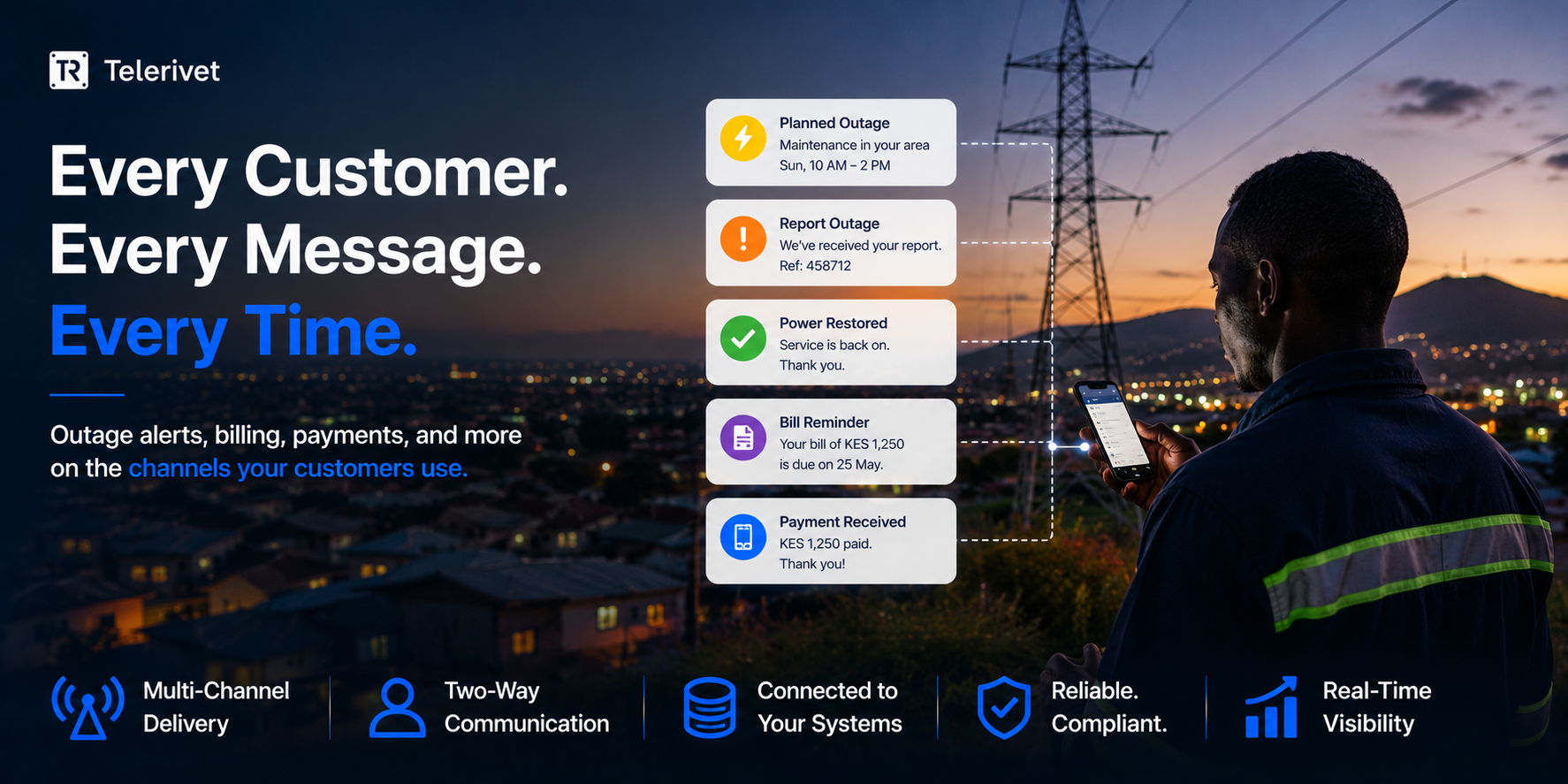
When a Third-Party App Knows About the Outage Before Your Customers Do
Jul 21, 2026
In Kenya, planned power interruptions are published as formal notices listing affected markets, schools, and villages by name, and customers are directed to the website, social media, or the newspaper to find them. The gap is real enough that independent apps exist purely to convert those notices into phone alerts. The utility holds the meter records and the phone numbers. Someone else does the notifying.
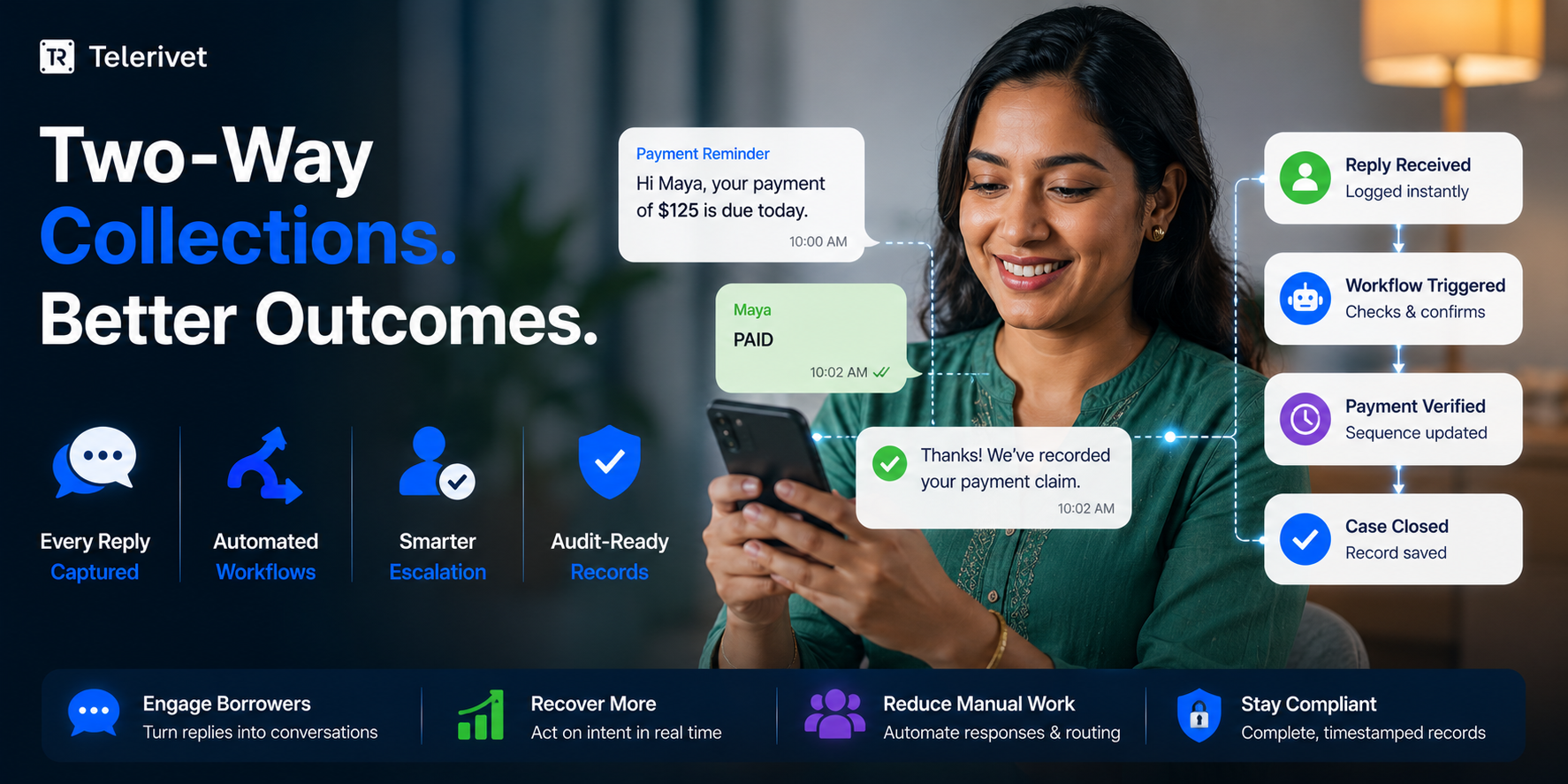
Beyond the Reminder: How Two-Way Messaging Changes the Collections Conversation
Jul 19, 2026
There is a specific moment when a lending operation discovers the ceiling of its messaging setup. It is not a deliverability failure. The reminders go out on time, at volume, month after month. The moment comes when a borrower replies to one of those reminders and nothing happens, because nothing was ever built to happen. We are seeing this play out right now with high-volume lenders sending millions of messages a month through providers they are otherwise satisfied with. They are not leaving because messages fail to arrive. They are leaving because the conversation only goes one direction.
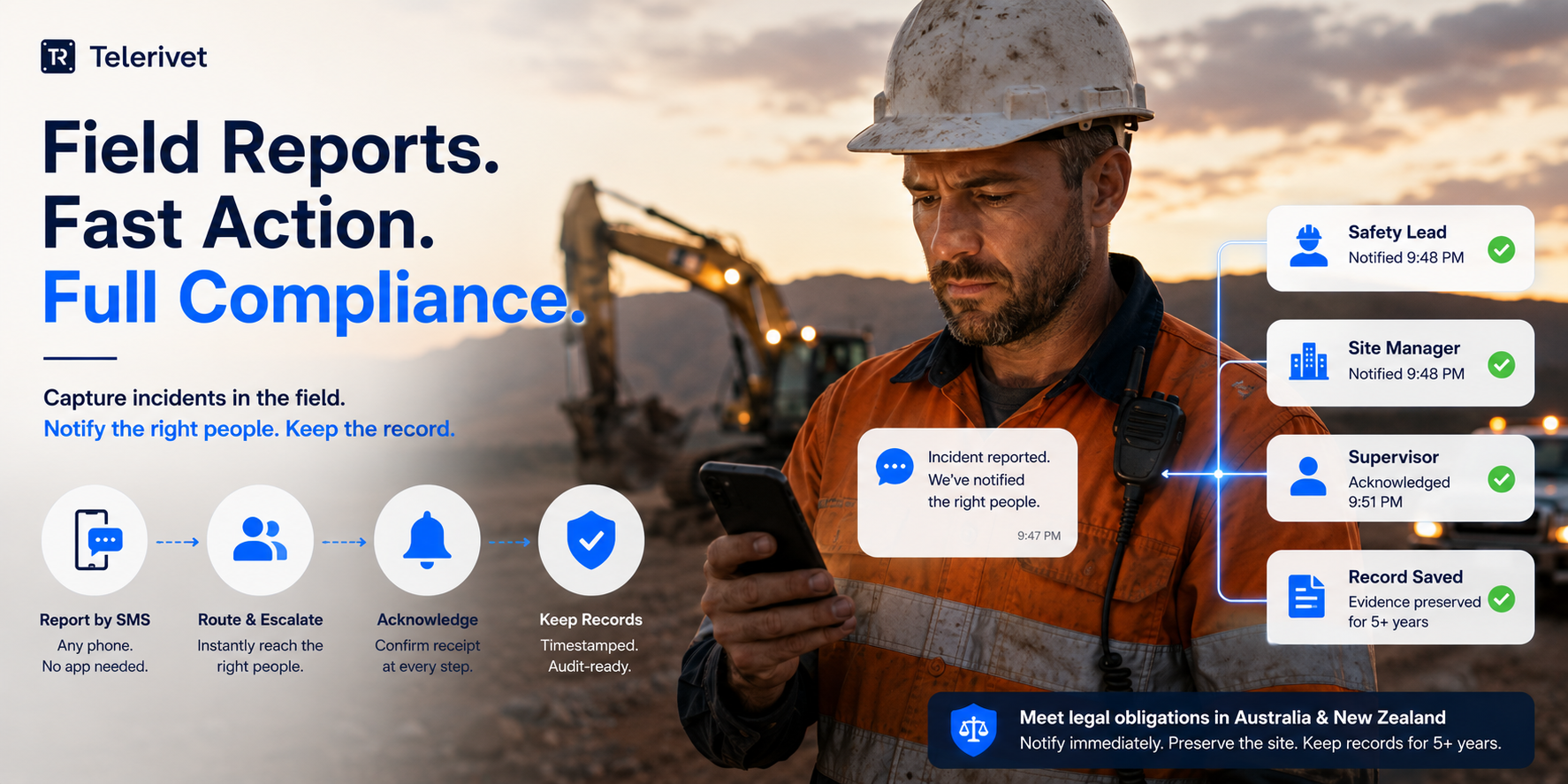
Workplace Incident Reporting in Australia and New Zealand: The Worker's Side of the Record
Jul 17, 2026
A worker is injured at a remote site on a Friday night. Their crewmate calls a supervisor, who is off shift. The supervisor texts the site manager in the morning. The site manager mentions it to the safety lead on Monday. Somewhere in that chain, a legal clock has been running the whole time, because in Australia and New Zealand the duty to notify the regulator starts the moment the business becomes aware of the incident. Awareness travels exactly as fast as your reporting channel.
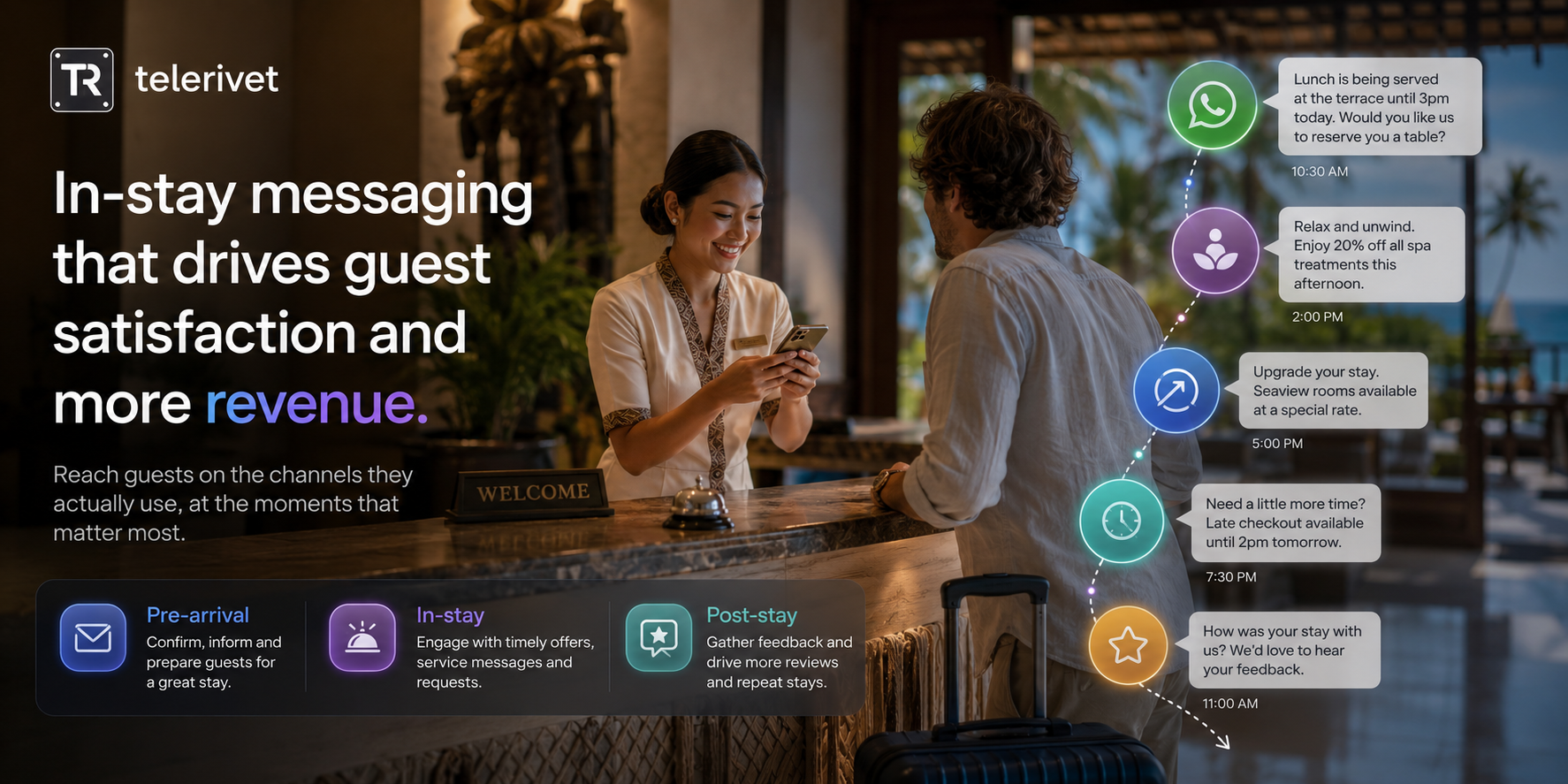
The In-Stay Revenue Opportunity Independent Hotels in Africa and Southeast Asia Are Leaving on the Table
Jul 13, 2026
In-stay messaging refers to automated or semi-automated communication sent to guests while they are on the property. For independent and boutique hotels, in-stay messages typically cover food and beverage promotions, spa and activity offers, and late checkout upsells. WhatsApp is the most effective channel for in-stay communication in Southeast Asia and Sub-Saharan Africa because guests already have it installed and the conversation thread from pre-arrival contact is still open.
A guest checks in at a boutique resort in Bohol. Or a business hotel in Nairobi. Or a heritage property in Penang. They drop their bags, connect to WiFi, and for the next two or three days they are on your property - captive, willing to spend, and entirely unreachable unless they walk up to the front desk..
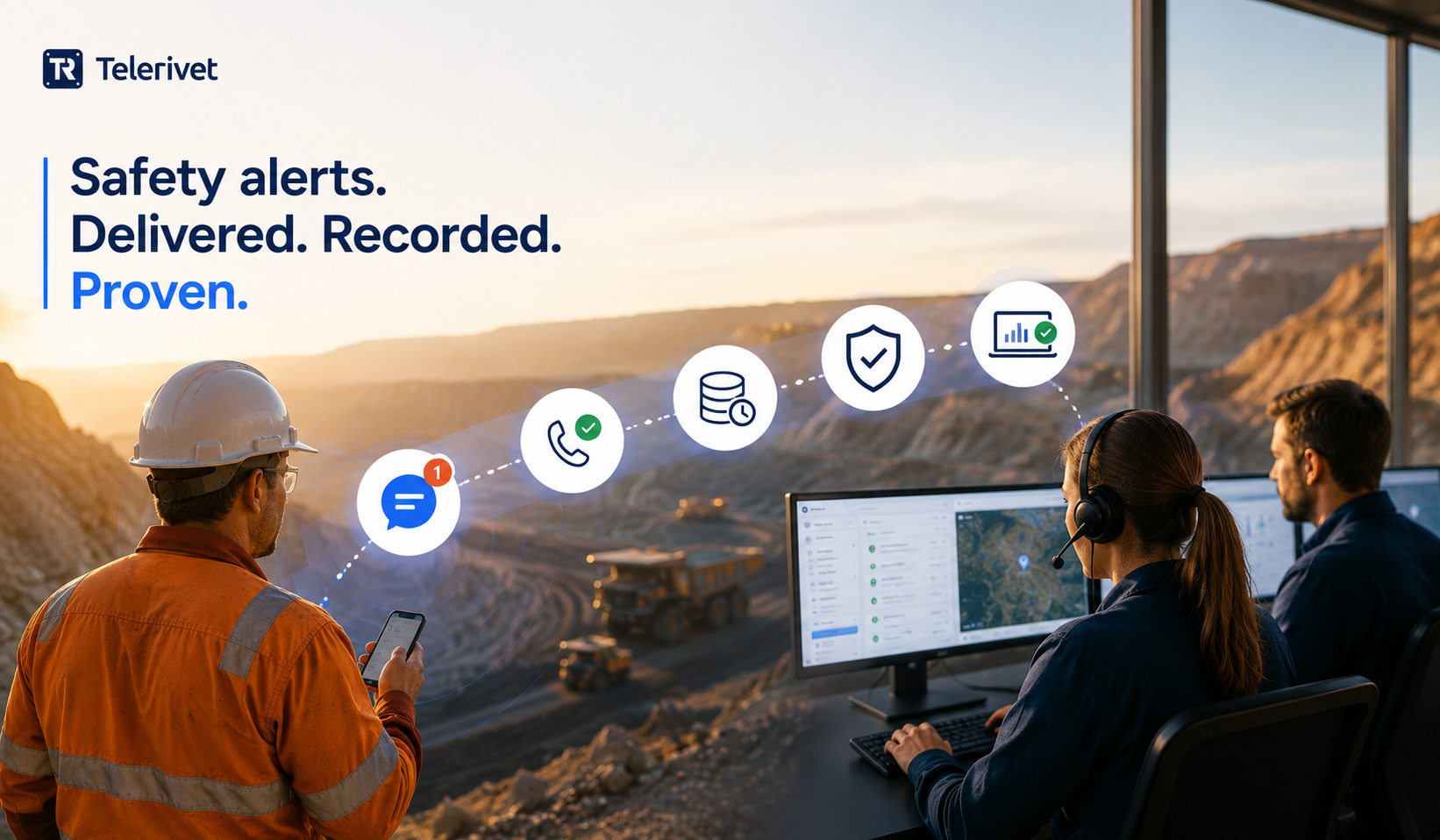
Delivered Is Not the Same as Received: The Case for Acknowledgment-Based Alerting
Jul 11, 2026
Every operations lead has lived this conversation. The alert went out. The dashboard shows delivered. And the driver, the field tech, the miner or the borrower says, with complete sincerity, that they never got the message. Both sides are telling the truth, because "delivered" and "received" describe two different events, and the gap between them is where incidents, missed payments, and failed audits live.
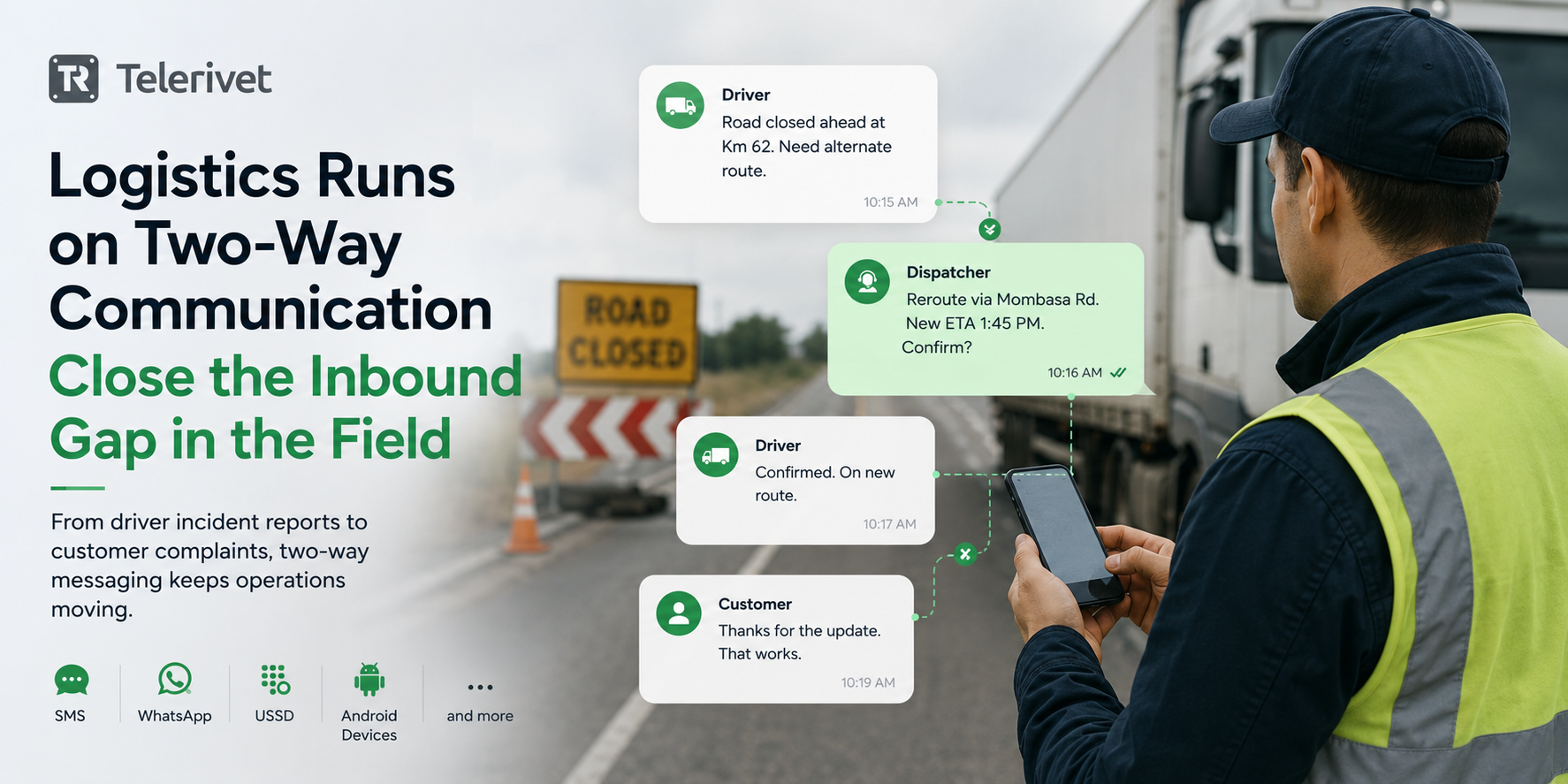
When the Field Needs to Reach You: Inbound Communication for Logistics Operations
Jul 10, 2026
Inbound communication in logistics is the system that handles messages originating from drivers, agents, and field personnel, exception reports, route change requests, delivery confirmations, and status updates, and routes them to the right person or automated workflow in real time. Most logistics communication systems are designed for outbound: dispatch instructions go out to drivers, delivery windows go out to customers. The inbound half, what happens when the field needs to reach the center, is the part that breaks under operational pressure..