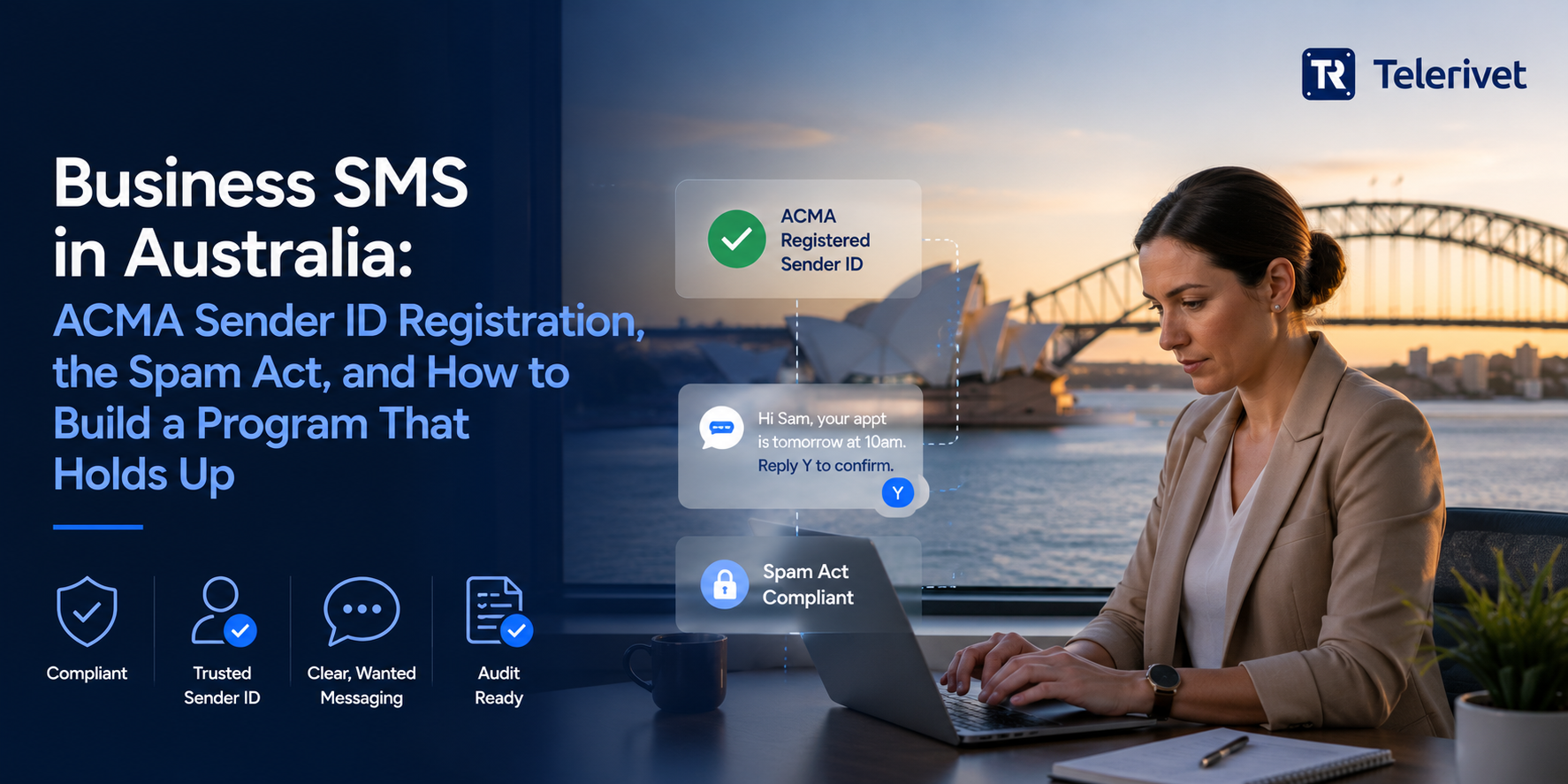
From 1 July 2026, the Australian Communications and Media Authority's SMS Sender ID Register is live and in enforcement. If your organization sends SMS using a branded sender name, and that name is not registered, recipients are seeing the word "Unverified" where your business name should be. Their phone is grouping your message alongside other unregistered senders. Your delivery rate may hold, but your open rate and your customers' trust in what you send will not.
SMS (2)
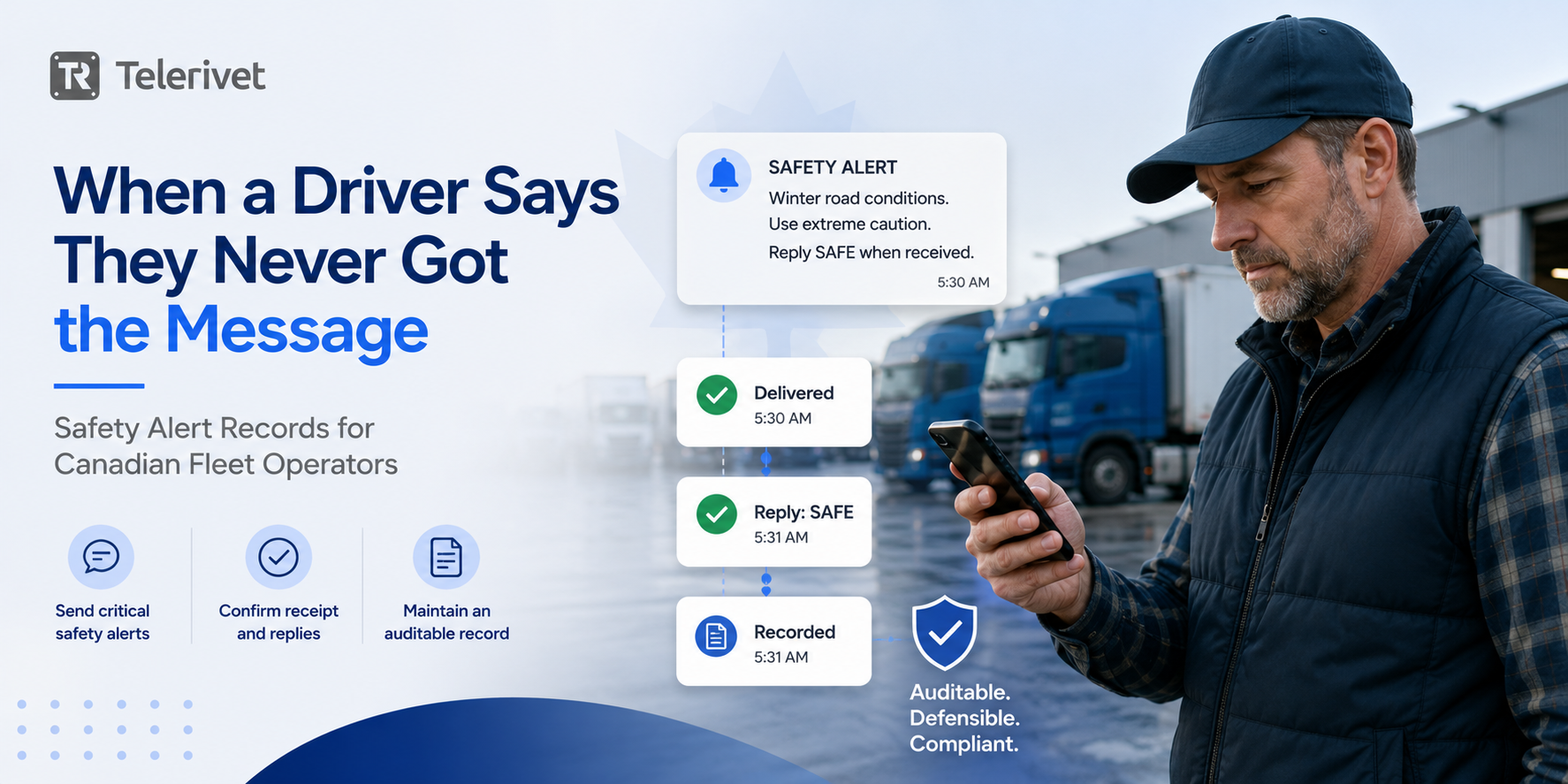
When a Driver Says They Never Got the Message: Safety Alert Records for Canadian Fleet Operators
Jul 2, 2026
It is 5:30 a.m. A dispatcher sends a route condition update to a group chat on their personal phone. Fifteen drivers are in that group. Some are already on the road. Some have not left the terminal. At least two have the chat on mute.
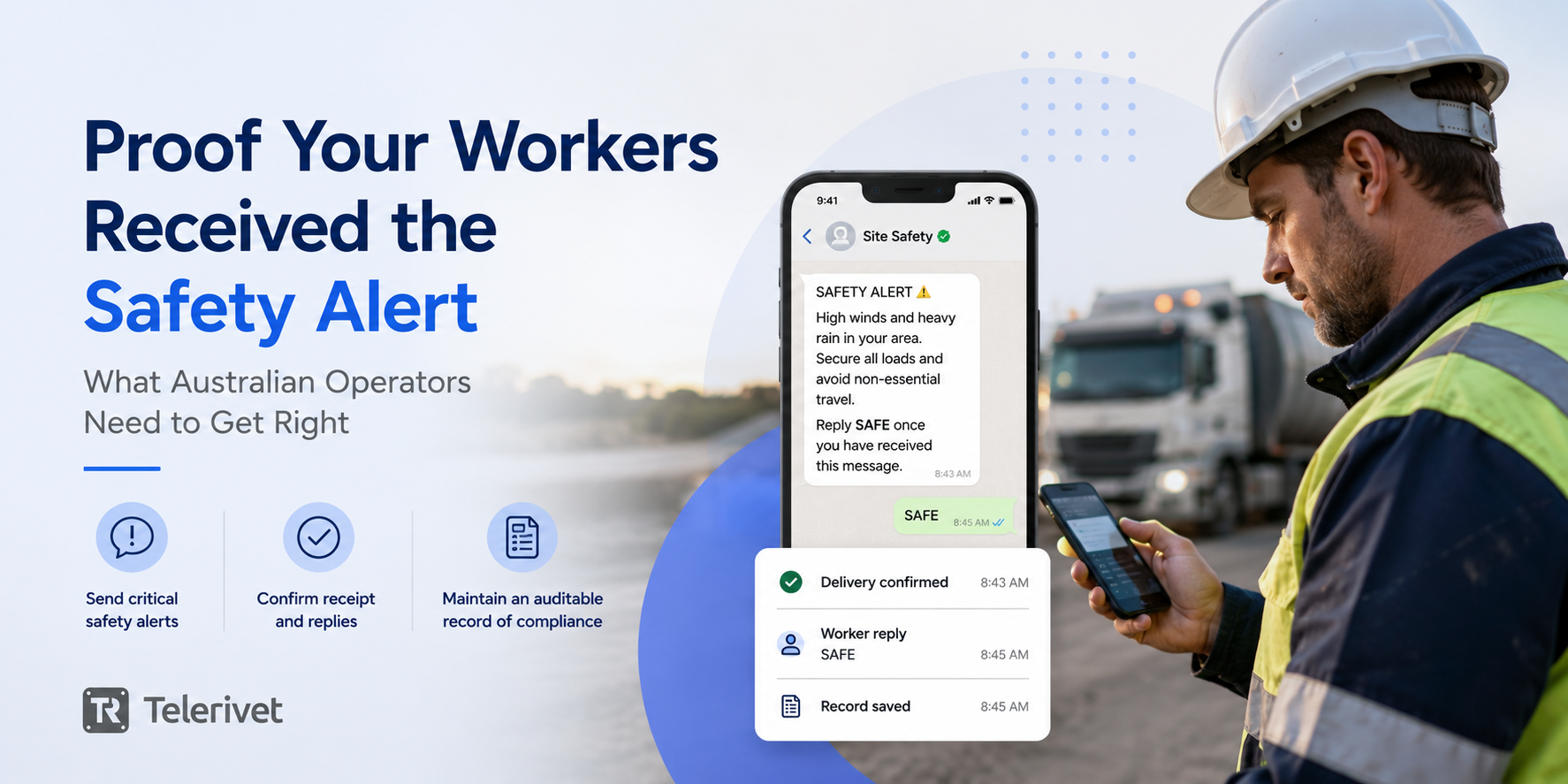
Proof Your Workers Received the Safety Alert: What Australian Operators Need to Get Right
Jun 26, 2026
Something happened at one of your sites. An investigator is sitting across from you and they want to know whether the relevant workers were notified before the incident. You tell them your Safety Manager sent a text. The investigator asks to see the record.
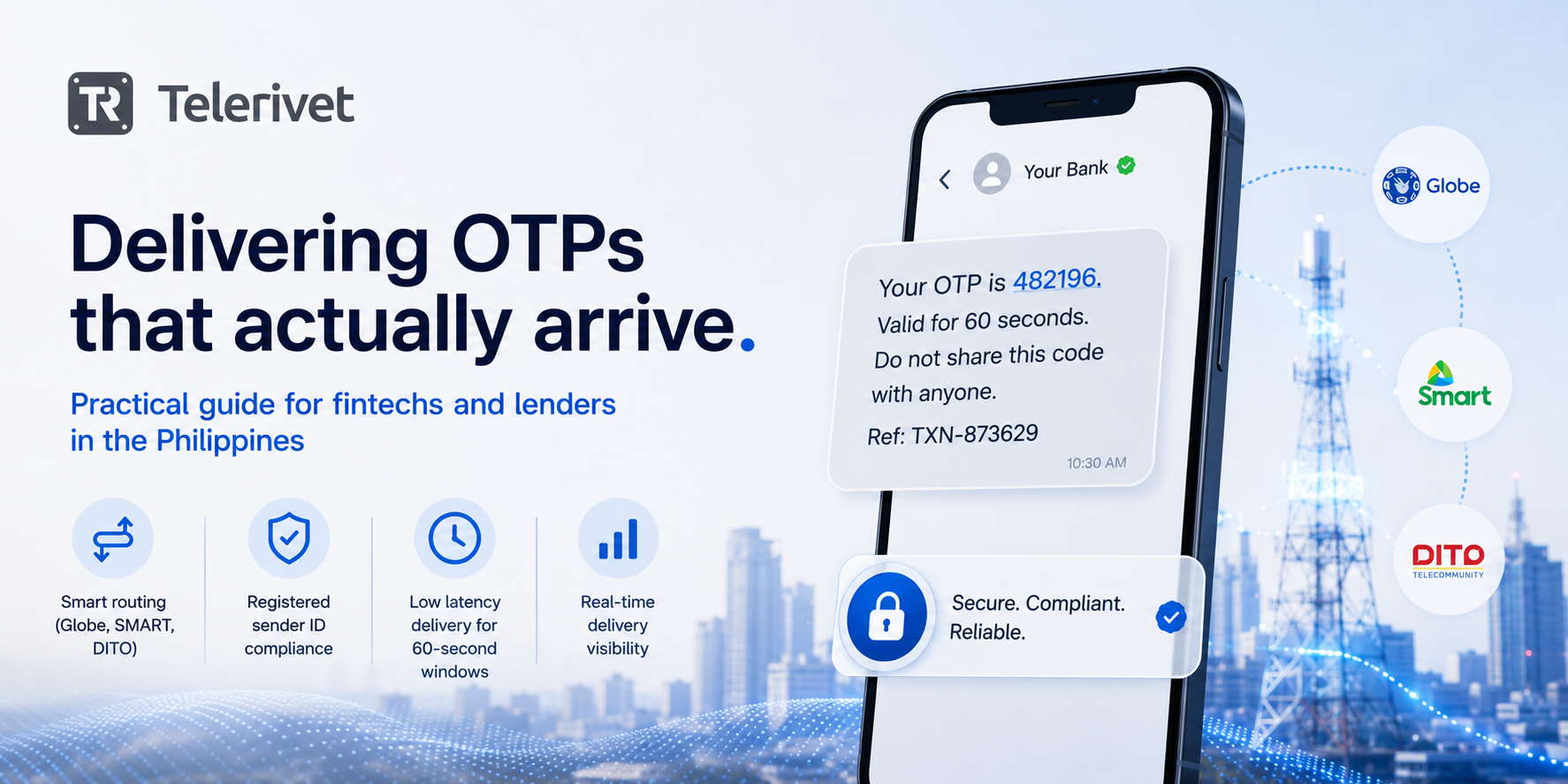
OTP and Transactional SMS in the Philippines: What Banks, Lenders, and Fintechs Need to Know
Jun 21, 2026
Transactional SMS in the Philippines refers to automated, triggered messages sent to an individual recipient as a direct result of an action they have taken: a login attempt, a transaction confirmation, a disbursement alert, or a payment notification, as distinct from promotional or marketing messages sent to a contact list. The distinction matters because transactional SMS is routed differently by Philippine telcos, priced differently, and regulated differently by the Bangko Sentral ng Pilipinas, especially with Circular 1213 in the picture now..
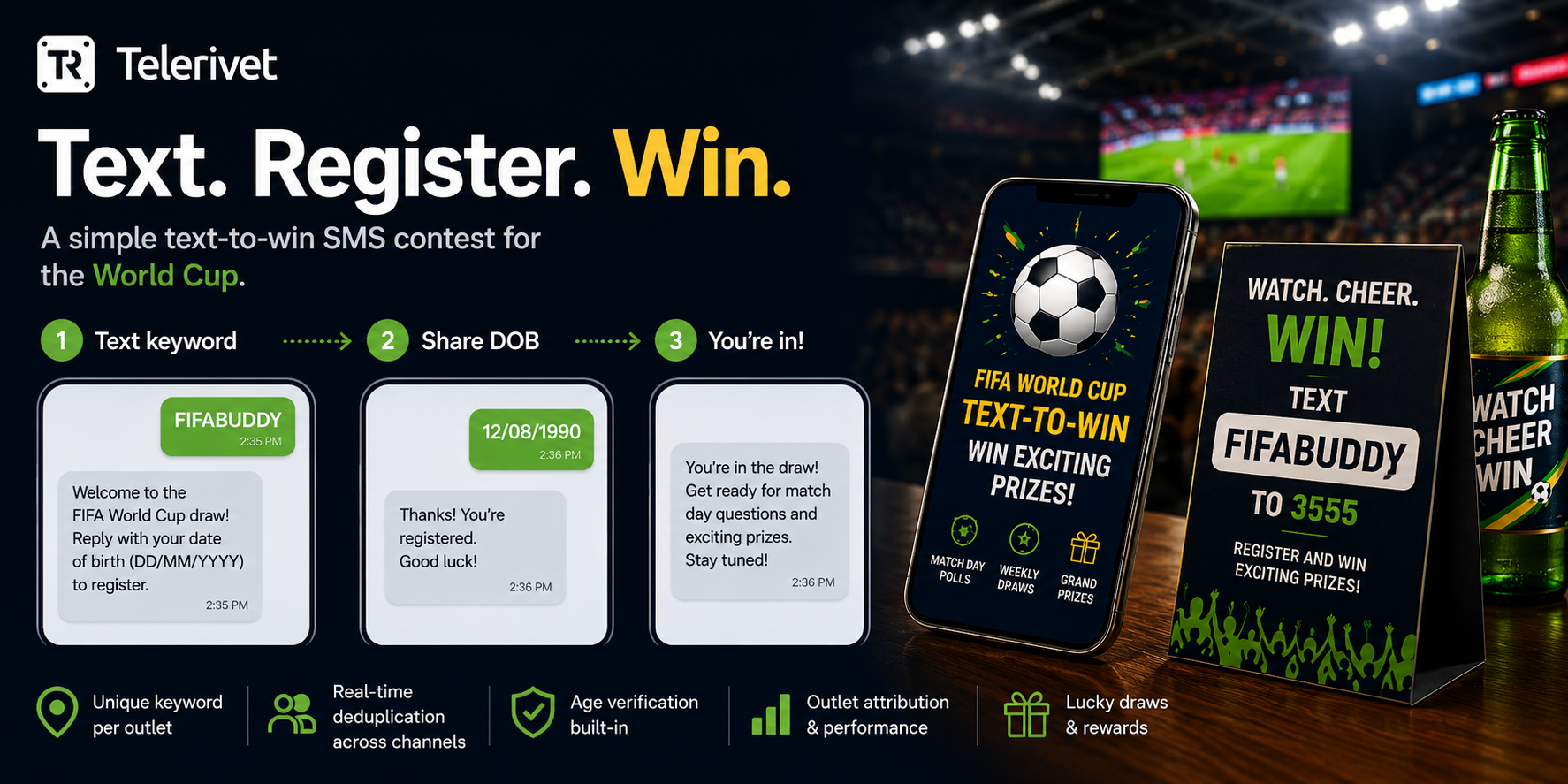
The World Cup Is On. Here's How to Run a Text-to-Win SMS Contest Before the Final Whistle.
Jun 20, 2026
A text-to-win SMS contest is a consumer promotion where participants register by sending a keyword to a number, are entered into a prize draw, and receive match-linked engagement messages until winners are announced. The entire interaction happens over SMS, with no app download, no form to fill out, and no internet connection needed at the point of entry.
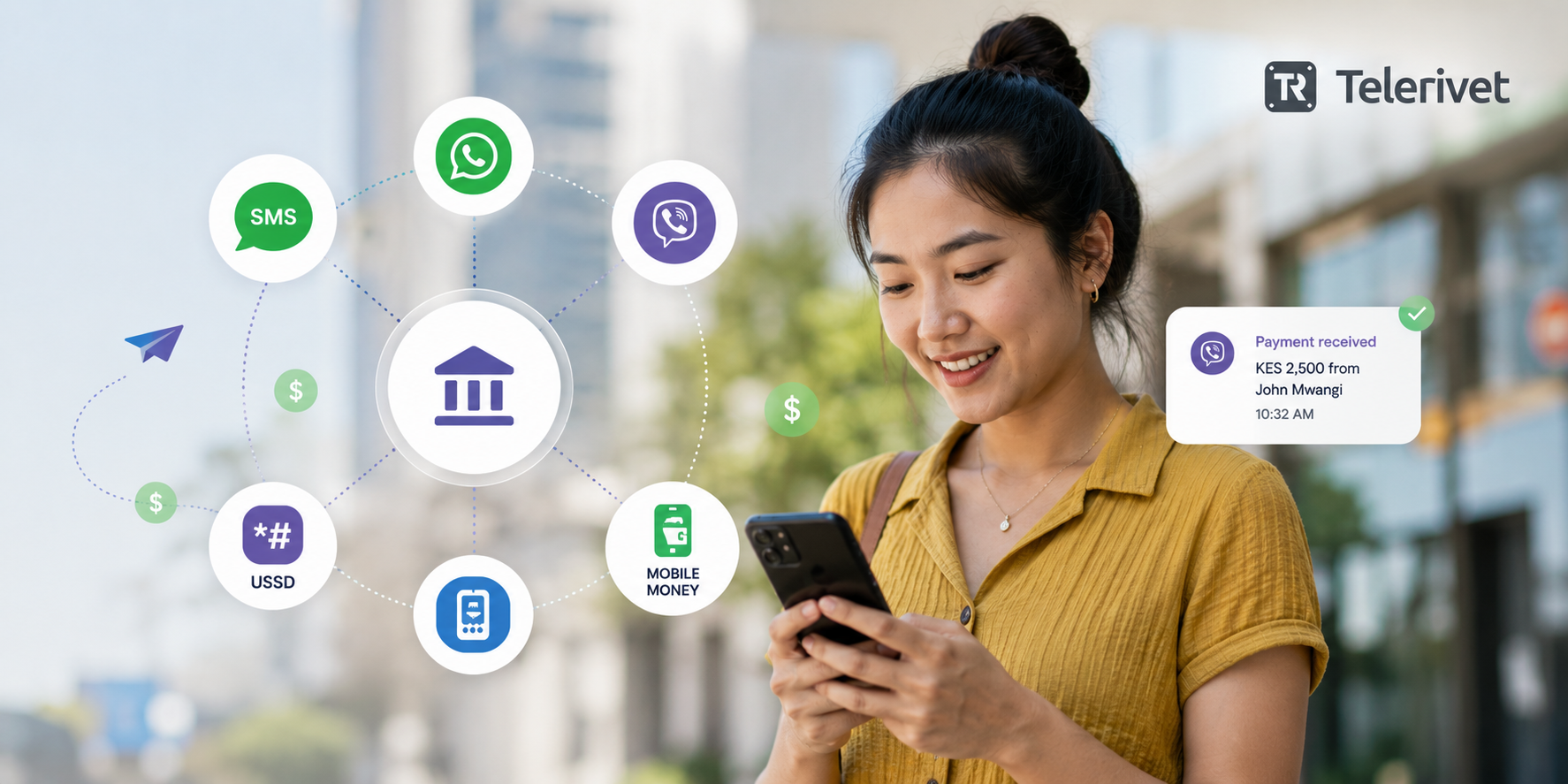
How Digital Lenders, Mobile Money Operators, and Insurers Communicate With Customers at Scale
Jun 19, 2026
Digital lenders, mobile money operators, microfinance institutions, and insurers operating across Africa, Southeast Asia and other global markets share a common communication challenge: their customers are not a uniform population. Some have smartphones and mobile data. Many use feature phones. Some are in areas with consistent network coverage. Others are not. Building a customer communication system that reaches all of them, reliably, at scale, across multiple products and markets, requires different decisions than a communication setup built for a connected, smartphone-first customer base..
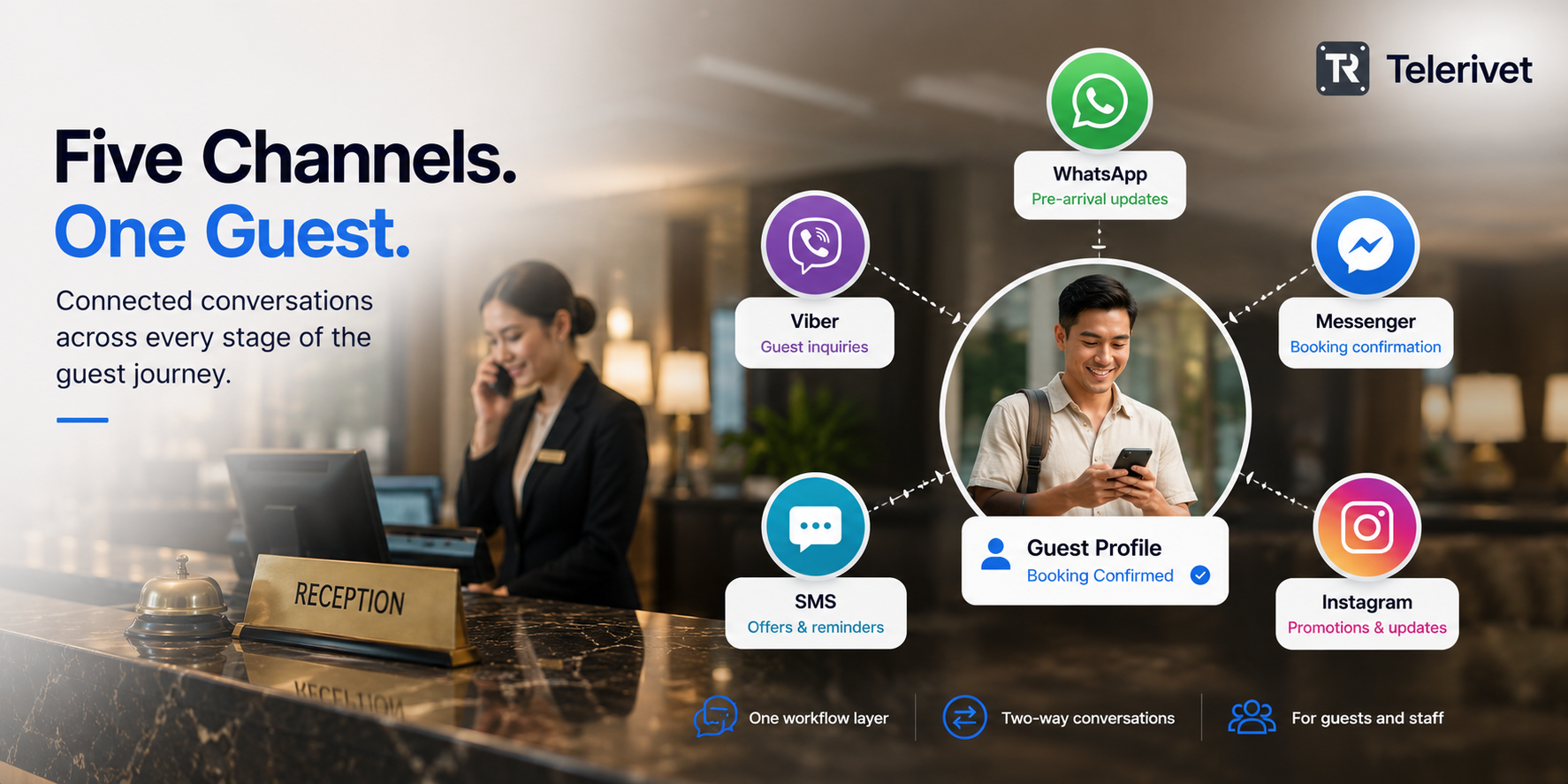
Your Guests Are on Five Channels. Your Workflows Are on None.
Jun 17, 2026
Hotel guest messaging refers to the automated and manual communication between a property and its guests across channels including WhatsApp, Viber, SMS, Instagram, Facebook Messenger. Effective hotel guest messaging connects these channels to a shared workflow layer so that booking events, modifications, and guest requests trigger coordinated communication across staff and guests simultaneously, rather than being handled manually on separate devices..
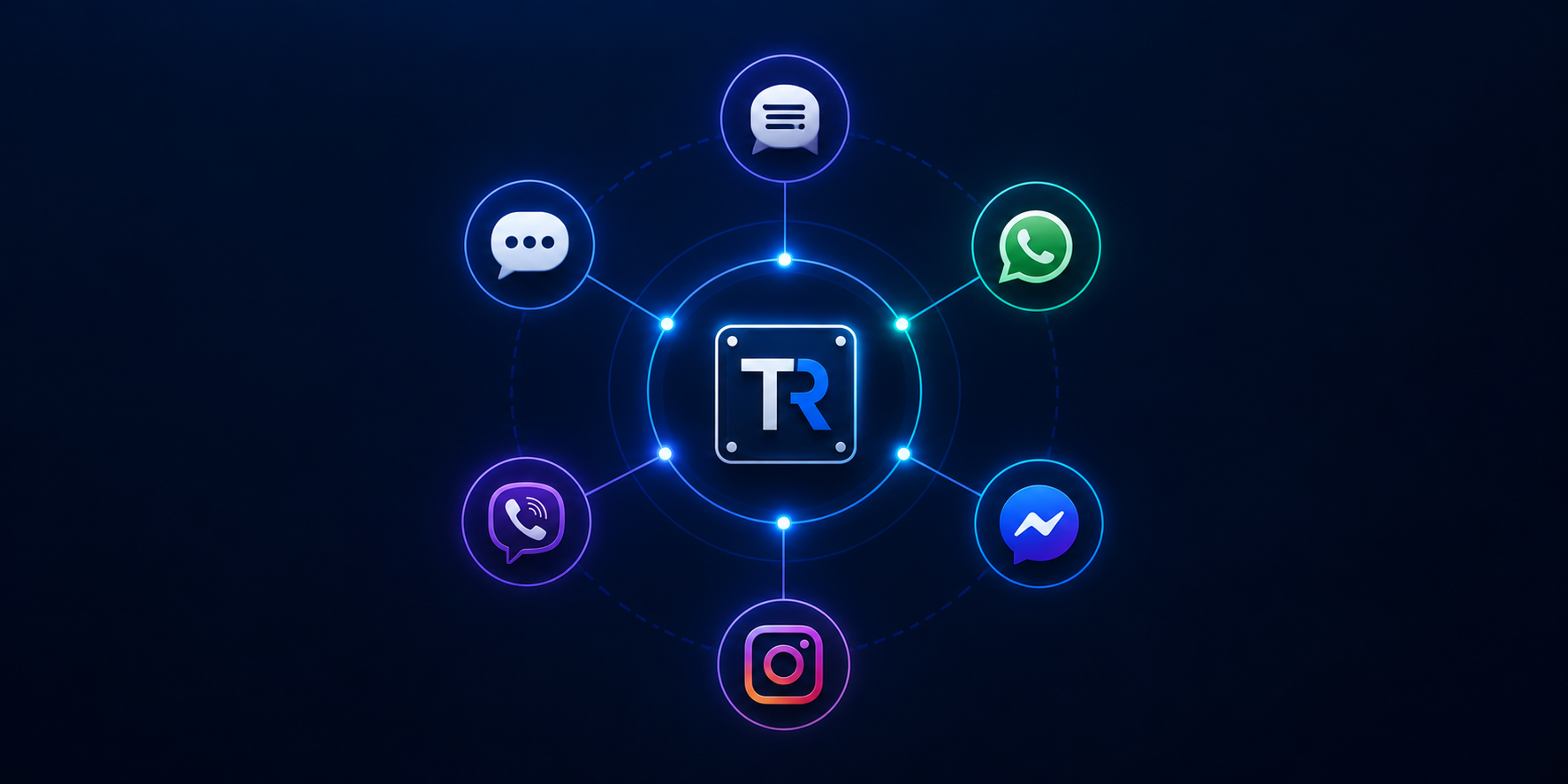
What Is Bring Your Own Connectivity? How BYOC Works in Is Bring Your Own Connectivity? How BYOC Works in Telerivet
Jun 12, 2026
Most messaging platforms sell you two things bundled together: a way to manage and automate your communications, and the routes those communications travel on. The bundling is usually invisible until you try to untangle it.
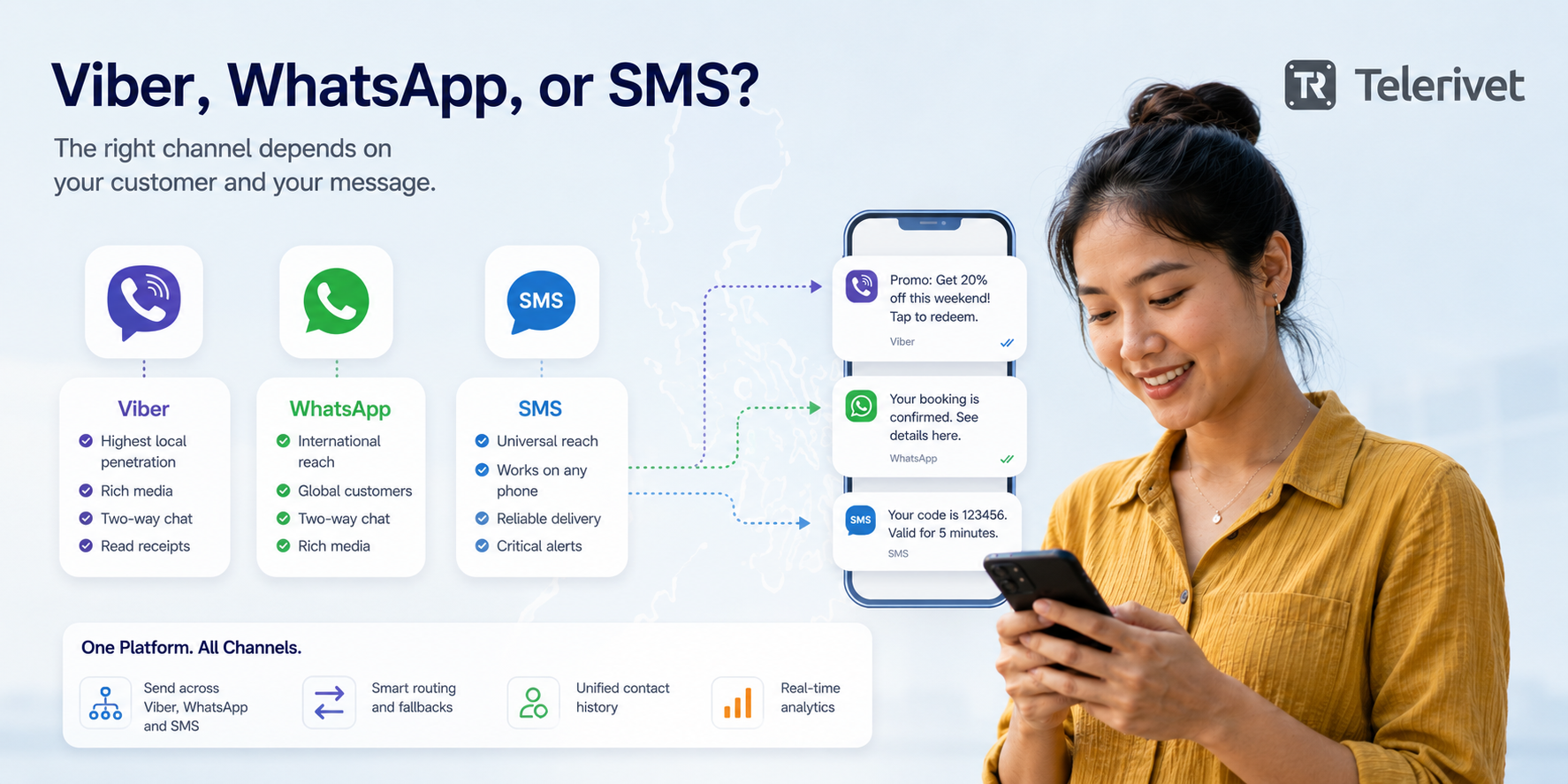
Viber, WhatsApp, or SMS? A Channel Guide for Philippine Businesses
Jun 7, 2026
The right answer to which channel a Philippine business should use is: it depends on who you are reaching, what kind of message you are sending, and what happens if that message does not get through. This guide covers the practical differences between Viber, WhatsApp, and SMS in the Philippine context, and explains why most businesses end up running all three.
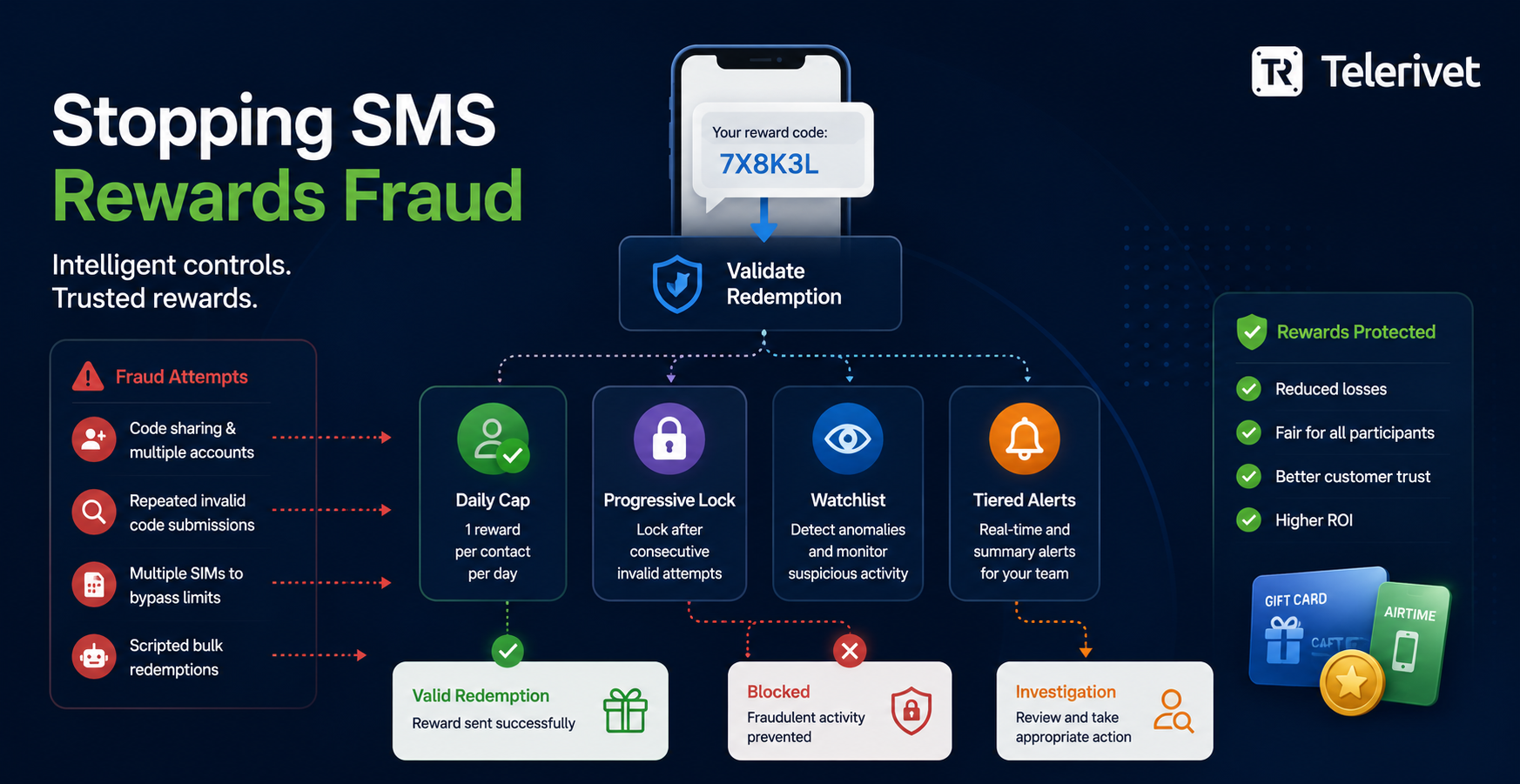
How to Protect an SMS Rewards Program From Abuse Without a Fraud Platform
Jun 5, 2026
SMS rewards program fraud is the systematic exploitation of a consumer promotion by participants using code sharing, multiple accounts, scripted bulk redemptions, or coordinated abuse to claim rewards beyond the program's intended limits. Every organization that runs a consumer rewards program via SMS creates this abuse surface the moment the first message goes out. Most discover it after the damage is done.
Business SMS in the UK: PECR, the B2B Exemption, and What the DUAA 2025 Changed
May 29, 2026
There is a compliance assumption embedded in most UK business SMS programs that the law does not support. It goes like this: we are messaging businesses, not consumers, so the stricter consent rules do not apply to us. For some recipients that is correct. For a meaningful portion of any commercial contact list, including sole traders, certain partnerships, and individuals at corporate addresses, it is wrong in ways that now carry penalties of up to £17.5 million.