The Netherlands made a deliberate choice in 2021 that most EU markets have not made. Where most countries operating under the ePrivacy Directive chose to maintain a national do-not-call registry alongside opt-out rights, the Netherlands abolished its Bel-me-niet Register entirely and replaced its opt-out telemarketing model with a mandatory opt-in. For SMS marketing, explicit consent has long been the standard under GDPR and the Dutch Telecommunications Act. The registry is gone, and the obligation to document consent before sending applies regardless of channel.
SMS (3)
Business SMS in Germany: UWG, the Double Opt-In Requirement, and Why a Single Message Can Trigger Legal Action
May 25, 2026
Every other market in this compliance series treats non-compliant marketing SMS as a regulatory matter: the regulator investigates, the regulator fines. Germany has an additional mechanism that most markets do not. Under the Gesetz gegen den unlauteren Wettbewerb, Germany's Act Against Unfair Competition, competitors can bring their own legal action against organizations sending marketing messages without valid consent. An unsolicited marketing SMS may trigger an Abmahnung, a formal cease-and-desist letter from a competing business, with associated legal costs and an injunction demand that must be resolved before the next campaign runs. Regulators are not the only enforcement risk. Competitors are.
Business SMS in Japan: MIC Compliance, the URL Prohibition
May 20, 2026
Every market in this compliance series allows URLs in SMS messages. Japan does not. Japan's major carriers commonly filter or block standard SMS containing URLs on many A2P routes as part of anti-phishing measures. A message with a link to a landing page, a ticket confirmation, a tracking update, or any other web address will generally not be delivered to Japanese recipients through standard SMS channels. This single restriction, with no equivalent in any other market covered in this series, reshapes every program that was designed anywhere else and then extended to Japan without adjustment.
Sending SMS in Indonesia: Kominfo Registration, UU PDP, and Why Grey Routes Are Getting Shut Down
May 15, 2026
Indonesia has one of the highest A2P SMS fraud rates in Southeast Asia. That is not a background detail. It is the reason why Kominfo, Indonesia's Ministry of Communication and Digital Affairs, works alongside the country's mobile operators to actively filter, block, and shut down traffic that does not run through approved channels. If your SMS program in Indonesia is delivering today but has not been registered properly, it is operating on borrowed time.
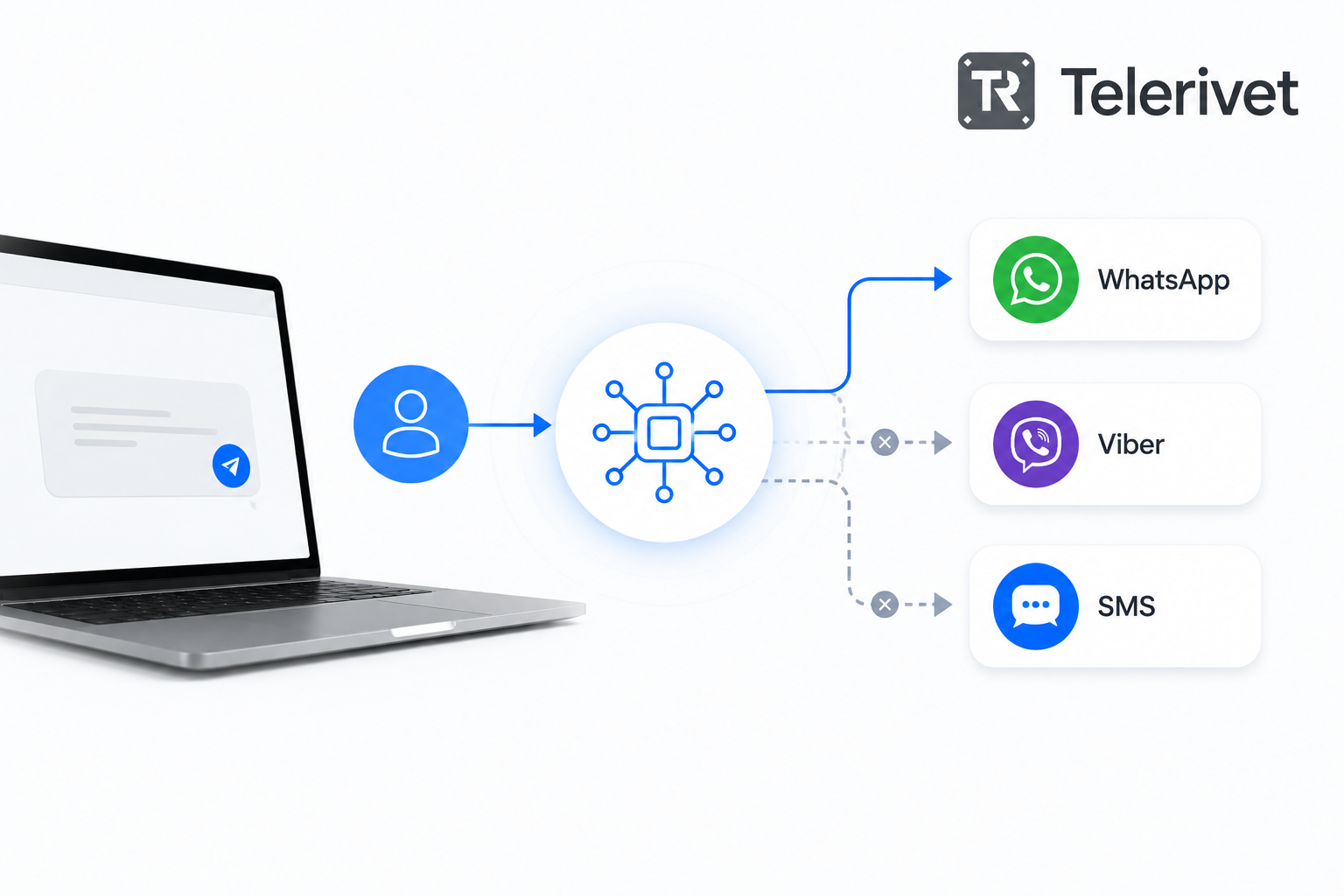
You Have a Backup Channel. That's Not the Same as a Channel Strategy.
May 11, 2026
How multichannel fallback becomes a routing layer that optimizes for cost, experience, and reliability simultaneously
Channel strategy is usually treated as a setup decision. You evaluate your markets, pick a primary channel, configure a backup, and move on.
For many organizations, that works until it doesn't.
Business SMS in Mexico: IFT, REPEP, and Why Your Brand Name Will Not Appear
May 7, 2026
Most international teams configuring an SMS program for Mexico expect to register a sender name, just as they did in the UK, Australia, Nigeria, or Kenya. They go through the process, choose a branded sender ID, and get their first message out. The message arrives. The recipient sees a short code, not the brand name. In Mexico, this is not a deliverability problem. It is how the system works for everyone.
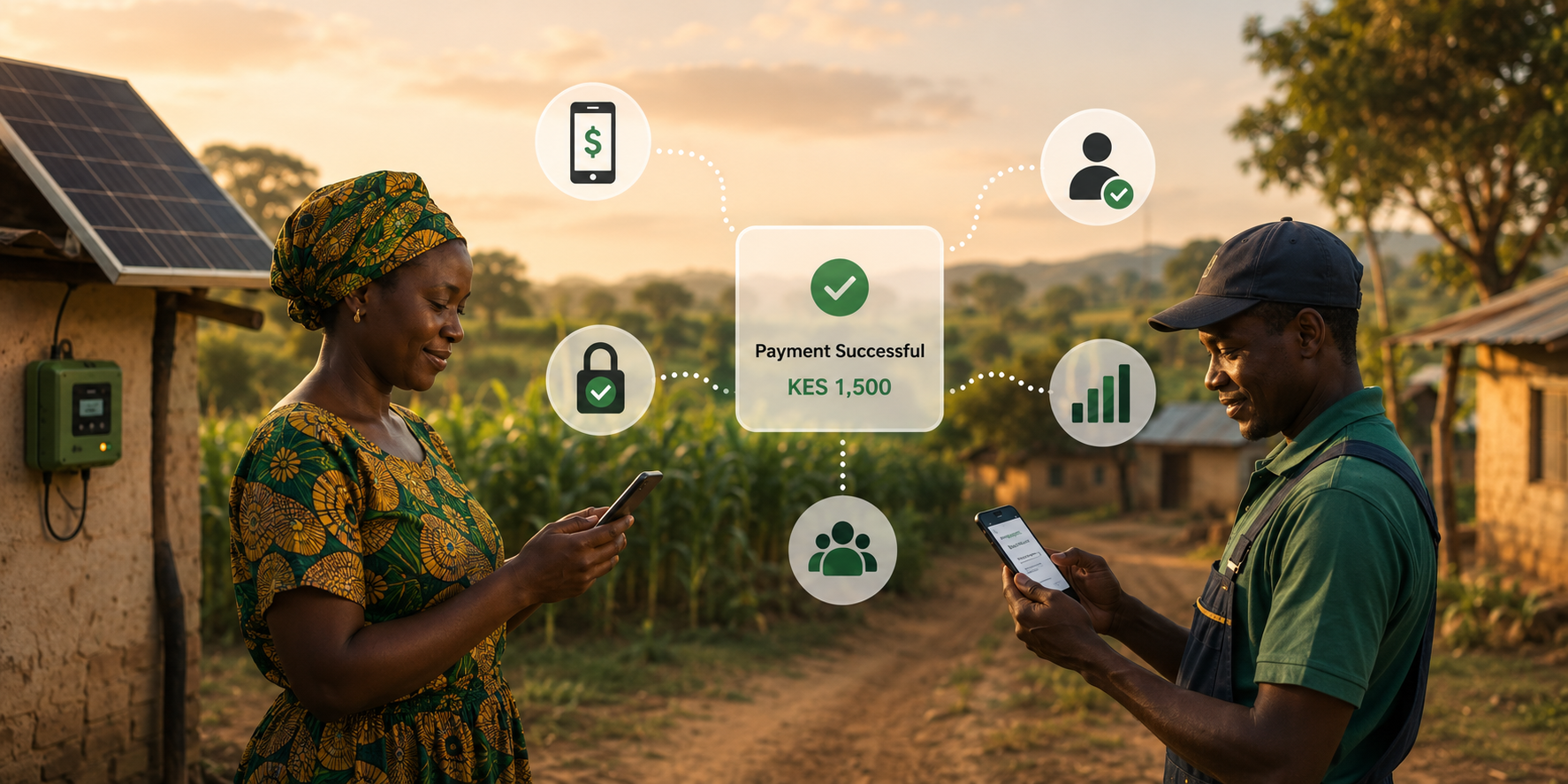
How PAYGo Solar and Agricultural Finance Operators Use SMS as Operational Infrastructure
May 4, 2026
PAYGo (pay-as-you-go) solar and agricultural finance operators use SMS to automate the connection between a customer payment and the service it unlocks. When a mobile money payment arrives, an SMS workflow parses the transaction, updates the account status, sends a confirmation to the customer, and in some cases dispatches a field agent if the account requires manual intervention. This runs automatically across thousands of accounts in real time. The SMS layer is not a communication add-on, it is what makes the business model operationally viable at scale..
Sending SMS in Uganda: UCC Registration, the DPPA, and What Changed in 2025
Apr 28, 2026
On July 10, 2025, Uganda's Personal Data Protection Office secured the country's first criminal conviction under the Data Protection and Privacy Act 2019. The case involved a digital lending company whose director had used a borrower's personal data, name, photograph, and phone number, to create a threatening video circulated on WhatsApp. The director was convicted for operating without PDPO registration and for processing personal data without consent. The fine was modest. The precedent is not. The PDPO's acting director was explicit: this conviction is the beginning of assertive enforcement, not an isolated case.

Why Field Force Communication Breaks Down at Scale and What to Do About It
Apr 22, 2026
Field force communication is the system a business uses to coordinate between a central operations team and distributed field agents covering task assignment, check-ins, status updates, and exception reporting. At small scale, a group chat and a spreadsheet are sufficient. At 100+ agents, the absence of structured message routing, automated check-ins, and response tracking creates coordination failures that cost coverage, visibility, and operational control..
Sending SMS in Nigeria: Sender ID Registration, DND, and Why Messages Silently Fail
Apr 15, 2026
Your SMS program worked in testing. It worked for the first campaign. Then, somewhere between your platform's dashboard and your customers' phones, a growing share of messages started disappearing. No error. No bounce. Your dashboard says sent. Your customers say nothing arrived. If you are messaging into Nigeria, this is not a bug. It is the predictable result of a regulatory system that most teams only learn about after it has already cost them.
Business SMS in Brazil: ANATEL, LGPD, and Building Programs Across Three Time Zones
Apr 13, 2026
Brazil is simultaneously one of the most challenging markets to configure SMS for and one where SMS configuration is often not the right starting point. With approximately 148 million WhatsApp users, Brazil ranks second globally in WhatsApp adoption behind only India, and WhatsApp penetration sits at well over 90% of smartphone users. For many operational programs in Brazil, the channel architecture question comes before the SMS compliance question: which audience segment needs SMS, and which segment is better served through WhatsApp with SMS as the fallback?