This is a pattern that repeats across organizations running communication programs at scale. A decision-maker approves the investment, watches the first two quarters, concludes that the returns are thin, and makes one of two moves: they scale back the program, or they switch vendors and start over. Both moves are the same mistake. Both are stepping off the curve right before it turns.
Global Markets
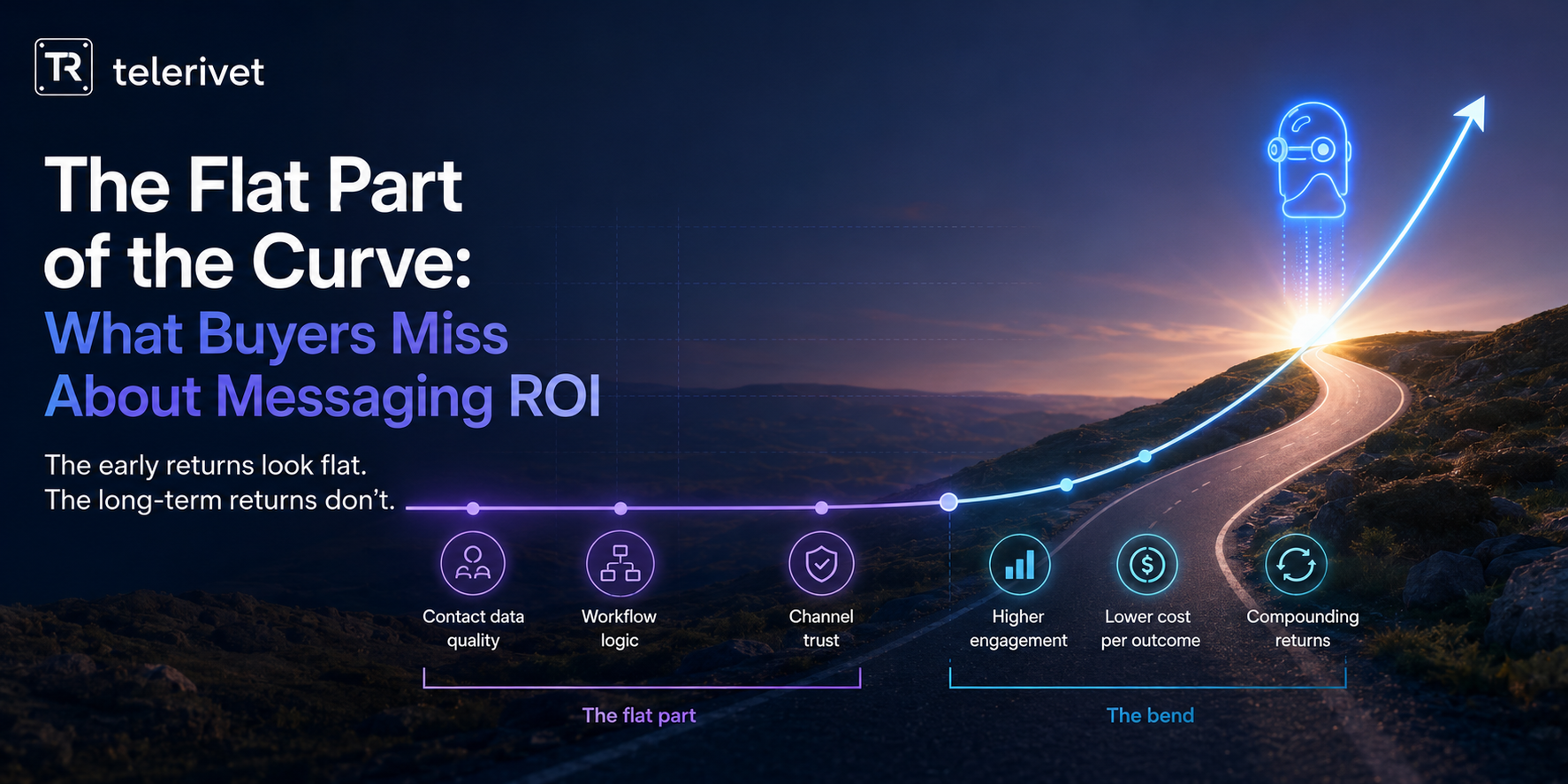
The Flat Part of the Curve: What Buyers Miss About Messaging ROI
Aug 31, 2026
The part almost everyone misses about exponential curves is that for most of their length, they look like nothing is happening. The early stretch of a real compounding curve is nearly flat, indistinguishable from going nowhere.
Business messaging ROI works the same way: a communication program that is building genuine operational value will appear to underperform for months before the returns become visible.
That flatness is exactly why compounders get underestimated, including by themselves, right up until the bend.
Read more »
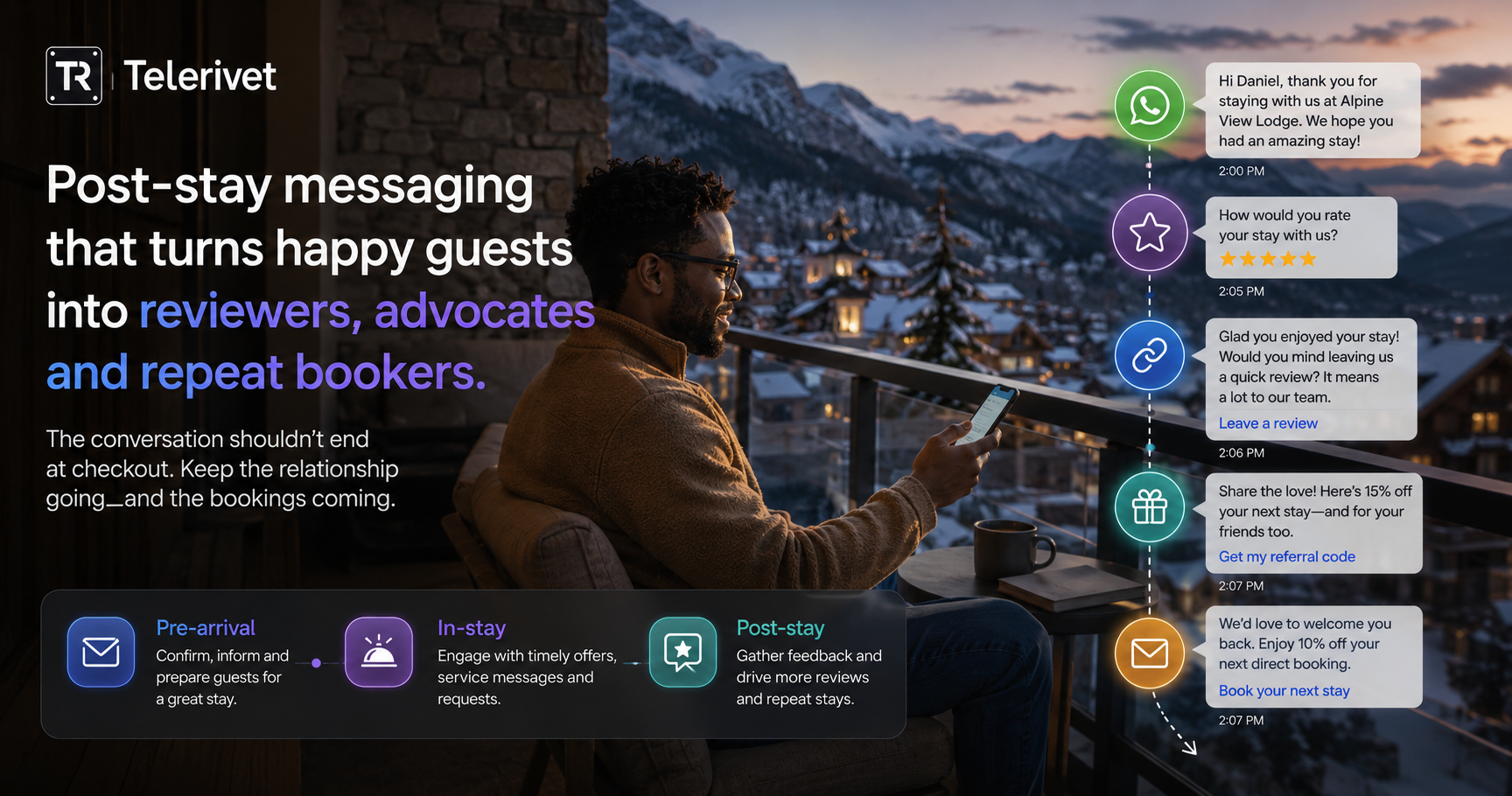
After Checkout: The Post-Stay Messaging Playbook for Boutique and Independent Hotels
Aug 6, 2026
What is post-stay hotel messaging? Post-stay messaging refers to automated communication sent to guests after checkout. For boutique hotels and independent hosts, a post-stay sequence typically includes a satisfaction check, a branching review request that routes positive responses to a public review platform and negative responses to a private resolution path, a referral or discount code, and a re-engagement message ahead of the next booking season. WhatsApp is the most reliable channel for post-stay communication with international guests because it works on WiFi regardless of which SIM the guest is using after returning home.
The guest has checked out. They are in a taxi to the airport, or already at the gate, or back home sorting through their photos. For most boutique hotels, independent resorts, and multi-property Airbnb or Vrbo hosts, this is where the relationship ends. No message goes out. The next communication, if it happens at all, is a generic marketing email weeks later that the guest has already forgotten how to connect to the stay they had..
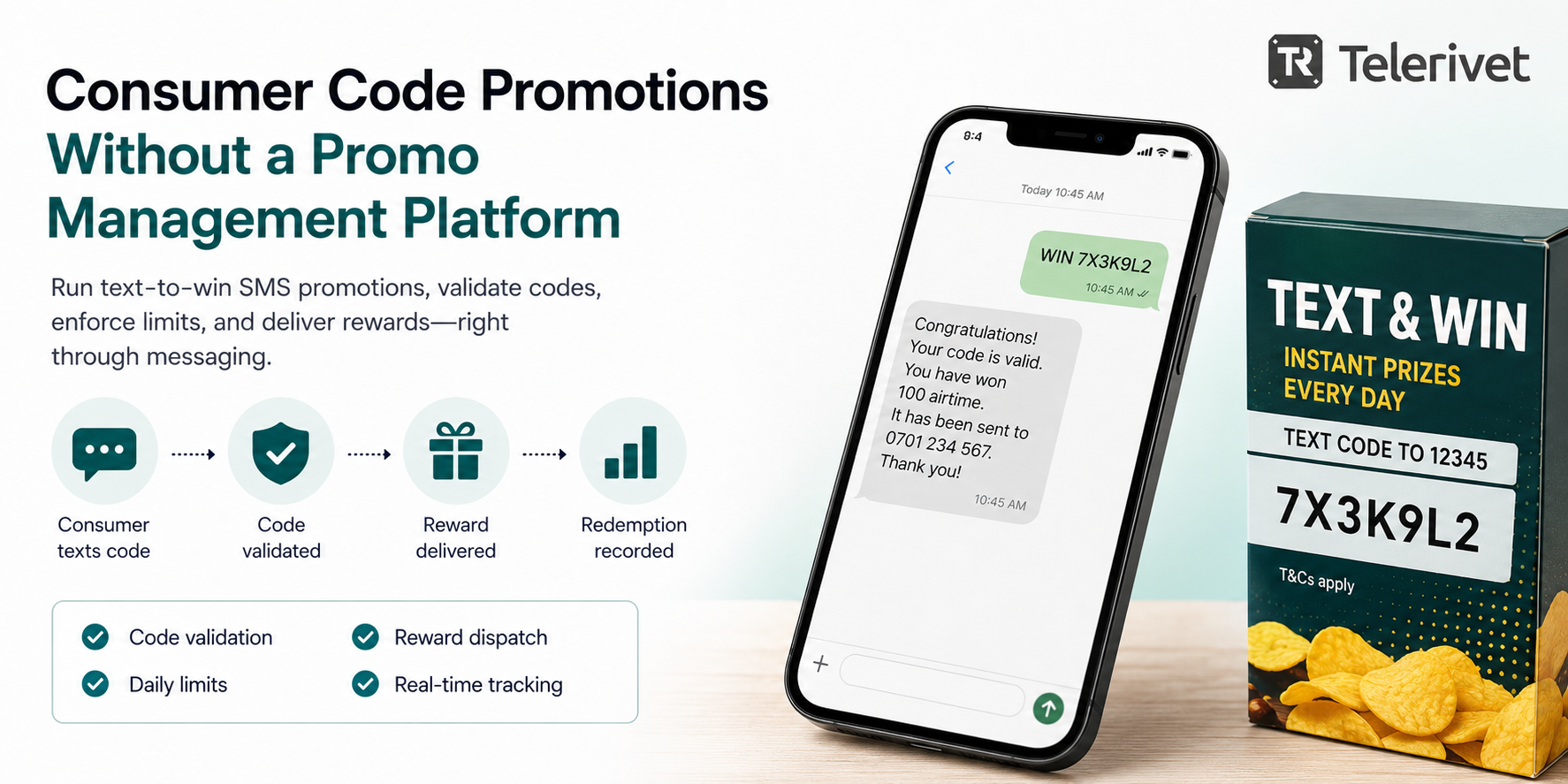
Consumer Code Promotions Without a Promo Management Platform
Aug 1, 2026
A consumer SMS code promotion is a campaign in which customers send a code (found on a product, receipt, or packaging) to a short code or long number via SMS, and receive a reward or response based on the validity and status of that code. Running one without a dedicated promotional management platform requires the same core functions to be handled somewhere: code validation, duplicate and fraud prevention, reward dispatch, and response logic for invalid or expired codes. The question is whether those functions need a standalone platform or whether they can be built into a configurable messaging workflow..

How to Capture and Qualify Leads at an Auto Show via WhatsApp
Jul 28, 2026
WhatsApp lead capture at an auto show is the use of a QR code or short number displayed at a brand stand to initiate a WhatsApp conversation with a visitor, collecting contact details, qualifying interest, and routing the lead to the right follow-up workflow, all without paper forms or manual data entry. The operational advantage is that the lead exists in a structured, actionable format before the visitor has left the floor. The most common alternative, collecting paper forms and entering them manually after the event, loses between 20% and 40% of leads to illegible handwriting, incomplete entries, or delayed follow-up..
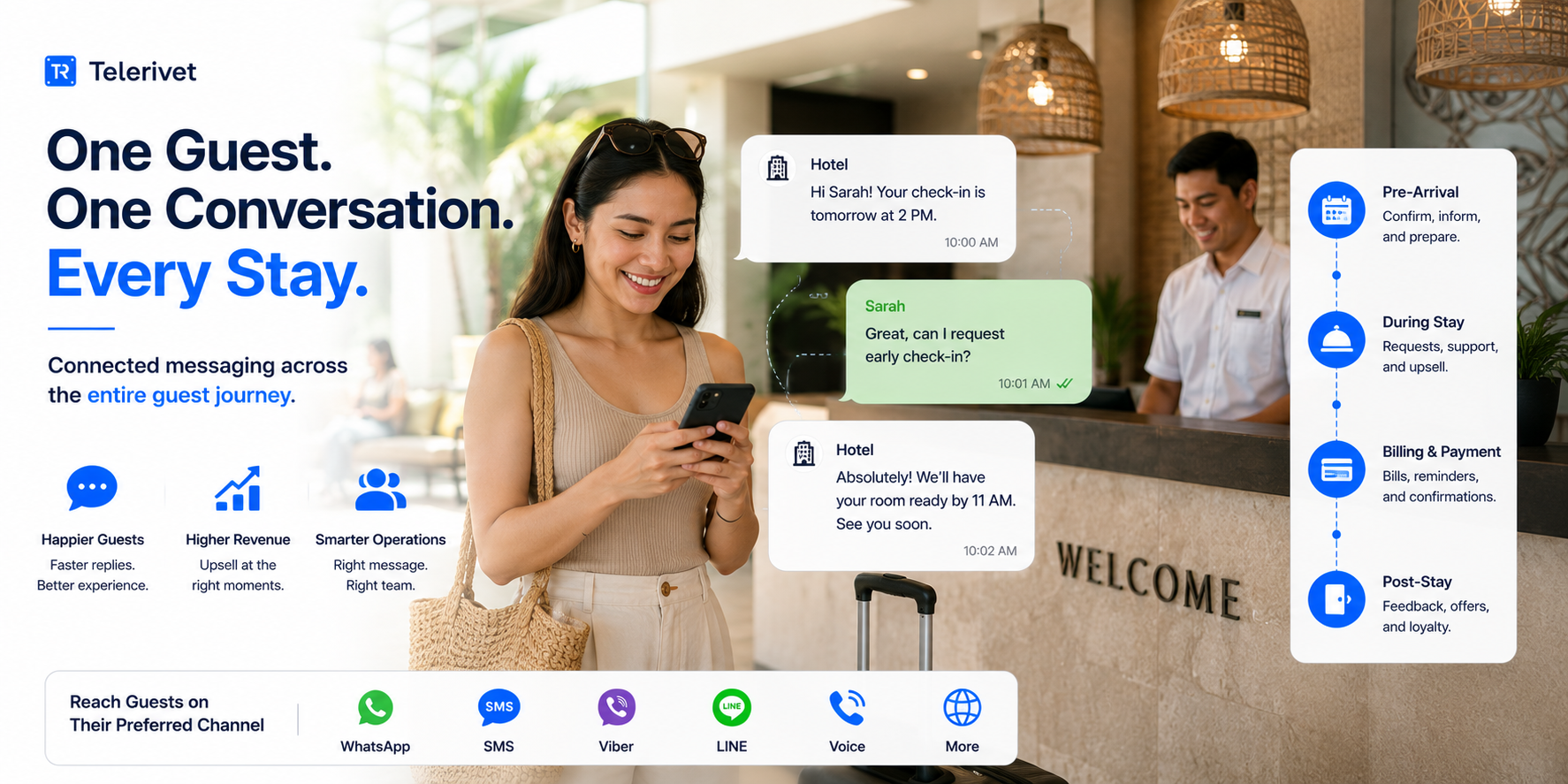
Hotel Guest Messaging: A Practical Guide for Independent and Mid-Market Properties
Jul 25, 2026
The usual setup at a mid-market hotel goes like this: reservations handles WhatsApp inquiries on one number. The front desk manages arrival coordination on another. Housekeeping works through a shared group chat. F&B takes room service requests through a fourth number entirely, saved in the personal phone of whoever is on shift.
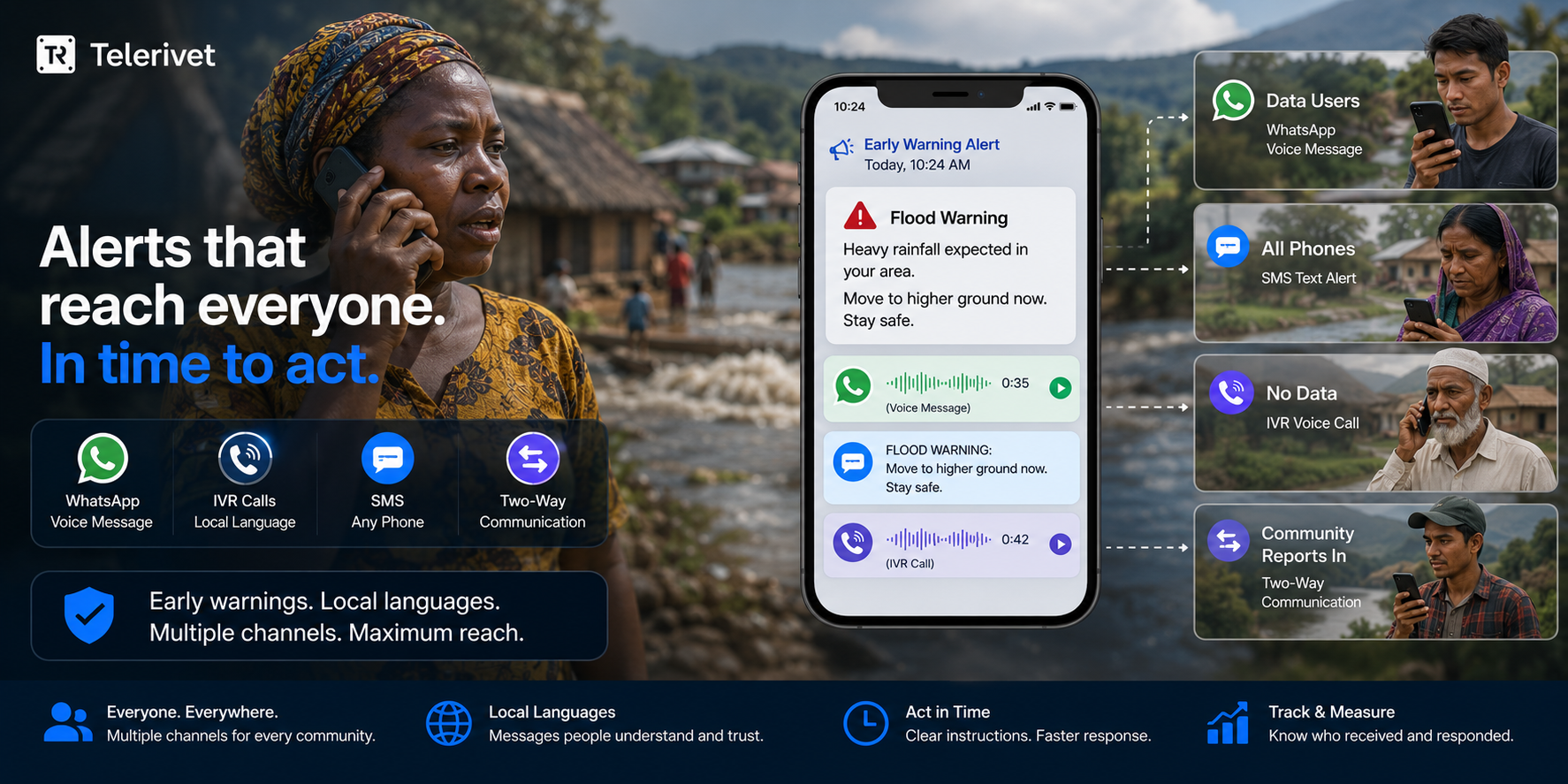
Reaching the People at Risk: How Mobile Communication Closes the Last Mile Gap in Multi-Hazard Early Warning Systems
Jul 22, 2026
An early warning system (EWS) that successfully alerts a dispatch team but fails to reach the community at risk has not completed its job. In disaster risk reduction (DRR) practice, the difference between a warning sent and a warning received, understood, and acted upon is often where lives are lost.
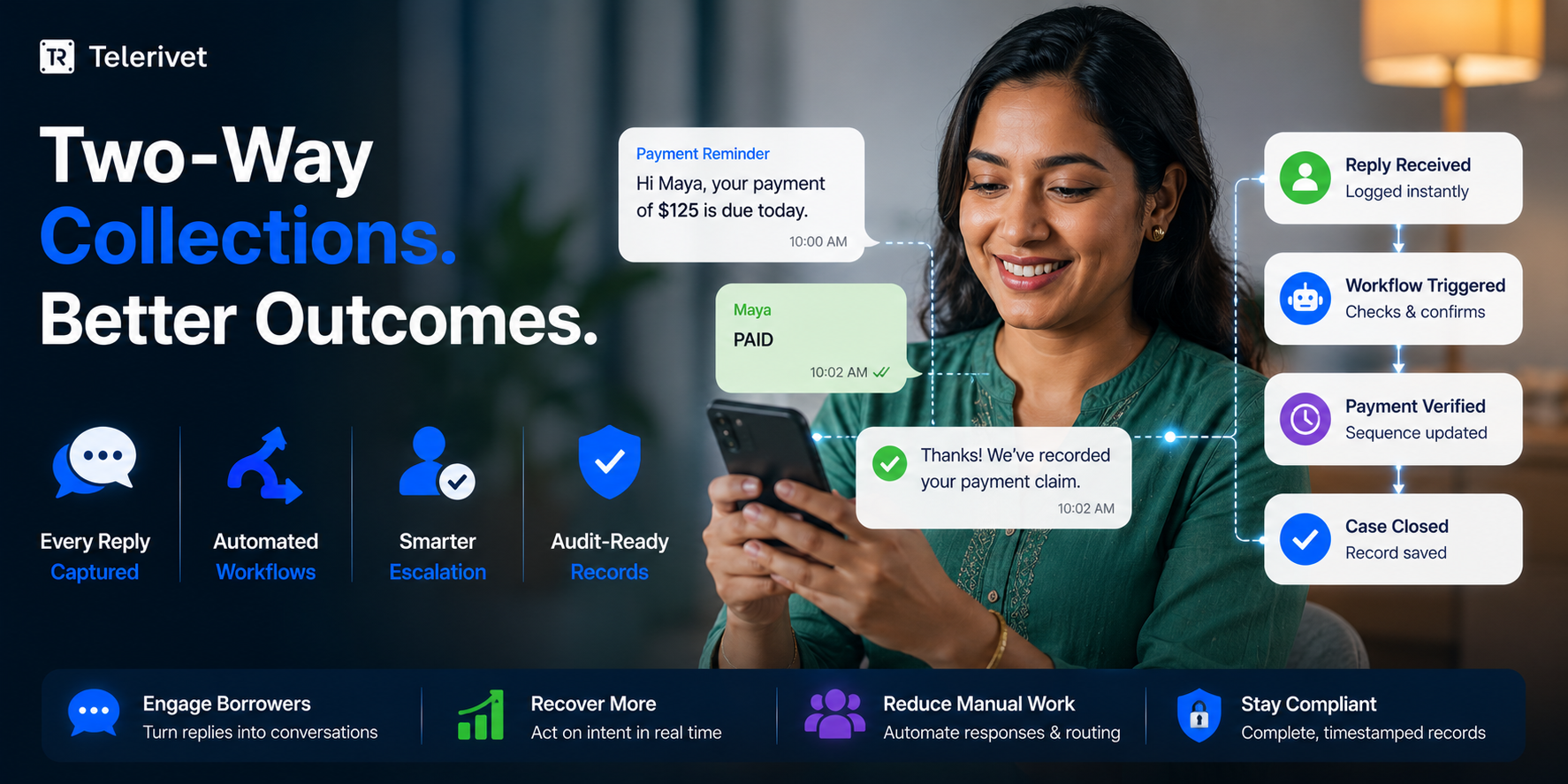
Beyond the Reminder: How Two-Way Messaging Changes the Collections Conversation
Jul 19, 2026
There is a specific moment when a lending operation discovers the ceiling of its messaging setup. It is not a deliverability failure. The reminders go out on time, at volume, month after month. The moment comes when a borrower replies to one of those reminders and nothing happens, because nothing was ever built to happen. We are seeing this play out right now with high-volume lenders sending millions of messages a month through providers they are otherwise satisfied with. They are not leaving because messages fail to arrive. They are leaving because the conversation only goes one direction.
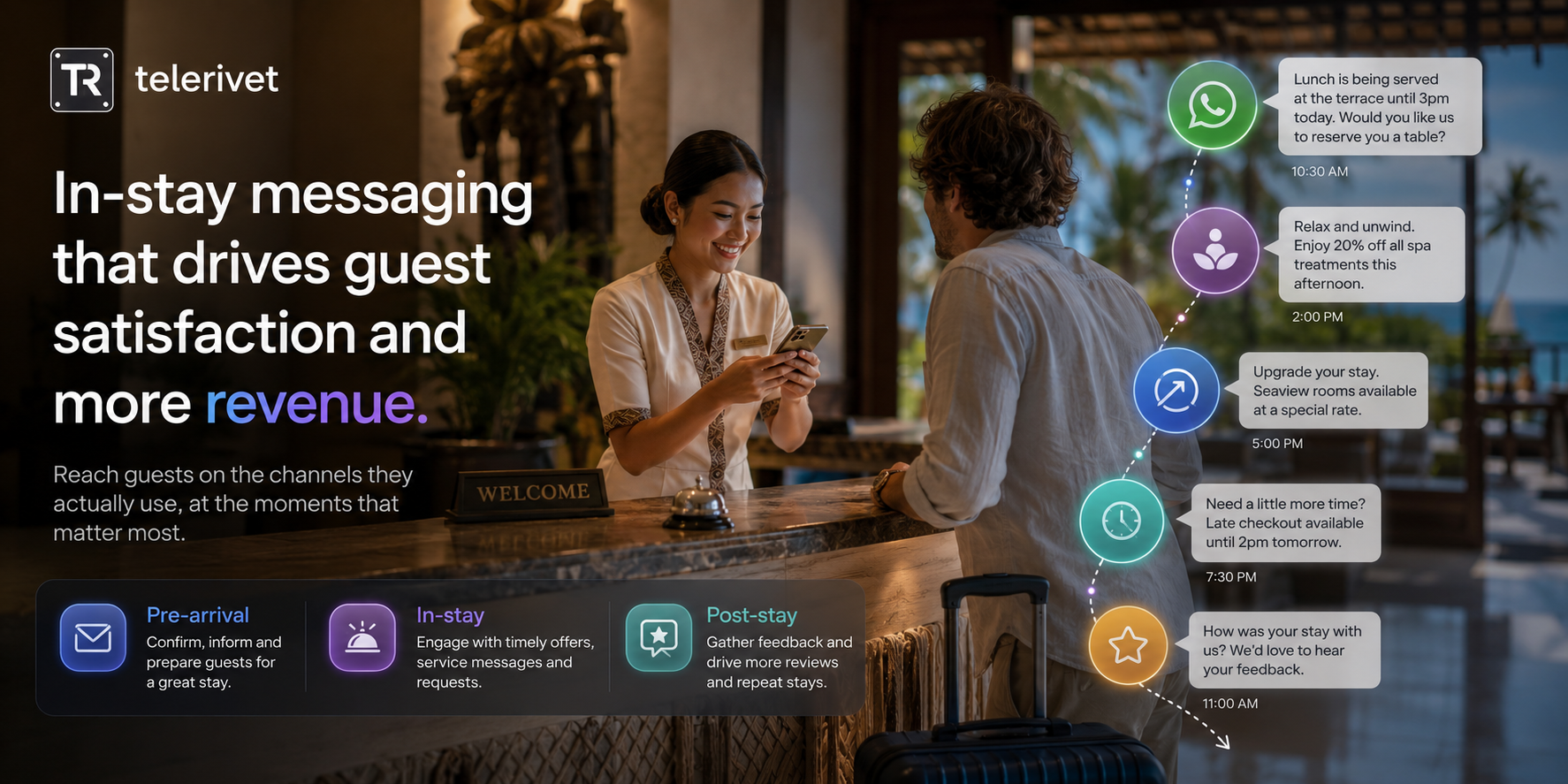
The In-Stay Revenue Opportunity Independent Hotels in Africa and Southeast Asia Are Leaving on the Table
Jul 13, 2026
In-stay messaging refers to automated or semi-automated communication sent to guests while they are on the property. For independent and boutique hotels, in-stay messages typically cover food and beverage promotions, spa and activity offers, and late checkout upsells. WhatsApp is the most effective channel for in-stay communication in Southeast Asia and Sub-Saharan Africa because guests already have it installed and the conversation thread from pre-arrival contact is still open.
A guest checks in at a boutique resort in Bohol. Or a business hotel in Nairobi. Or a heritage property in Penang. They drop their bags, connect to WiFi, and for the next two or three days they are on your property - captive, willing to spend, and entirely unreachable unless they walk up to the front desk..
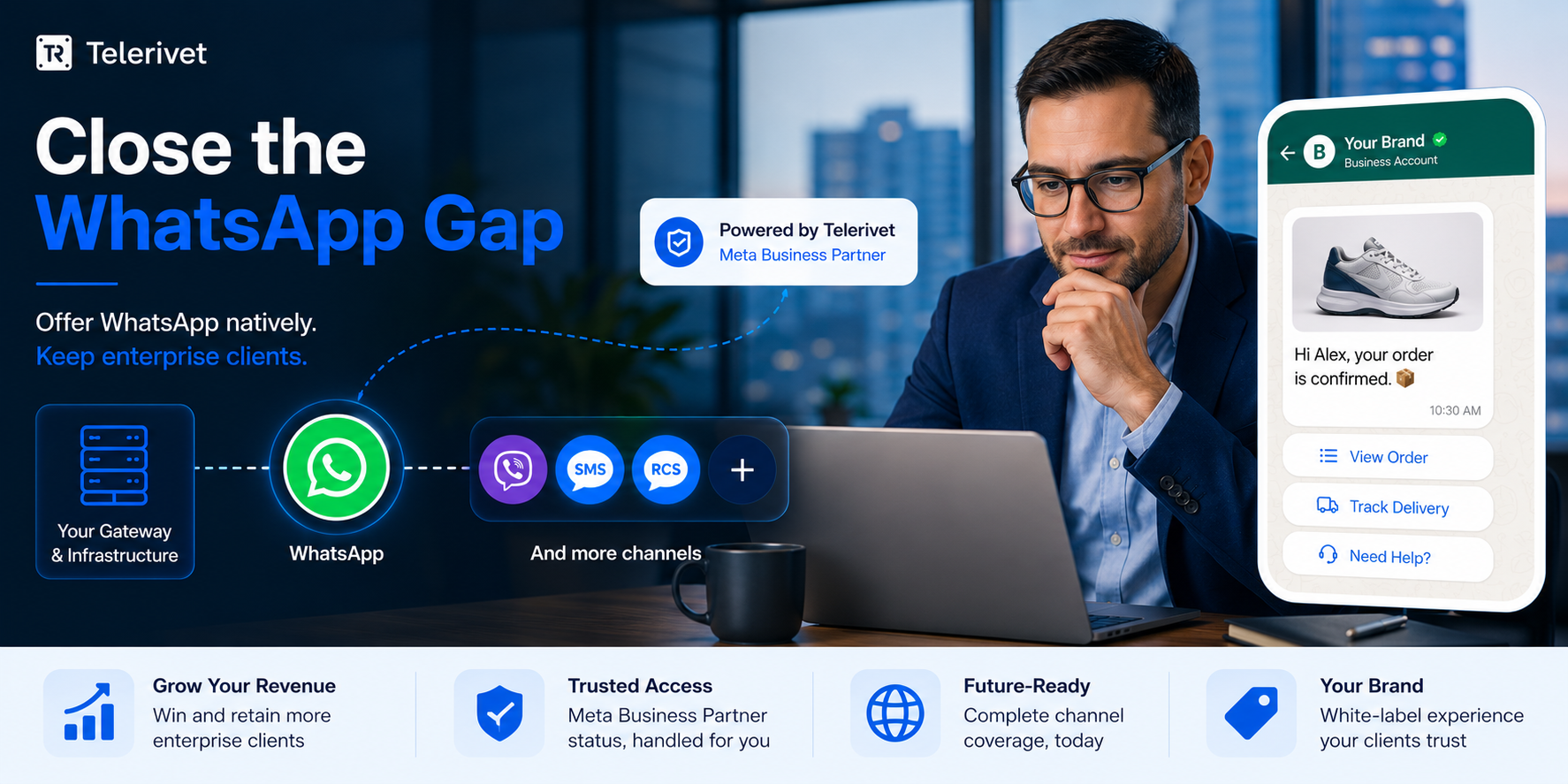
Your Clients Are Asking for WhatsApp Now. The Question Is What They'll Be Asking for Next.
Jul 12, 2026
Every SMS gateway operator and regional aggregator is having the same conversation with their enterprise clients right now. The client wants WhatsApp. They want to send order confirmations, run customer service, push payment reminders, and do it through the channel their customers actually have open. The operator has built a reliable SMS operation over years of carrier relationship work. But if the customer also asks for WhatsApp, they have nothing to offer..

Delivered Is Not the Same as Received: The Case for Acknowledgment-Based Alerting
Jul 11, 2026
Every operations lead has lived this conversation. The alert went out. The dashboard shows delivered. And the driver, the field tech, the miner or the borrower says, with complete sincerity, that they never got the message. Both sides are telling the truth, because "delivered" and "received" describe two different events, and the gap between them is where incidents, missed payments, and failed audits live.
What Communication Orchestration Actually Means for the People Running It
Jul 7, 2026
Most of the organizations I have watched struggle with operational communication have been dealing with the same problem for years without a name for it.
Communication orchestration is that name: the practice of coordinating messages across multiple channels according to a defined sequence and conditions, so that the right message goes to the right person at the right time based on what has already happened, not just based on what someone remembers to send. What I want to do here is not define it further. It is to describe what the problem looks like from the inside, in the working day of the person carrying it, because that is the frame the formal definition almost never starts with.