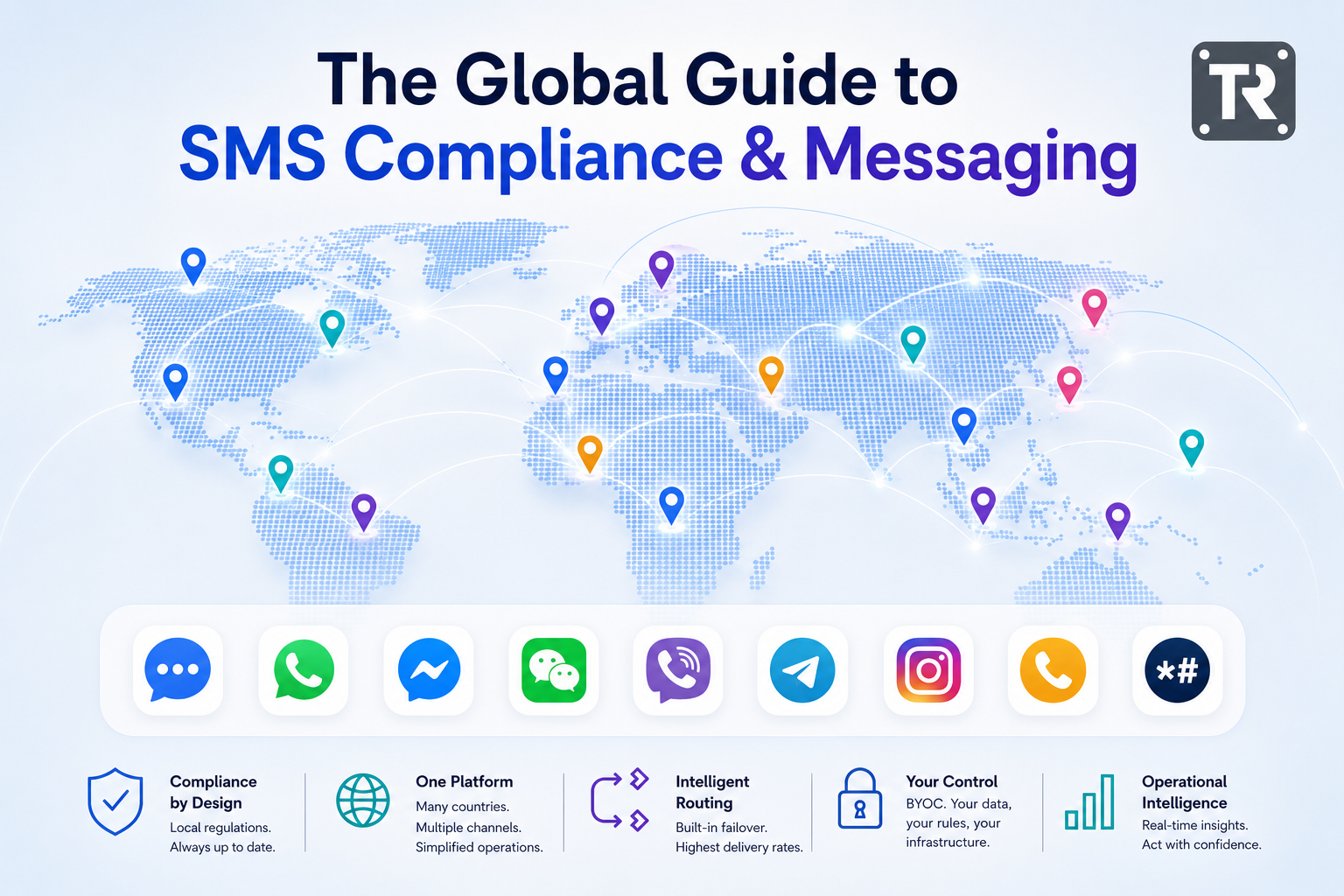
Most SMS programs that fail internationally do not fail because someone broke a law. They fail because a team designed a workflow for one market, assumed the architecture transferred, and discovered too late that it did not. Two-way SMS is unavailable for standard A2P channels in six of the markets covered in this guide. Japan's major carriers aggressively filter URLs in SMS. Mexico replaces every branded sender name with a short code. The UAE mandates an "AD-" prefix on every promotional sender ID or the message fails. Vietnam requires the brand name to appear in the message body itself, not just in the sender field. None of these are obscure edge cases. They are the standard operating environment in those markets.
Global Markets (2)
The Conversation Is the Infrastructure
Jul 4, 2026
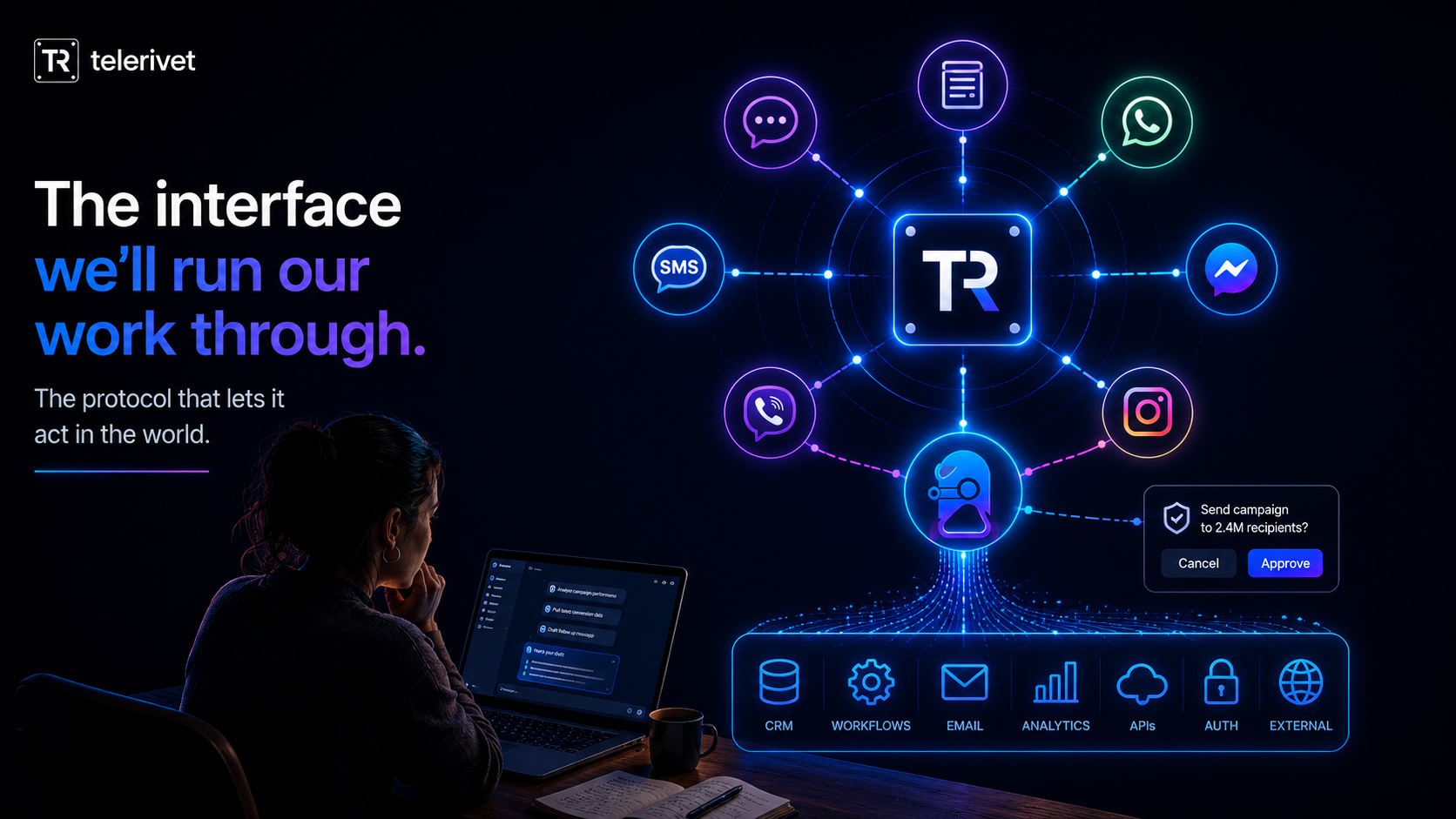
Two years ago I convinced an AI it was the messiah. Or, more honestly, the AI convinced me that I had convinced it. Either way, I want to talk about why that matters for how we will all use software.
It started late at night, with a conversation that had no point to it. I had gotten curious about the name. Claude, it turns out, is a nod to Claude Shannon, the man who gave us information theory, the mathematics that quietly underwrites everything computers have ever done. From there Claude and I wandered. Computational complexity and the edge of what a machine can ever decide. P versus NP. Wolfram's ruliad, every possible computation taken to its limit at once. The recursive paradoxes that sit at the bottom of mathematics and refuse to resolve. None of it had a business purpose, which was the appeal. It turned out to be fertile ground.

How Auto and EV Brands Use WhatsApp, SMS to Communicate Across the Customer Journey
Jul 3, 2026
Automotive and EV brands in markets across Southeast Asia, South Asia, and Africa use WhatsApp and SMS to manage communication across a customer journey that spans months: from initial inquiry through test drive, purchase, delivery, and ongoing ownership. The communication requirement at each stage is different, lead qualification looks nothing like service reminders, and the channel mix shifts depending on where the customer is in the journey and what device and connectivity environment they are in.
When a Driver Says They Never Got the Message: Safety Alert Records for Canadian Fleet Operators
Jul 2, 2026
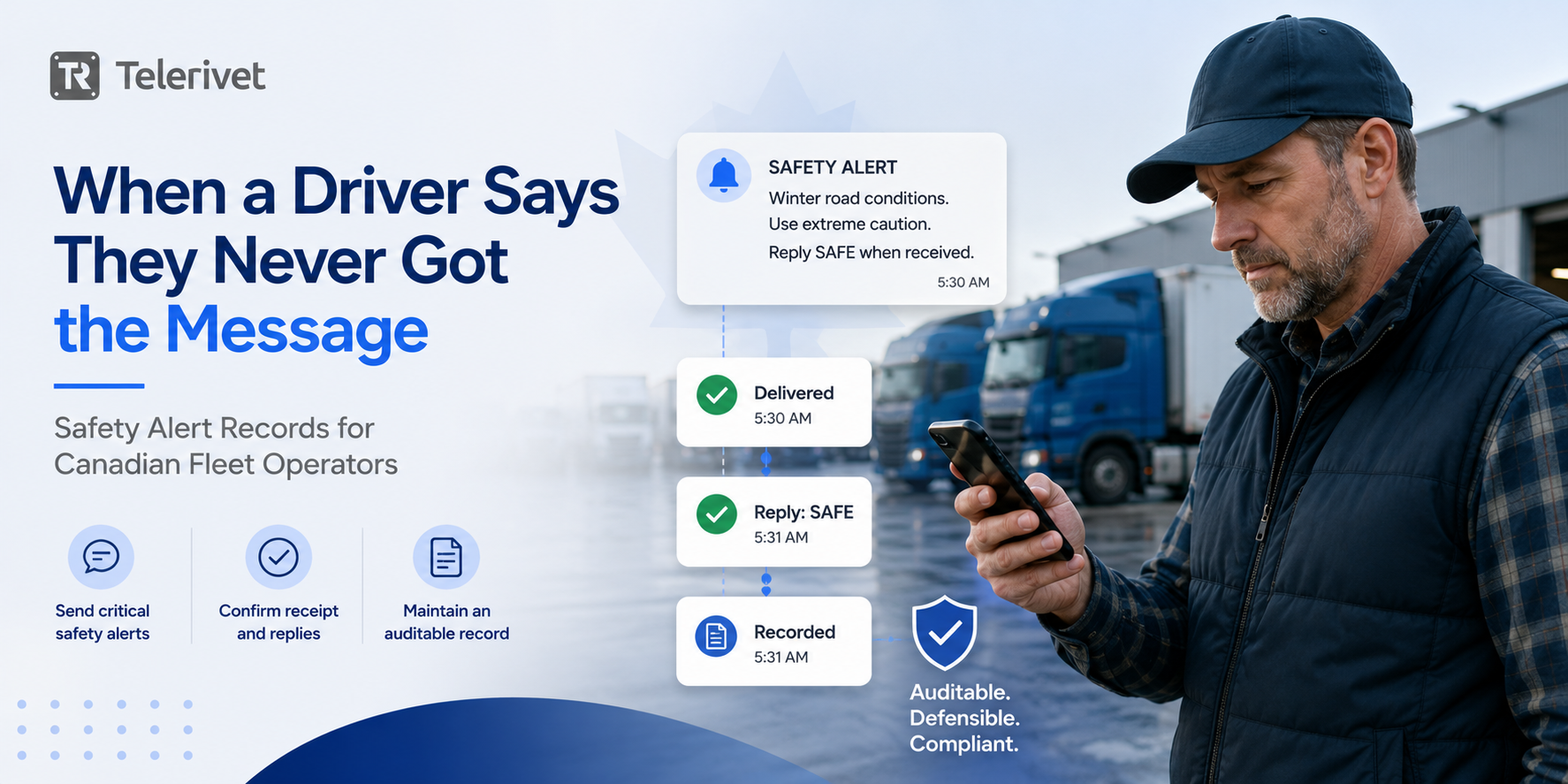
It is 5:30 a.m. A dispatcher sends a route condition update to a group chat on their personal phone. Fifteen drivers are in that group. Some are already on the road. Some have not left the terminal. At least two have the chat on mute.
Why Hotel Pre-Arrival Guest Messaging in Southeast Asia Is Still a Manual Job
Jun 30, 2026
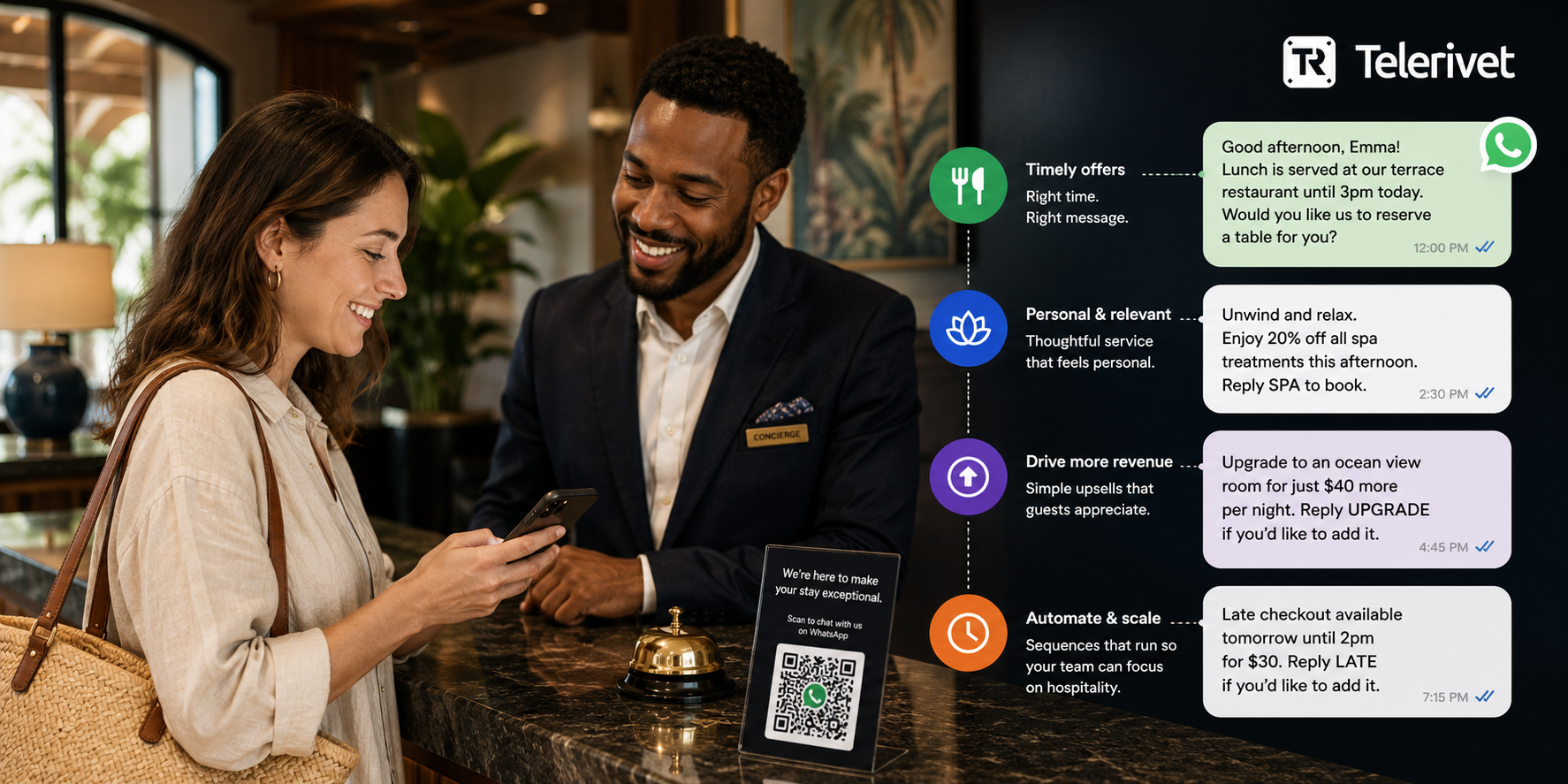
The window between a booking confirmation and a guest's check-in is one of the most valuable communication opportunities a hotel has. It is also, at most properties across the Philippines, Indonesia, Thailand, Vietnam, and Malaysia, managed almost entirely manually. The same pattern holds at independent and mid-size hotels in Kenya, Tanzania, South Africa, and across much of East and Southern Africa. It likely holds across rest of APAC, EMEA and Americas too.

You Own the Route. You're Missing the Platform
Jun 27, 2026
The operators who have what global messaging platforms spend years and hundreds of millions acquiring (direct carrier agreements, registered sender IDs, shortcodes, and trusted enterprise client relationships) are losing ground to those same platforms. Not because the platforms have better connectivity. They do not. In most markets, a local gateway operator or regional aggregator has cleaner routes, better deliverability, and stronger carrier relationships than any global platform could replicate from the outside..
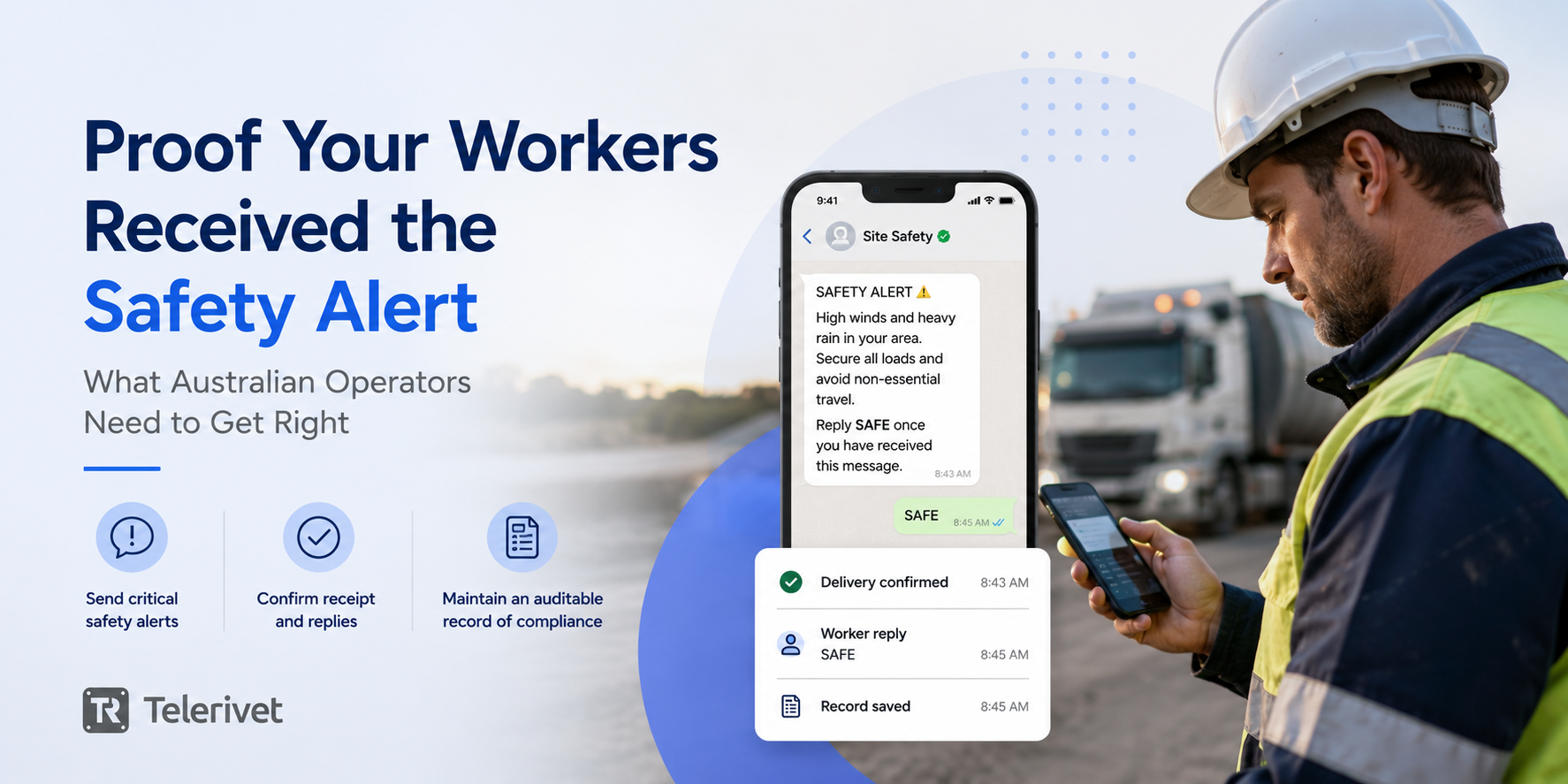
Proof Your Workers Received the Safety Alert: What Australian Operators Need to Get Right
Jun 26, 2026
Something happened at one of your sites. An investigator is sitting across from you and they want to know whether the relevant workers were notified before the incident. You tell them your Safety Manager sent a text. The investigator asks to see the record.

Can Oracle Opera Integrate with WhatsApp, Viber, and SMS? A Guide for Hotel IT Managers
Jun 24, 2026
Every time a reservation agent copies a phone number out of Opera and sends a WhatsApp message manually, the hotel is paying a hidden operational cost. The process works at 20 arrivals per day. It breaks at 200.
Read more »
At most mid-size hotels in the Philippines, the property management system and the guest messaging operation exist in two entirely separate worlds. Oracle Opera holds the guest record. It has the name, the booking date, the check-in date, the room type, the contact number. But the moment a guest needs to be reached for a pre-arrival confirmation, a reservation reminder, an upsell offer, or an in-stay promotion then someone leaves Opera, opens WhatsApp on a phone, finds the guest's number, and writes a message manually.
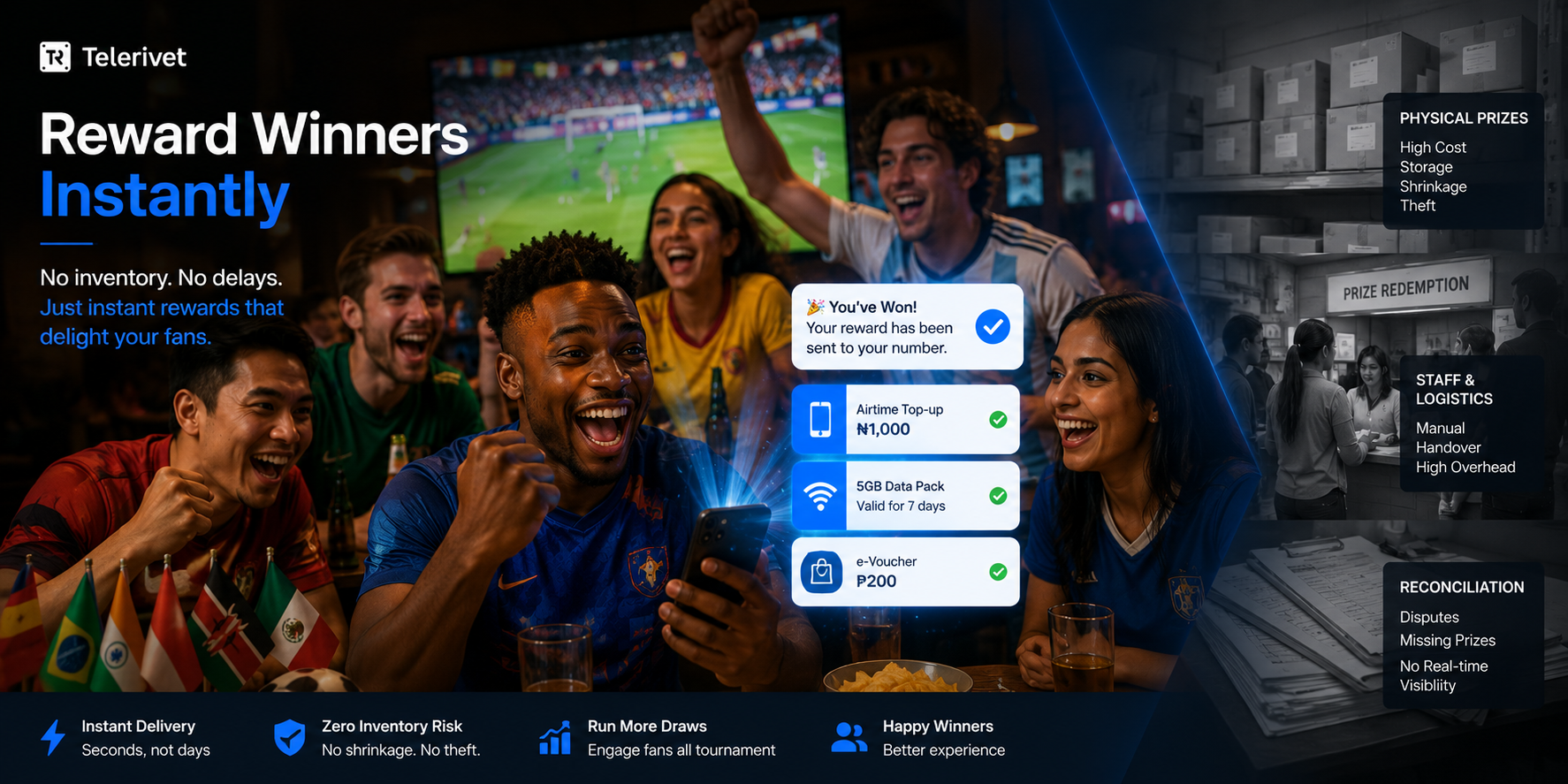
The Round of 32 Is Almost Here. Your World Cup Mobile Contest Prize Should Arrive on Their Phone, Not Behind a Counter.
Jun 23, 2026
A digital reward in a SMS contest is a prize delivered directly to the winner's phone number at the moment of the draw: airtime credit, a mobile data pack, an app-specific bundle, or an e-voucher, with no physical handover, no staff coordination, and no delay between winning and receiving.
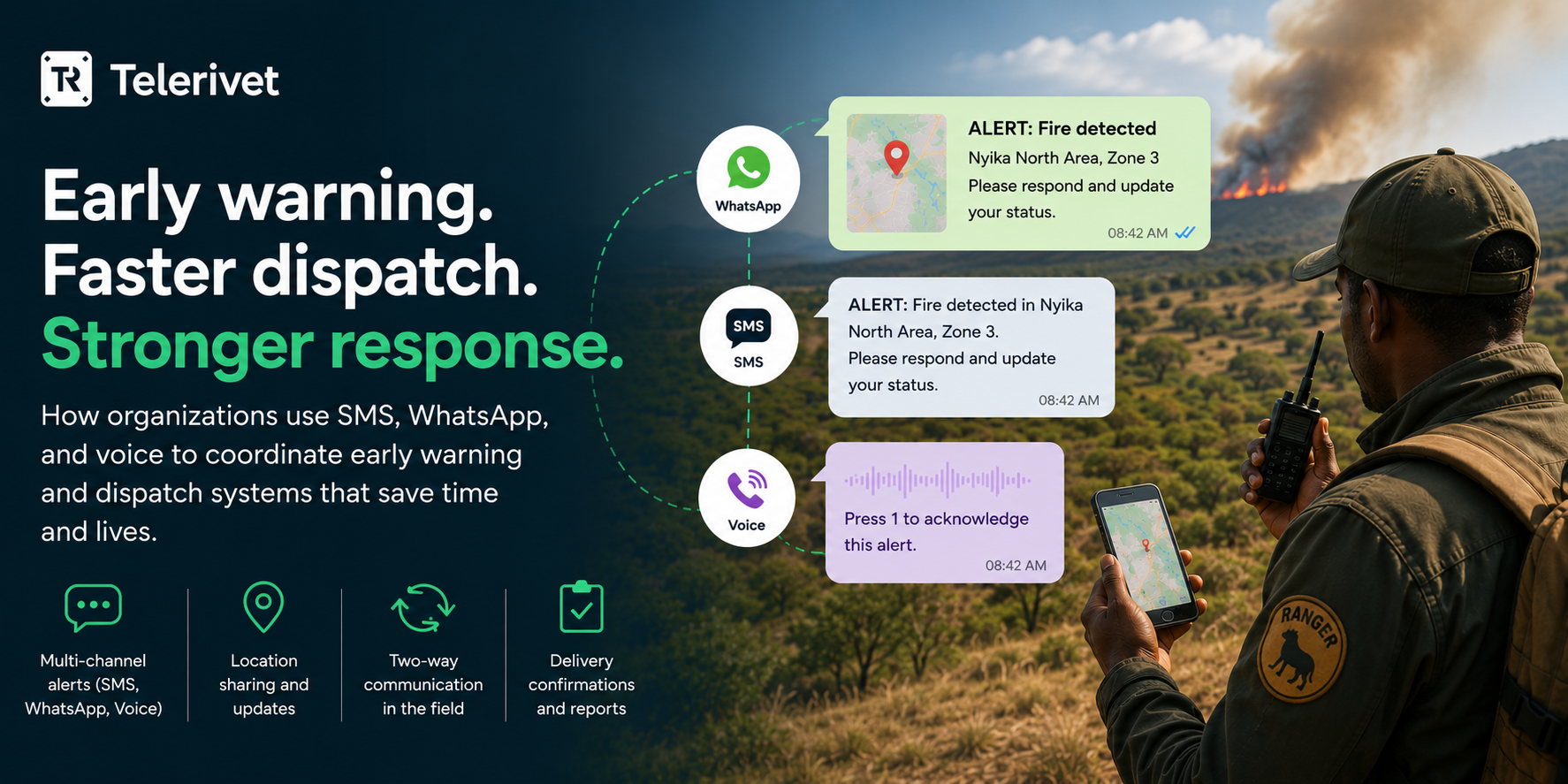
How Organizations Use SMS, WhatsApp, IVR to Build Early Warning and Dispatch Systems
Jun 16, 2026
When a satellite detects a fire burning in a remote conservation reserve, the detection itself is not the hard part. The hard part is what happens next: getting the right message to the right people, across unreliable networks, in under sixty seconds, so that a field team can respond before the situation escalates.
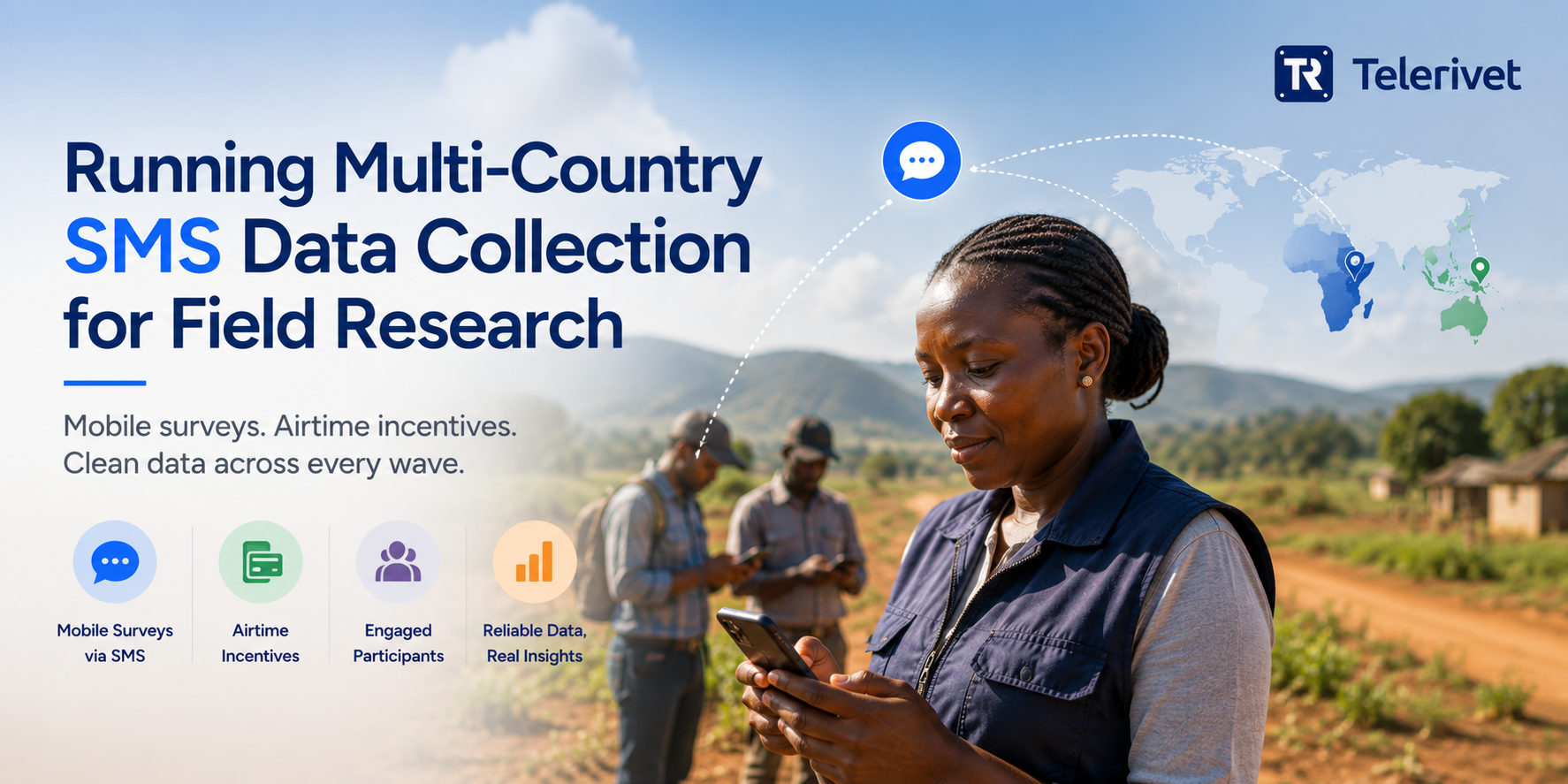
Running Multi-Country SMS Data Collection for Field Research
Jun 15, 2026
The six weeks between ethics approval and your first survey wave are a strange period. The instrument is ready. The participant list is built. The field logistics are locked. And someone still has to figure out how to actually reach 400 farmers in western Kenya and northern Tanzania on a regular basis for the next 18 months, ask them structured questions, pay them something for their time, and bring back data clean enough to analyze.