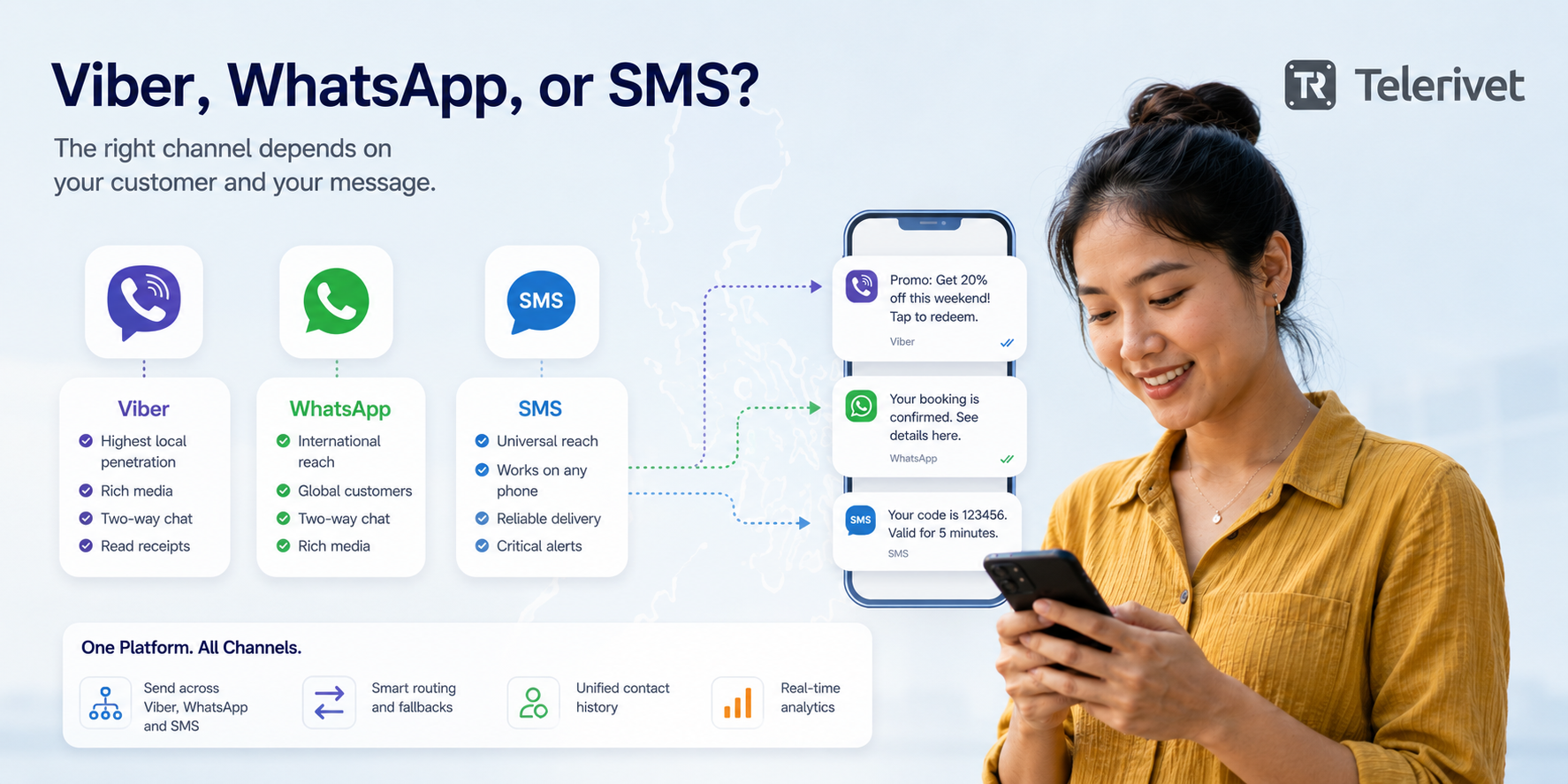
The right answer to which channel a Philippine business should use is: it depends on who you are reaching, what kind of message you are sending, and what happens if that message does not get through. This guide covers the practical differences between Viber, WhatsApp, and SMS in the Philippine context, and explains why most businesses end up running all three.
Multichannel Messaging (2)
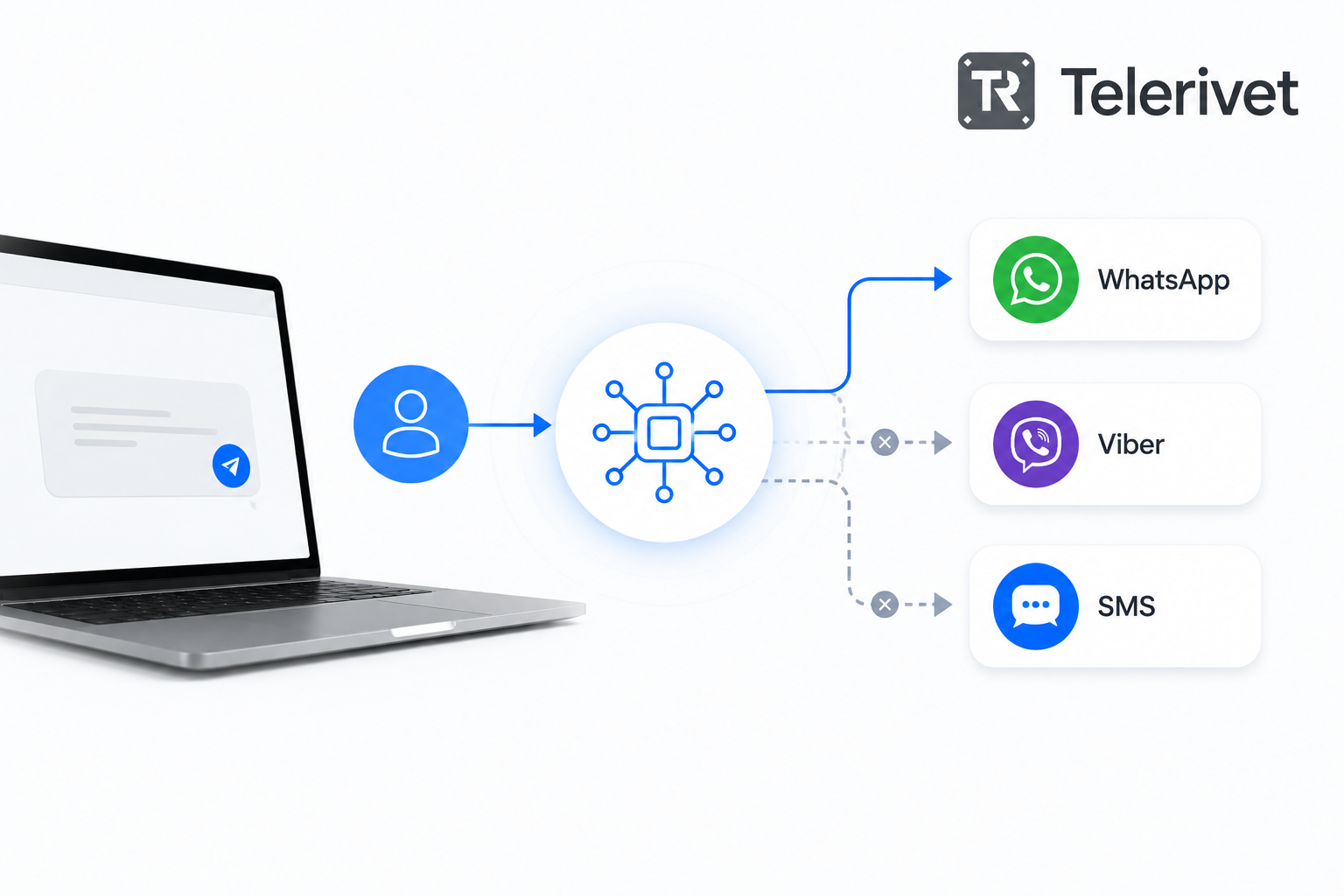
You Have a Backup Channel. That's Not the Same as a Channel Strategy.
May 11, 2026
How multichannel fallback becomes a routing layer that optimizes for cost, experience, and reliability simultaneously
Channel strategy is usually treated as a setup decision. You evaluate your markets, pick a primary channel, configure a backup, and move on.
For many organizations, that works until it doesn't.
Business SMS in Brazil: ANATEL, LGPD, and Building Programs Across Three Time Zones
Apr 13, 2026
Brazil is simultaneously one of the most challenging markets to configure SMS for and one where SMS configuration is often not the right starting point. With approximately 148 million WhatsApp users, Brazil ranks second globally in WhatsApp adoption behind only India, and WhatsApp penetration sits at well over 90% of smartphone users. For many operational programs in Brazil, the channel architecture question comes before the SMS compliance question: which audience segment needs SMS, and which segment is better served through WhatsApp with SMS as the fallback?
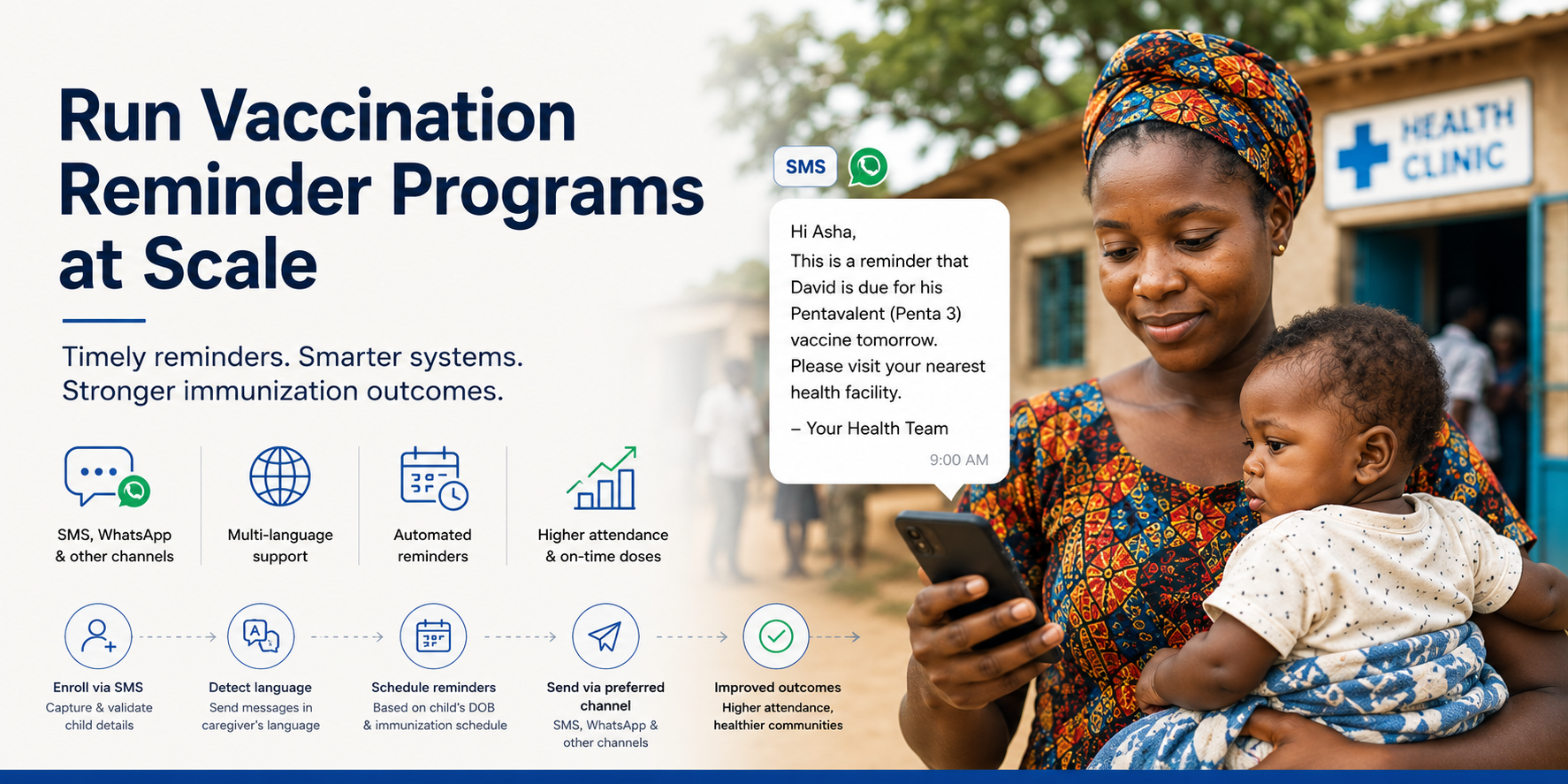
What It Takes to Run an SMS Vaccination Reminder Program at Scale
Apr 8, 2026
Running an SMS vaccination reminder program at scale requires four components working together: a reliable patient contact list with valid numbers and language preferences, a messaging platform capable of multi-language sequencing and two-way response handling, integration with the health facility's scheduling or registry system, and routing logic that accounts for recipients without smartphones or reliable data access. The communication problem is solvable. The operational challenge is building the workflow that connects all four.
Vaccination coverage gaps in low- and middle-income countries are not always caused by vaccine shortages. In many programs, vaccines are available, health facilities are operating, and community health workers are already deployed..
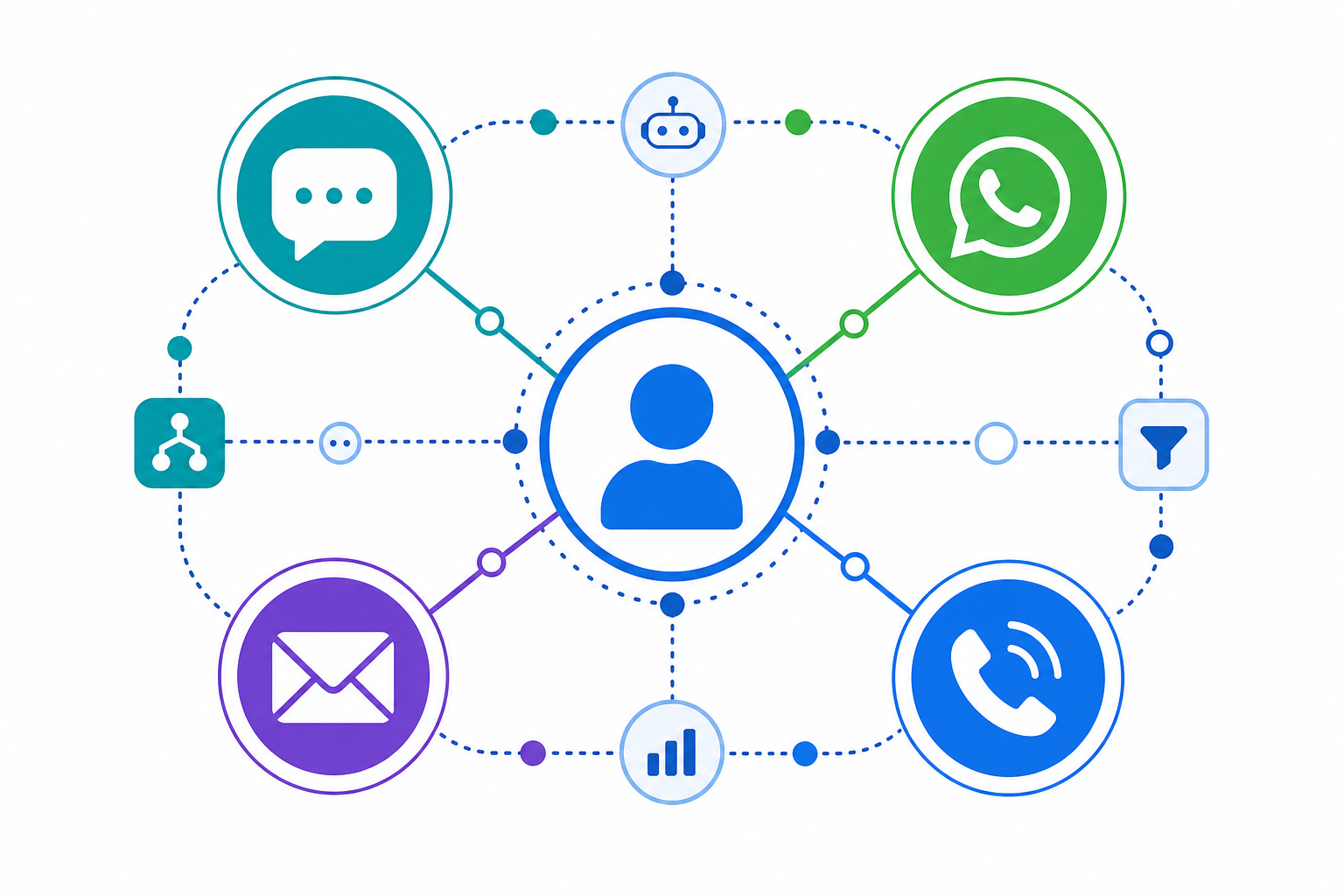
Why Multichannel Customer Experience Fails and How to Fix It
Mar 11, 2026
Most organizations have more channels than they have strategy.
SMS goes through one vendor. WhatsApp through another. Transactional email through a platform that nobody in operations can access. Voice sits with a separate IVR provider. Each team manages its own slice, and nobody owns the customer experience end to end.
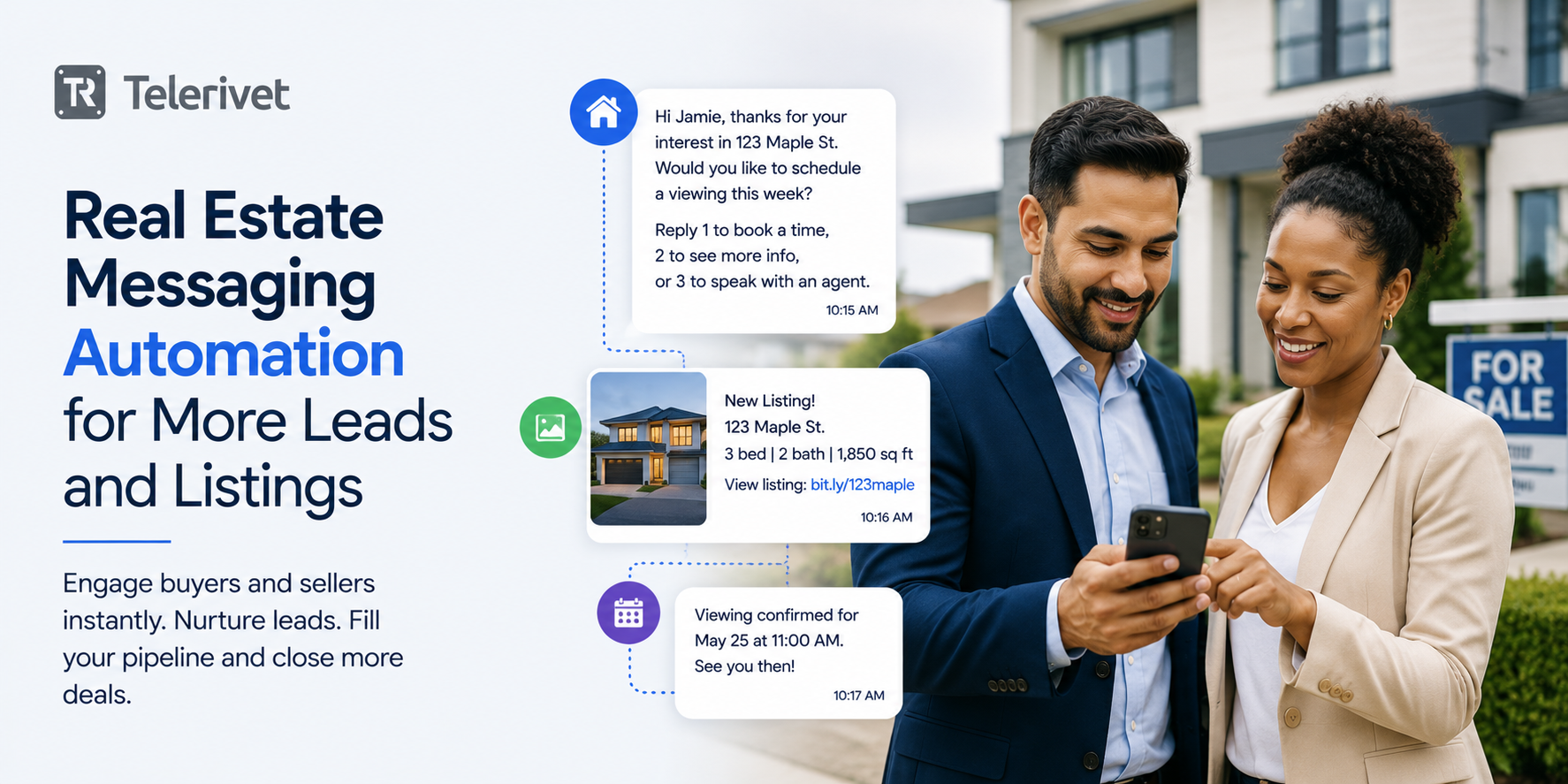
How Real Estate Companies Use SMS, WhatsApp, Viber, Messenger to Capture Property Leads
Jan 24, 2026
Real estate companies manage communication across a wide range of interactions. Prospective buyers inquire about properties, existing customers ask questions, tenants request support, and property managers send updates about facilities or payments.
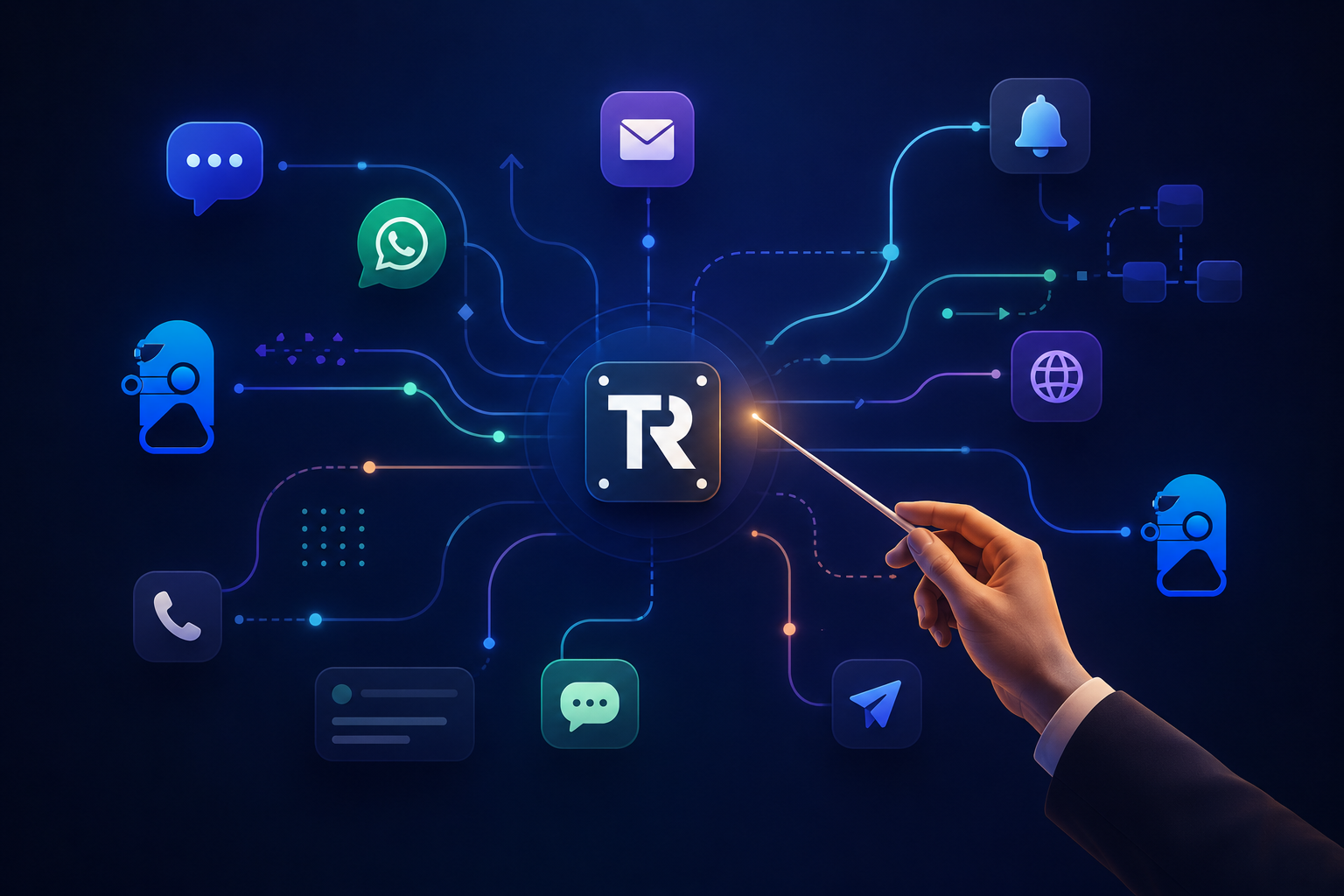
The Hidden Orchestration Layer in Customer Communication Systems
Dec 31, 2025
Beneath every customer-facing messaging channel sits a coordination layer that most platforms do not expose: the logic that decides when a message is sent, which channel it travels through, what happens if it fails to deliver, and whether the intended outcome was confirmed. This is the orchestration layer and it is what determines whether a communication system actually works, not just whether it sends messages.
Most communication systems look simple from the outside. A company sends messages, triggers reminders, or responds to customers on SMS, WhatsApp, Viber, or whatever channel is popular in that region. The experience looks straightforward. The reality beneath it is anything but.
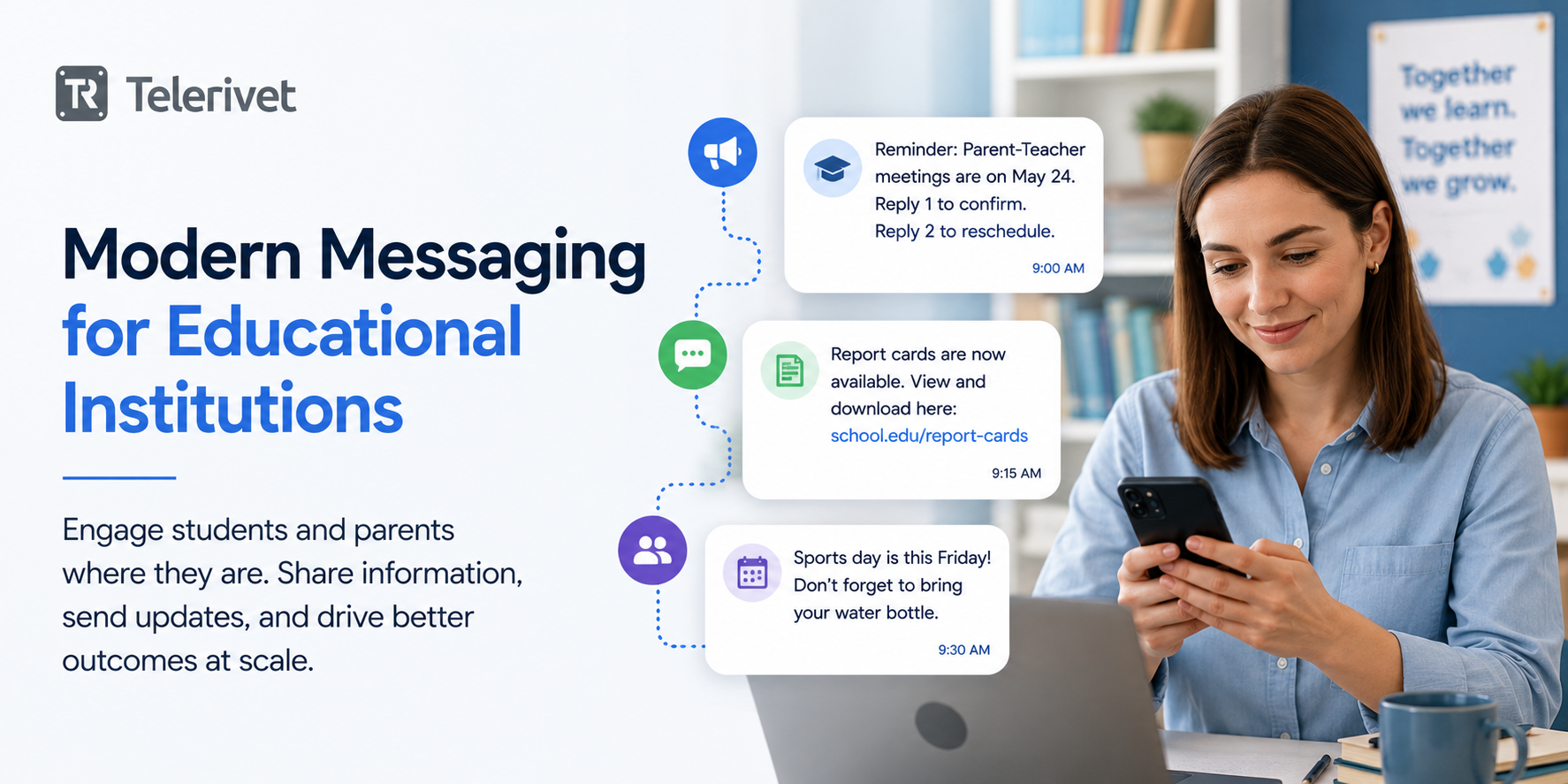
How Educational Institutions Can Build a Smarter, More Trusted Messaging System
Nov 22, 2025
Educational institutions rely on clear, reliable communication to keep students, families, and staff informed. This includes a wide range of organizations such as early childhood centers, kindergartens, primary schools, secondary schools, higher secondary schools, colleges, universities, coaching centers, vocational institutes, and community programs.
Customers Don’t Live on One Channel Anymore, Neither Should Your Business
Nov 11, 2025
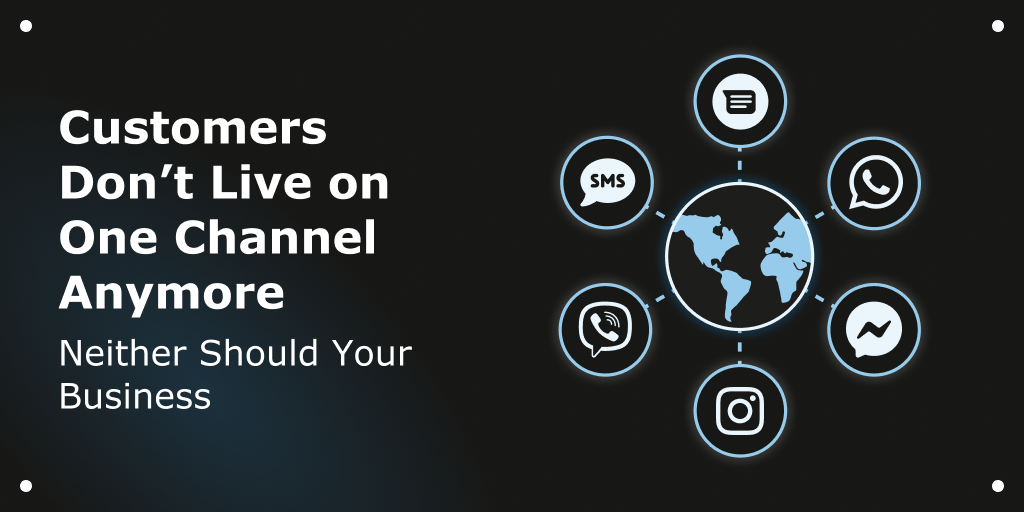
The Hidden Cost of Channel Fragmentation
Your customers move seamlessly between messaging apps. WhatsApp for quick updates. SMS for one-time passwords and transactional alerts. Viber for regional preferences. Messenger for FAQs. To them, it is all one conversation.
The Art of the Failover: How Multi-Channel Flexibility Makes Huge Gains at the Margins
Sep 8, 2025
A messaging failover is the automatic rerouting of a message to a secondary channel when the primary channel fails to deliver for example, switching from WhatsApp to SMS when a recipient has no internet connection, or from SMS to voice when a number is temporarily unreachable. Failover logic is the difference between a message that was sent and a message that actually reached someone. It operates invisibly when it works, and produces missed payments, missed appointments, and failed dispatches when it does not.
Most teams think about failovers as insurance. Something you set up in case things go wrong..
Campaigns in Telerivet: Structured, Automated Messaging
Jan 11, 2025
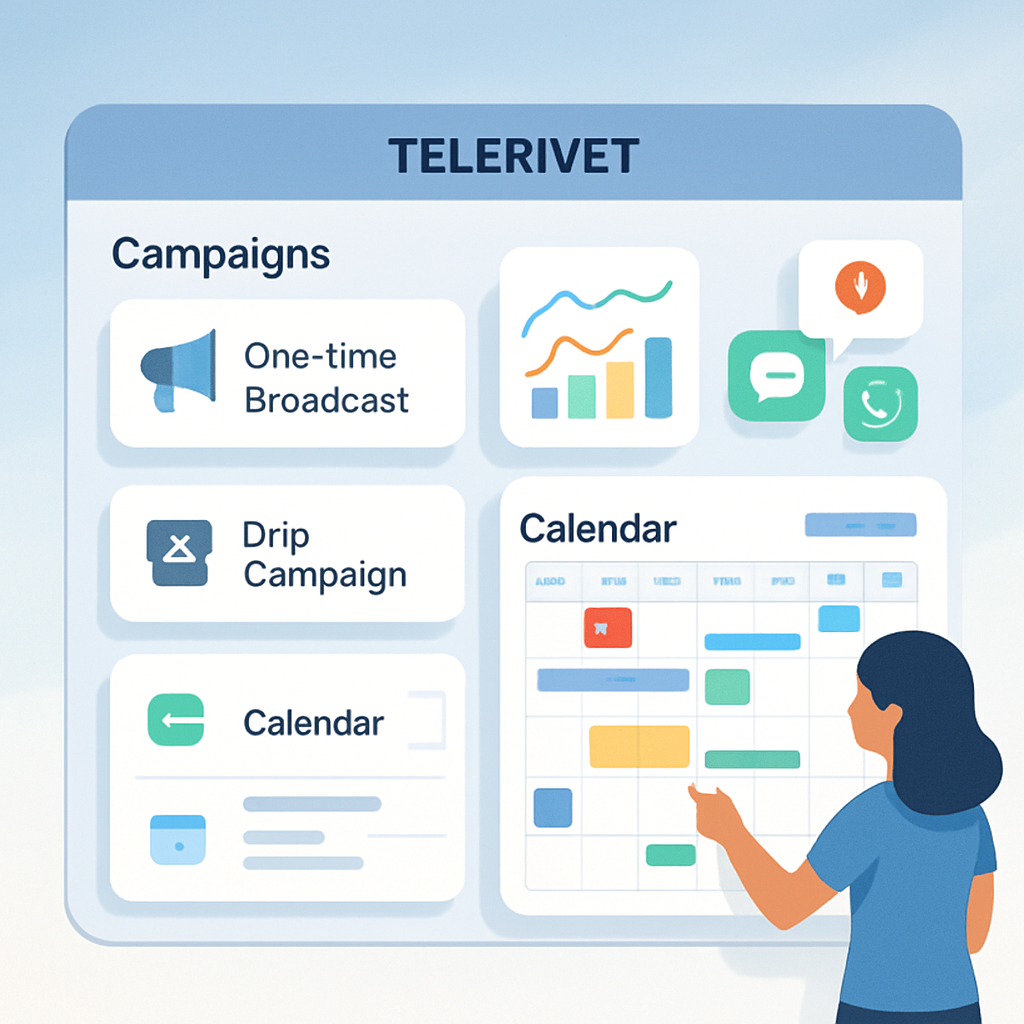
What Campaigns Are in Telerivet
A campaign is a coordinated set of messages sent to a specific audience with a clear purpose. It can be a single broadcast or a sequence that runs on its own.