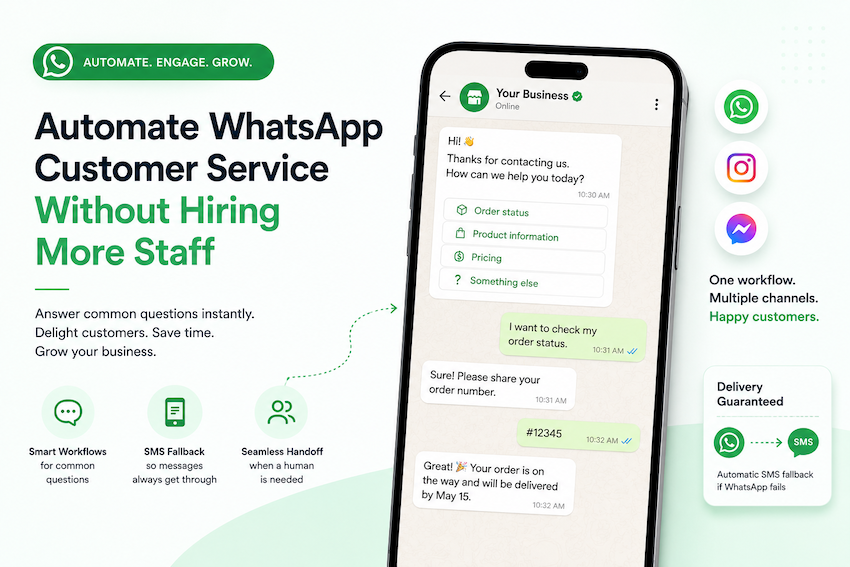
If your business runs on WhatsApp, you already know the pattern. A customer messages asking about an order. Another wants a price list. Someone asks whether a product is back in stock. By mid-morning, a significant part of your day has gone to questions you have already answered dozens of times.
Communication Orchestration (2)

Telerivet Adds Instagram & Messenger as Official Meta Business Partner
Jun 1, 2026
Telerivet is now an official Meta Business Partner, recognizing our experience helping organizations scale customer communication on WhatsApp.
We’re also expanding our Meta messaging support beyond WhatsApp. Businesses can now connect Instagram professional accounts and Facebook pages directly to Telerivet to manage Instagram DMs, Messenger conversations, WhatsApp, and SMS from one platform.
Communication Orchestration in an AI-Native World
May 21, 2026
In an AI-native environment, communication orchestration is the capacity of a platform to accept intent-level instructions from a human or an AI agent and execute multi-step messaging workflows reliably across channels, recipients, and real-world outcomes. The AI generates the workflow. The orchestration platform runs it. Neither half works without the other.
For a long time, business communication was framed as a channel question.
Which channels do we support? Which providers do we integrate with? How do we add WhatsApp, SMS, voice, or whatever comes next?
How AI is Pushing Enterprise Software Toward Intent-Driven Orchestration
May 19, 2026
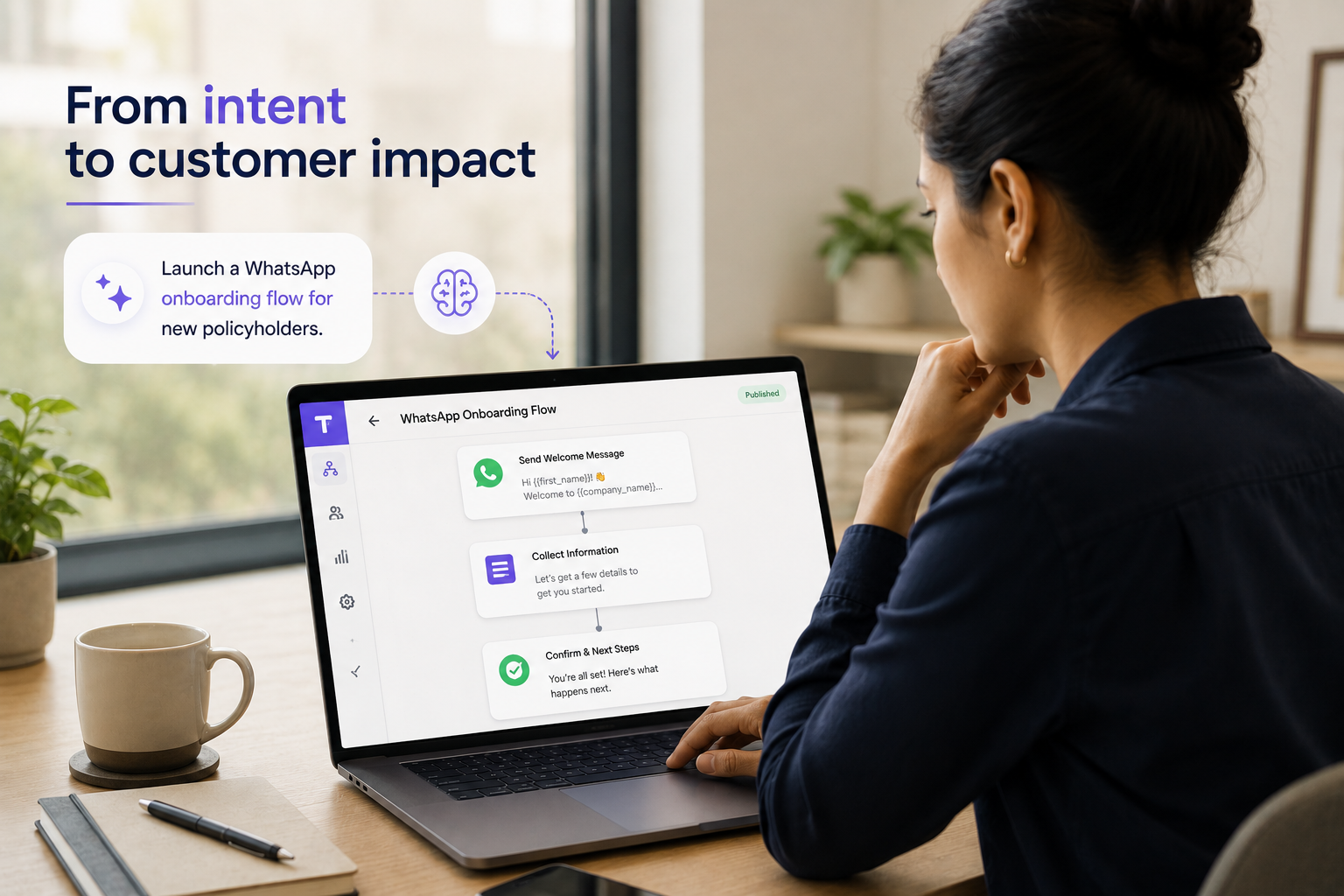
Intent-driven orchestration is a model in which software accepts a description of a desired outcome in plain language or structured intent and configures itself to execute it, rather than requiring a human operator to build the workflow step by step. In communication systems, this means describing a messaging sequence to an AI agent and having the platform build, route, and run it automatically. It is the shift from configuring software to instructing it.
For the last two decades, enterprise software has followed the same basic model: businesses adapt themselves to software..
You Have a Backup Channel. That's Not the Same as a Channel Strategy.
May 11, 2026
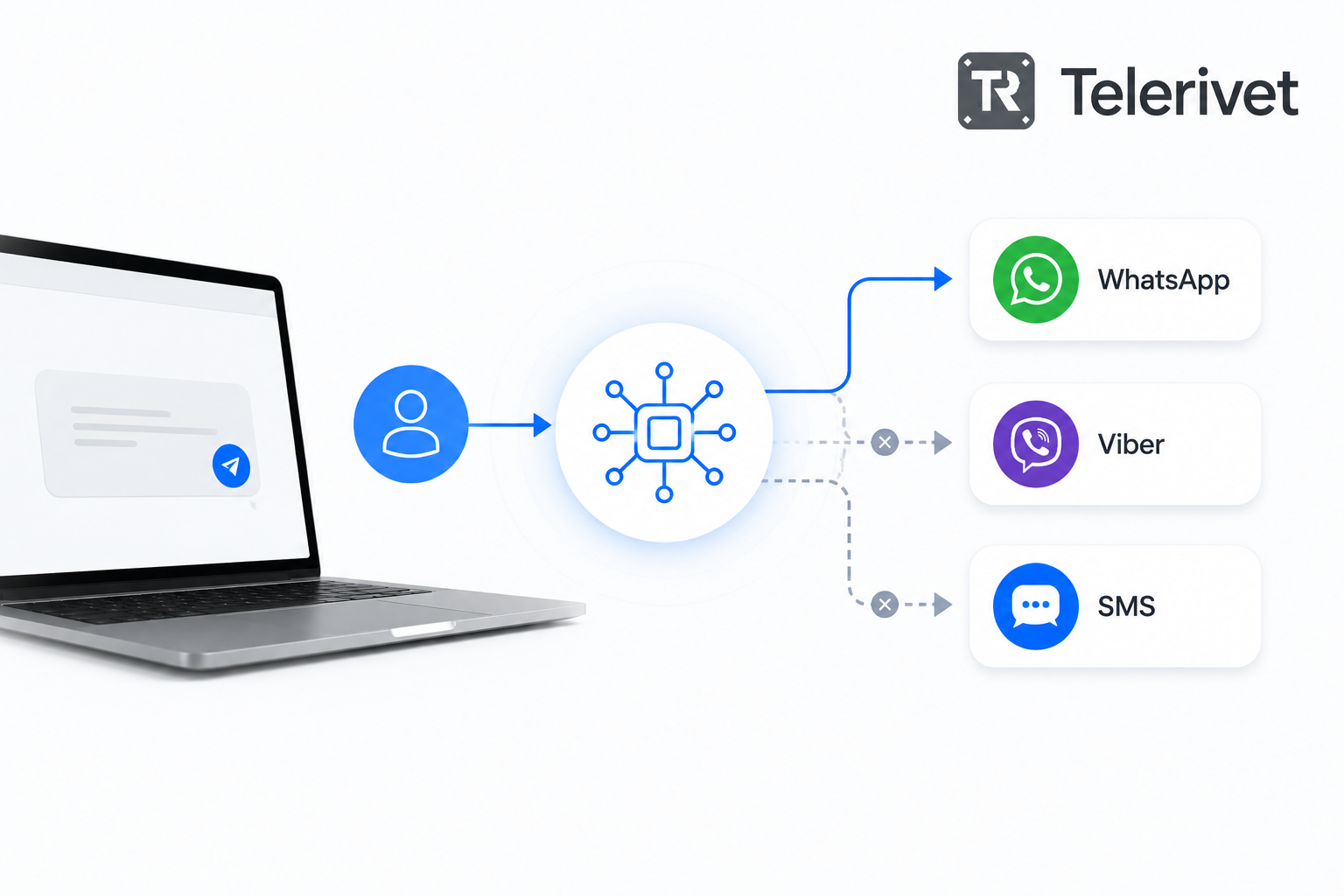
How multichannel fallback becomes a routing layer that optimizes for cost, experience, and reliability simultaneously
Channel strategy is usually treated as a setup decision. You evaluate your markets, pick a primary channel, configure a backup, and move on.
For many organizations, that works until it doesn't.
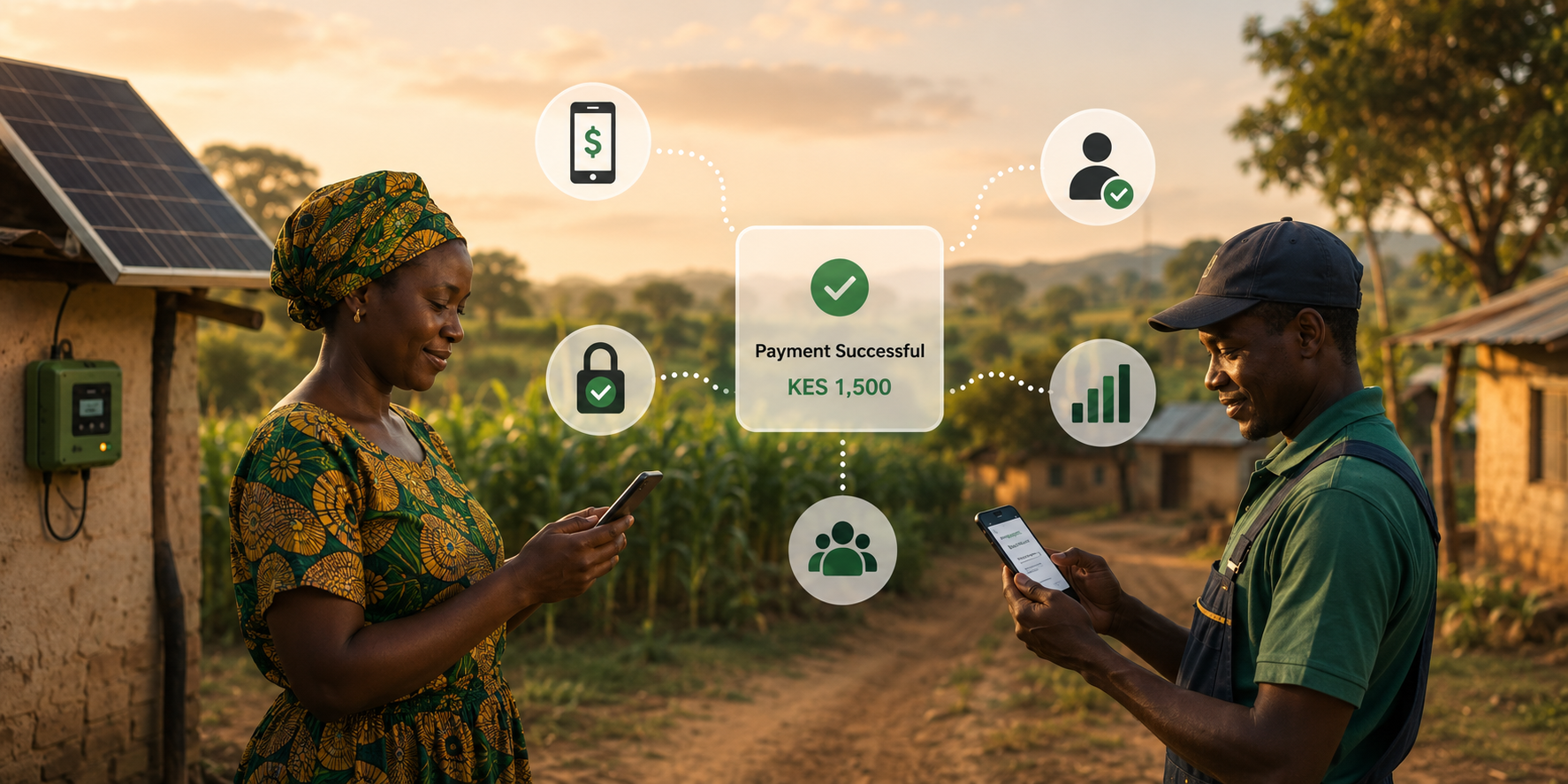
How PAYGo Solar and Agricultural Finance Operators Use SMS as Operational Infrastructure
May 4, 2026
PAYGo (pay-as-you-go) solar and agricultural finance operators use SMS to automate the connection between a customer payment and the service it unlocks. When a mobile money payment arrives, an SMS workflow parses the transaction, updates the account status, sends a confirmation to the customer, and in some cases dispatches a field agent if the account requires manual intervention. This runs automatically across thousands of accounts in real time. The SMS layer is not a communication add-on, it is what makes the business model operationally viable at scale..
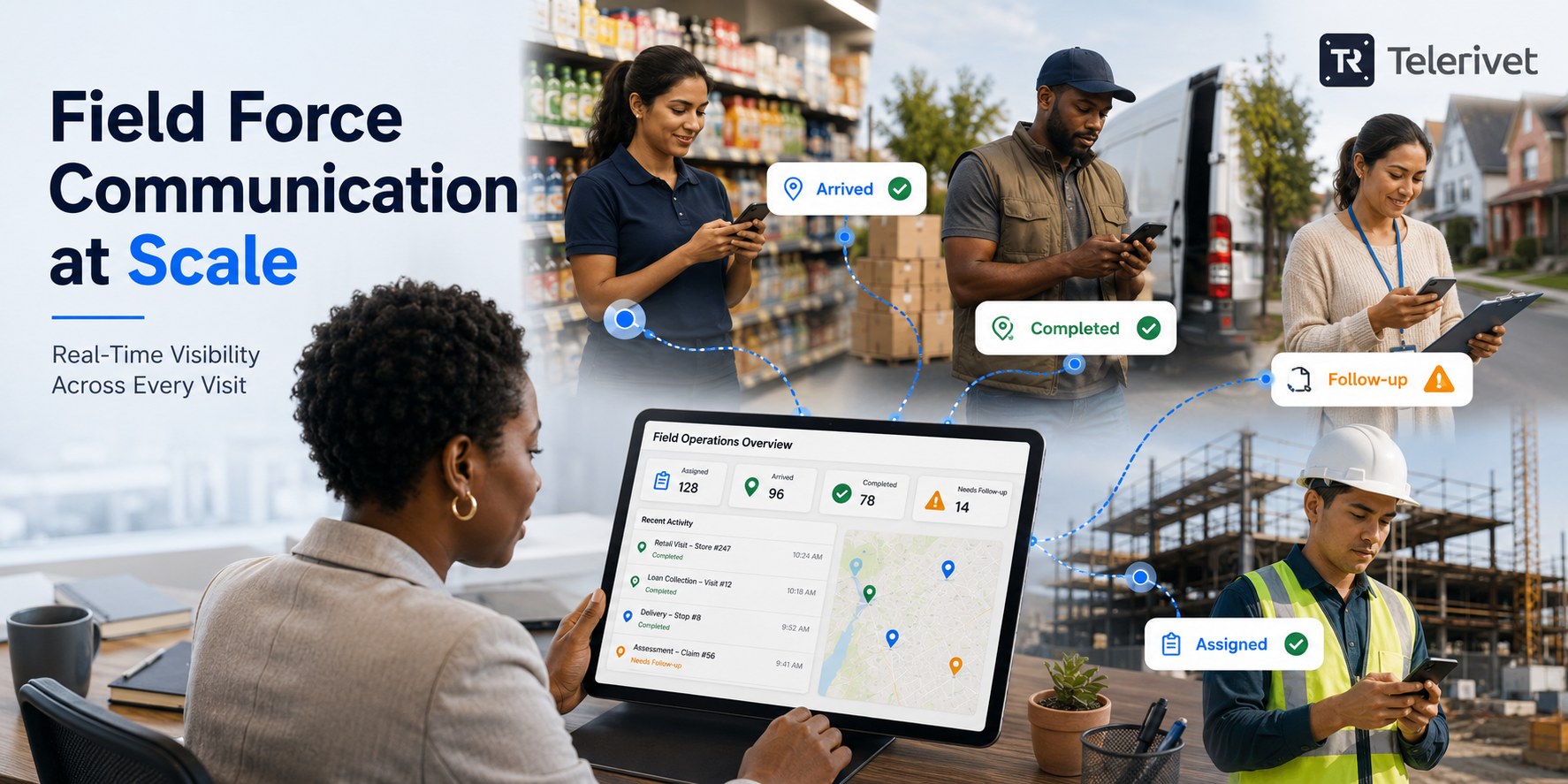
Why Field Force Communication Breaks Down at Scale and What to Do About It
Apr 22, 2026
Field force communication is the system a business uses to coordinate between a central operations team and distributed field agents covering task assignment, check-ins, status updates, and exception reporting. At small scale, a group chat and a spreadsheet are sufficient. At 100+ agents, the absence of structured message routing, automated check-ins, and response tracking creates coordination failures that cost coverage, visibility, and operational control..
3 Ways a Communication Orchestration Platform Can Power Your FMCG Profits: Key Use Cases
Feb 5, 2026
FMCG leaders are facing squeezed margins and rising ad costs, making direct customer connection vital for survival.
Here is how communication orchestration turns mobile messaging into a scalable engine for profit and data ownership.
Why SMS Beats Branded Apps and Everything Else in General Trade
Jan 30, 2026
In general trade markets, simple infrastructure often drives the biggest returns.
In this Telerivet article, we'll cover why savvy brands are choosing orchestrated SMS and messaging channels over expensive app development to drive loyalty and sales.
One Playbook, Every Channel: How FMCG Brands Use Communication Orchestration to Scale Engagement
Jan 15, 2026
In the fast-moving consumer goods sector, market share is won by those who can turn a single purchase into a habit.
This is how smart communication infrastructure bridges the gap between fragmented channels and lasting customer loyalty.
In this Telerivet article, we'll cover:
- Why FMCG brands are fighting for attention
- The playbook FMCG brands are turning to for sustained growth
- Why this playbook works for FMCG
- How this playbook grew one FMCG firm to 5% market share
- Communication orchestration: Why the playbook works
- Telerivet: Enterprise Orchestration for Revenue and Operations
Orchestration Playbooks: How FMCG Brands Are Running Multichannel Promotions Without Multichannel Headaches
Jan 12, 2026
FMCG leaders in emerging markets often face a choice between speed and scale, assuming they cannot have both.
The reality is that with the right infrastructure, global brands are launching complex multichannel campaigns in weeks instead of months and seeing immediate, measurable returns.