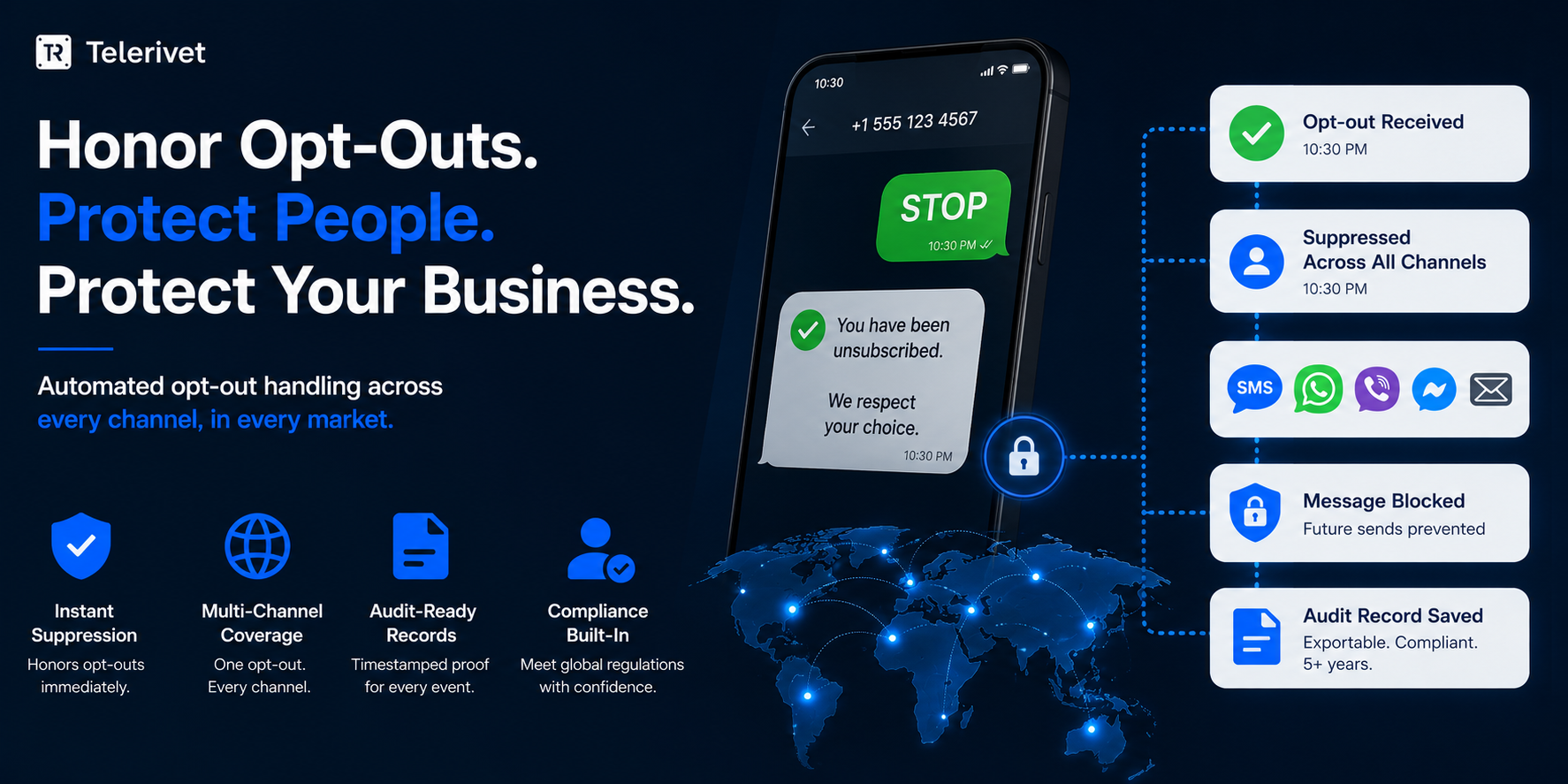
Ask a high-volume sender what they value in a messaging platform and you will hear about deliverability, routing, and cost per message. Almost nobody says opt-out handling. Yet when we listen to what enterprise operators actually cite as their top value drivers after a year of running campaigns across multiple countries, automated opt-out handling keeps appearing near the top of the list. One global event operator named it among their top three.
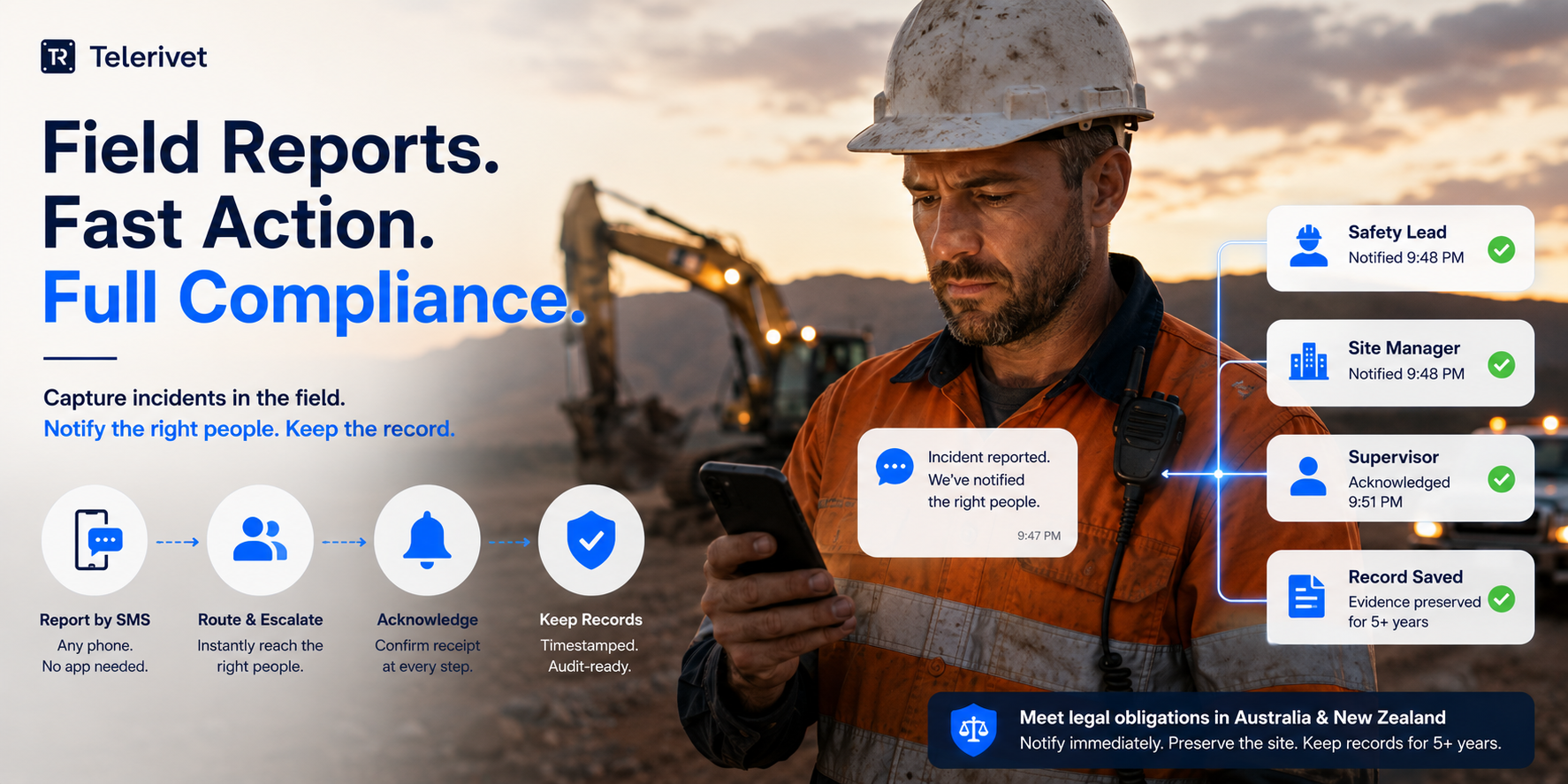
Workplace Incident Reporting in Australia and New Zealand: The Worker's Side of the Record
Jul 17, 2026
A worker is injured at a remote site on a Friday night. Their crewmate calls a supervisor, who is off shift. The supervisor texts the site manager in the morning. The site manager mentions it to the safety lead on Monday. Somewhere in that chain, a legal clock has been running the whole time, because in Australia and New Zealand the duty to notify the regulator starts the moment the business becomes aware of the incident. Awareness travels exactly as fast as your reporting channel.
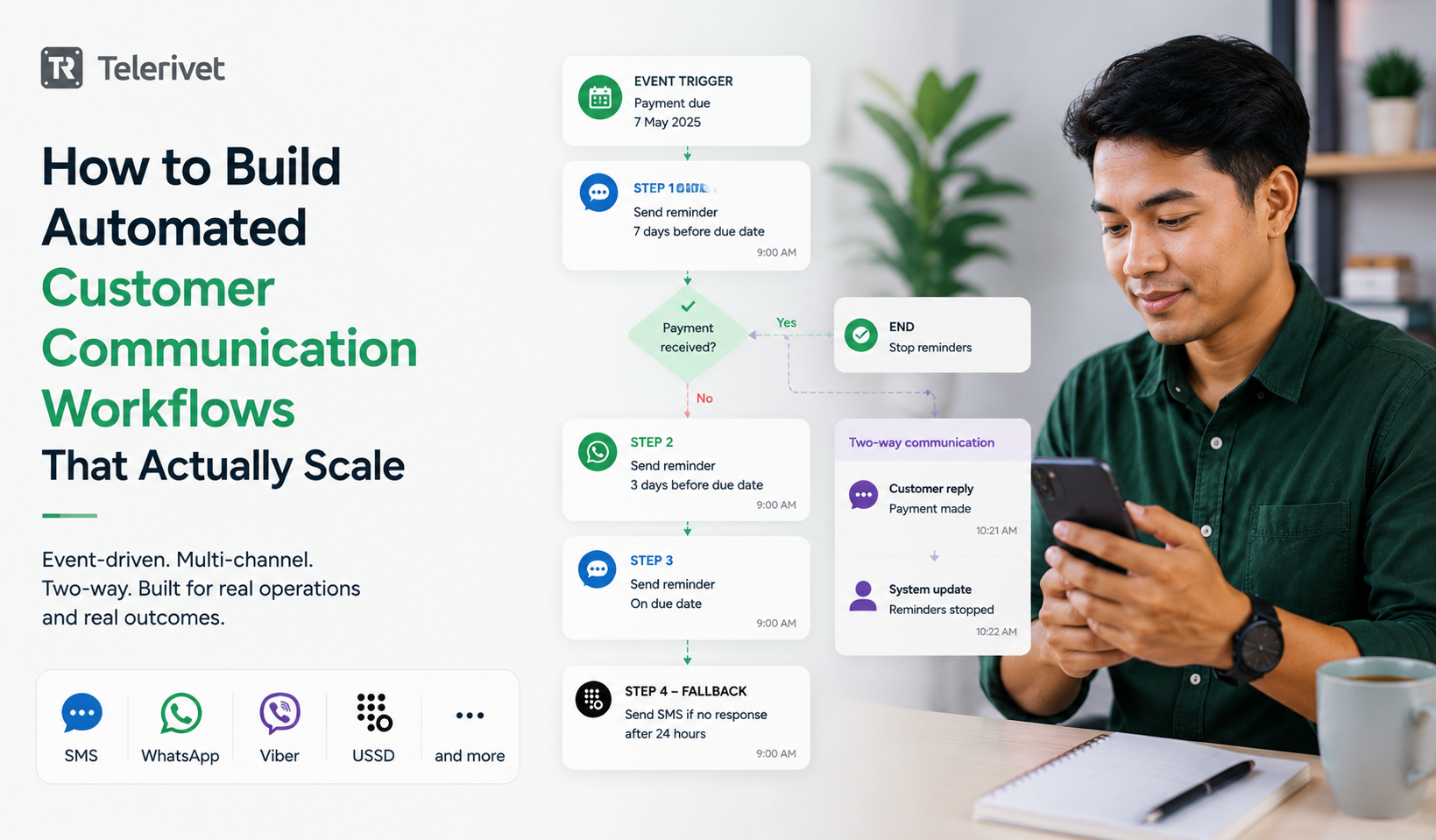
How to Build Automated Customer Communication Workflows That Actually Scale
Jul 16, 2026
An automated customer communication workflow is a set of triggered, conditional messaging rules that runs without manual intervention - sending the right message, to the right recipient, through the right channel, at the right moment, and adjusting based on what happens next. The word "automated" is the easy part. The hard part is "scale", building workflows that stay reliable and maintainable as recipient volume, market count, and message complexity grow.
A payment reminder sent three days late does not prevent a missed payment. An appointment confirmation that lands on the wrong channel does not reduce no-shows. A delivery notification triggered by the wrong system event is worse than no notification at all.The operational problem most organizations are actually solving is not whether to use SMS or WhatsApp. It is how to build communication workflows that run reliably, adapt to real-world conditions, and stay consistent as customer volume grows, without requiring a technical team to maintain them every week.
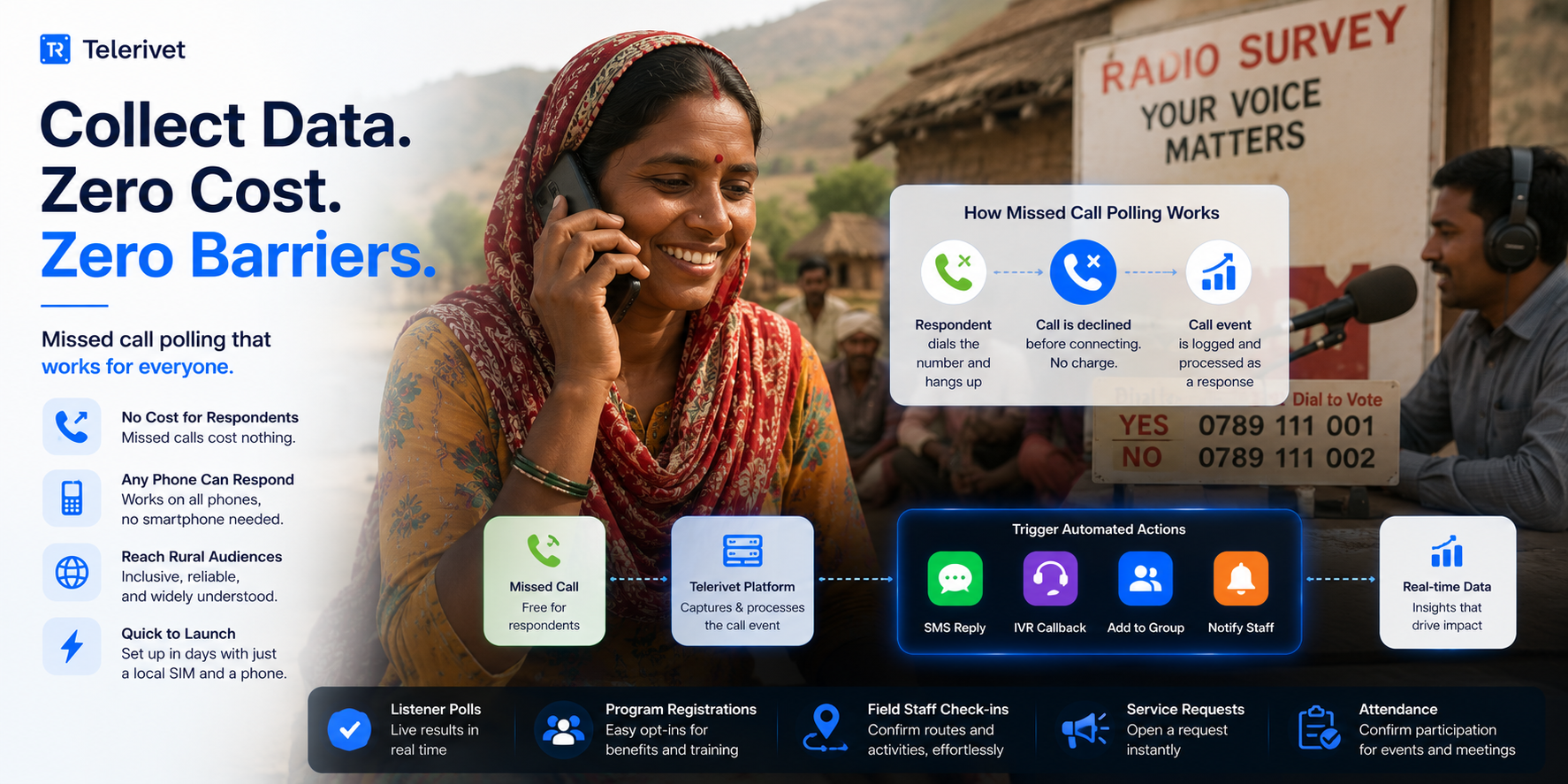
The Missed Call Is the Message: Collecting Field Data at Zero Cost to the Respondent
Jul 14, 2026
Every survey methodology has a hidden assumption built into it: that the person responding can afford to respond. For organizations collecting data from rural audiences across Sub-Saharan Africa, South Asia, and Southeast Asia, that assumption fails constantly. An SMS reply costs money. A data connection costs more. A survey that requires either one is not measuring what your audience thinks. It is measuring who can afford to tell you.
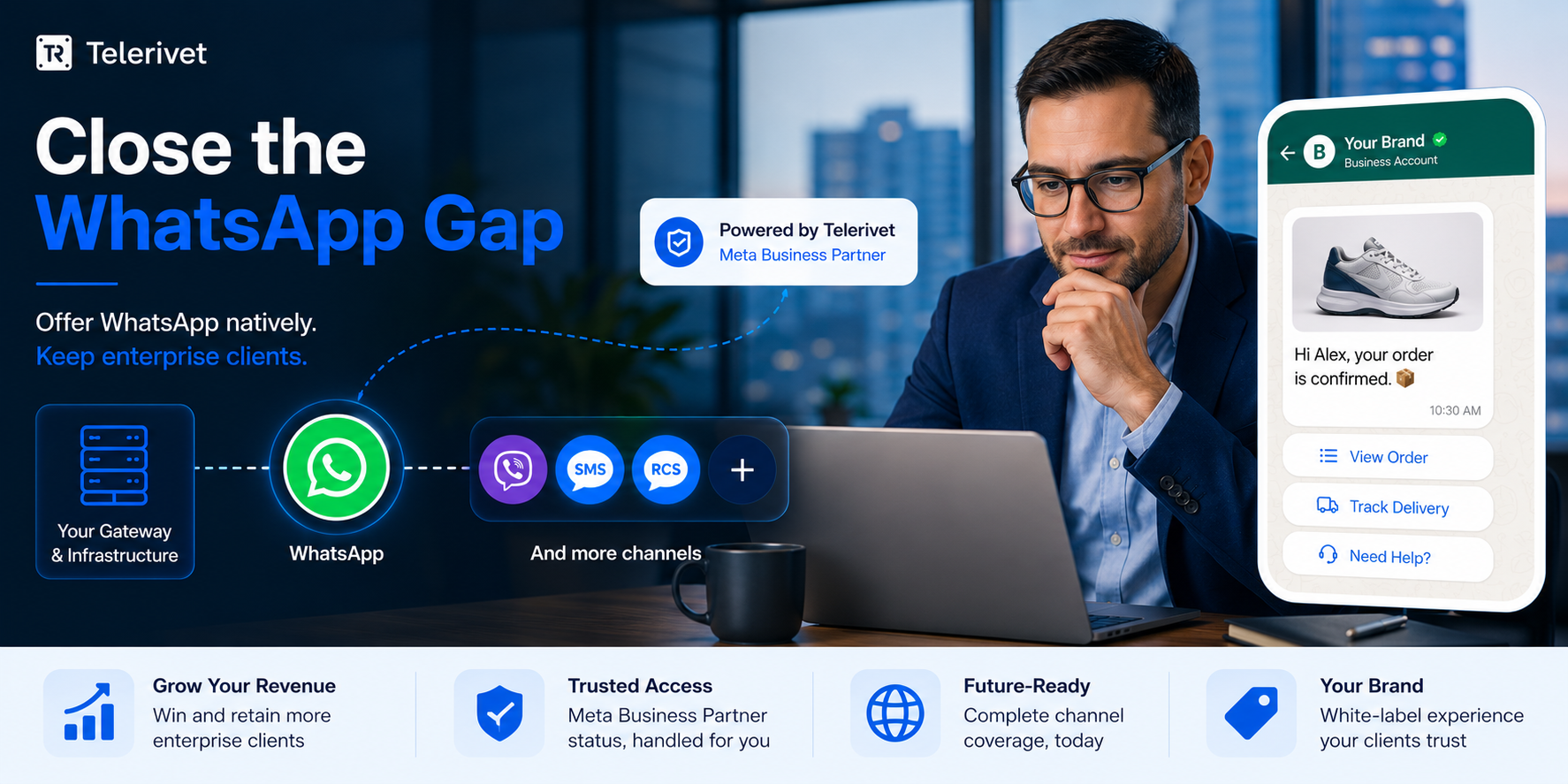
Your Clients Are Asking for WhatsApp Now. The Question Is What They'll Be Asking for Next.
Jul 12, 2026
Every SMS gateway operator and regional aggregator is having the same conversation with their enterprise clients right now. The client wants WhatsApp. They want to send order confirmations, run customer service, push payment reminders, and do it through the channel their customers actually have open. The operator has built a reliable SMS operation over years of carrier relationship work. But if the customer also asks for WhatsApp, they have nothing to offer..

Delivered Is Not the Same as Received: The Case for Acknowledgment-Based Alerting
Jul 11, 2026
Every operations lead has lived this conversation. The alert went out. The dashboard shows delivered. And the driver, the field tech, the miner or the borrower says, with complete sincerity, that they never got the message. Both sides are telling the truth, because "delivered" and "received" describe two different events, and the gap between them is where incidents, missed payments, and failed audits live.
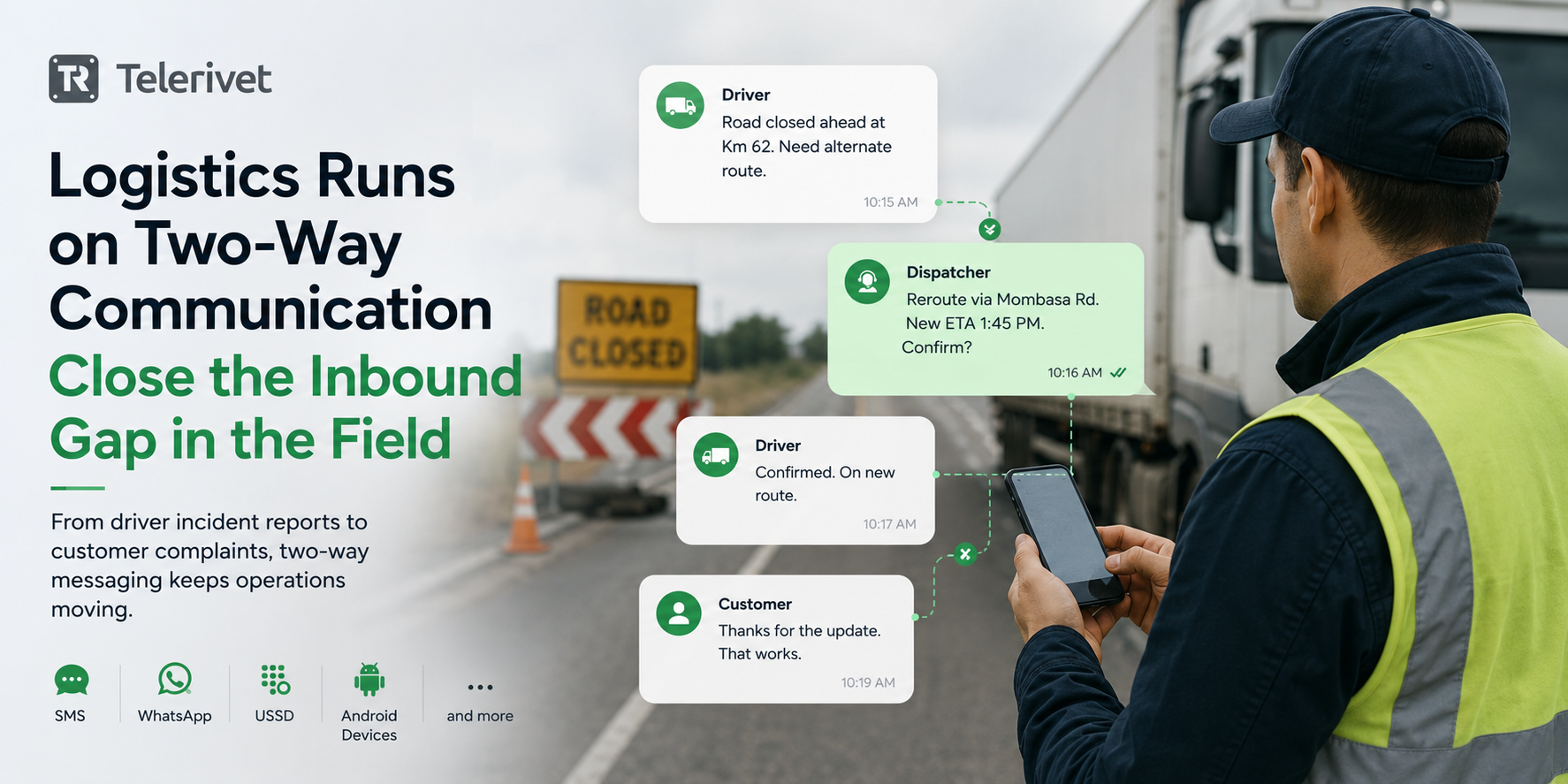
When the Field Needs to Reach You: Inbound Communication for Logistics Operations
Jul 10, 2026
Inbound communication in logistics is the system that handles messages originating from drivers, agents, and field personnel, exception reports, route change requests, delivery confirmations, and status updates, and routes them to the right person or automated workflow in real time. Most logistics communication systems are designed for outbound: dispatch instructions go out to drivers, delivery windows go out to customers. The inbound half, what happens when the field needs to reach the center, is the part that breaks under operational pressure..
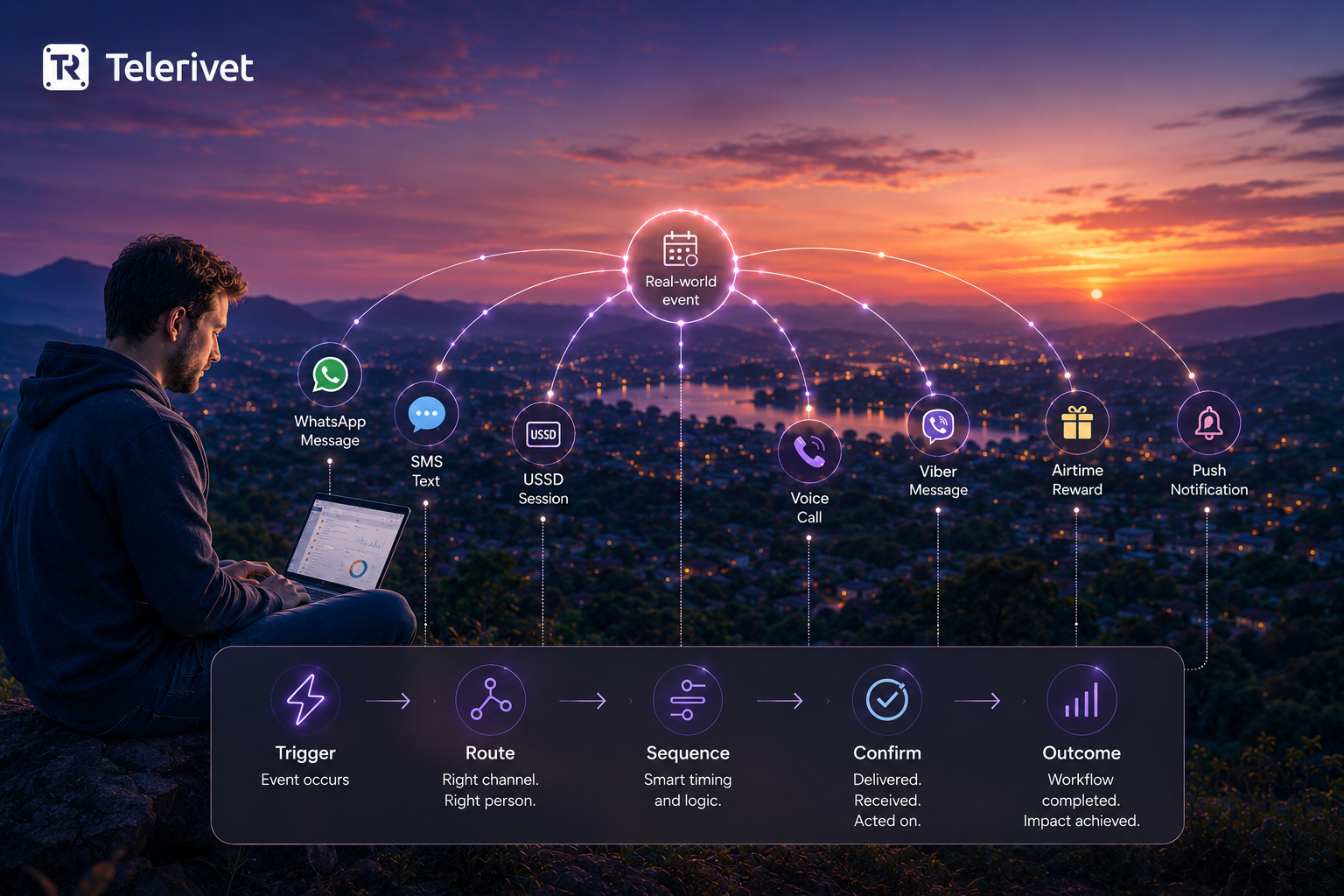
What Is Communication Orchestration? A Practical Definition
Jul 9, 2026
Communication orchestration is the design and automation of how messages are initiated, routed, sequenced, and confirmed across channels based on operational triggers, recipient context, and real-world outcomes.
It is not about which channels an organization uses. It is about the logic that decides when a message is sent, to whom, through what channel, and what happens next depending on whether it lands. Most organizations that start thinking about communication orchestration get stuck on the wrong question. They ask: which channels should we be using? They add WhatsApp alongside SMS. They add voice as a fallback. They document a stack and call it a strategy..
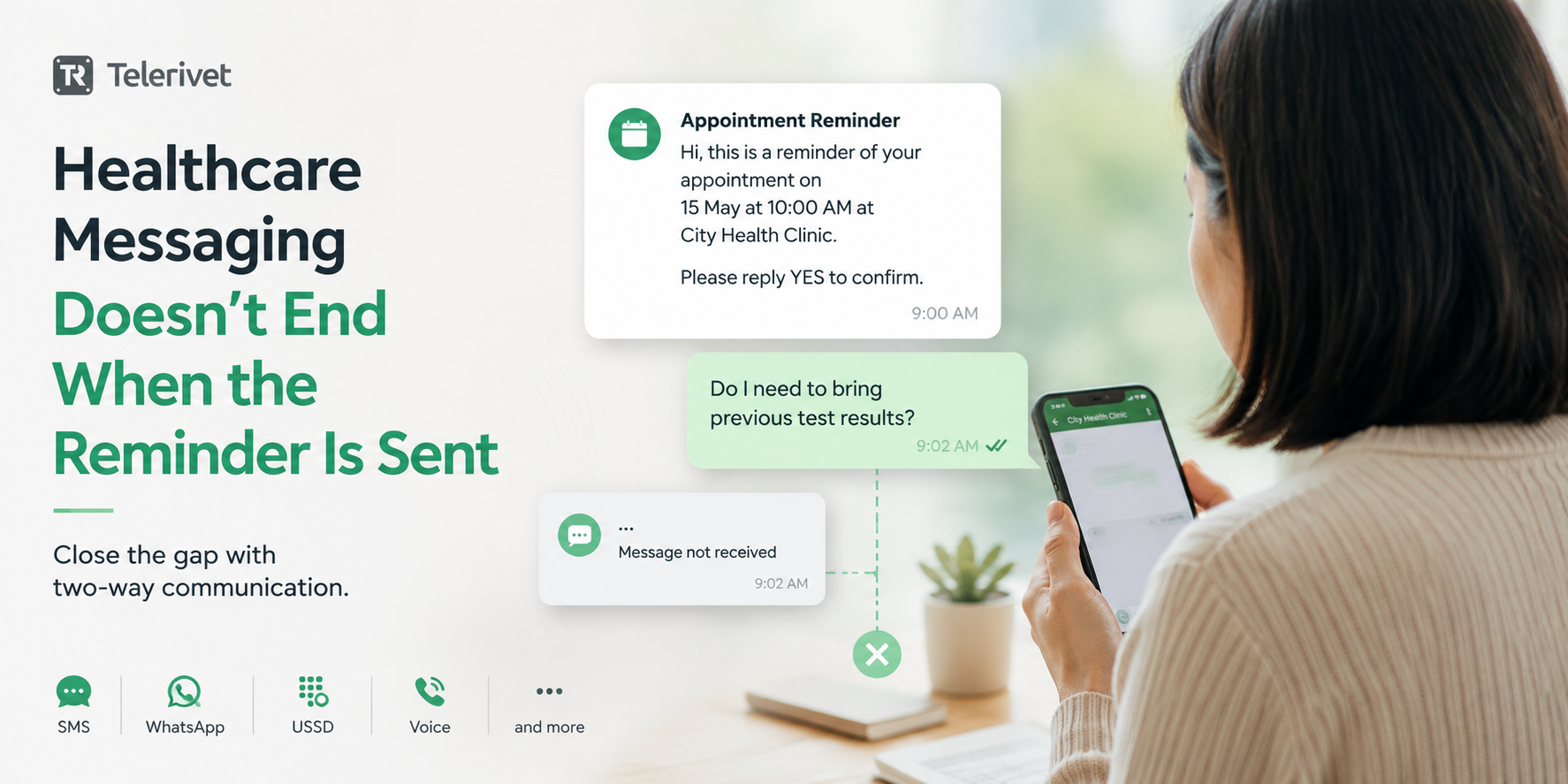
When a Patient Has a Question: Two-Way Messaging for Healthcare and Clinical Programs
Jul 6, 2026
Two-way messaging in healthcare is a communication setup that handles both outbound patient messages, appointment reminders, medication alerts, discharge instructions, and inbound patient responses: questions, confirmations, cancellations, and requests for callbacks. Most health programs invest heavily in the outbound half and ignore the inbound half. The result is a system that communicates at patients rather than with them, and misses the response signal that often predicts whether the patient will actually show up.
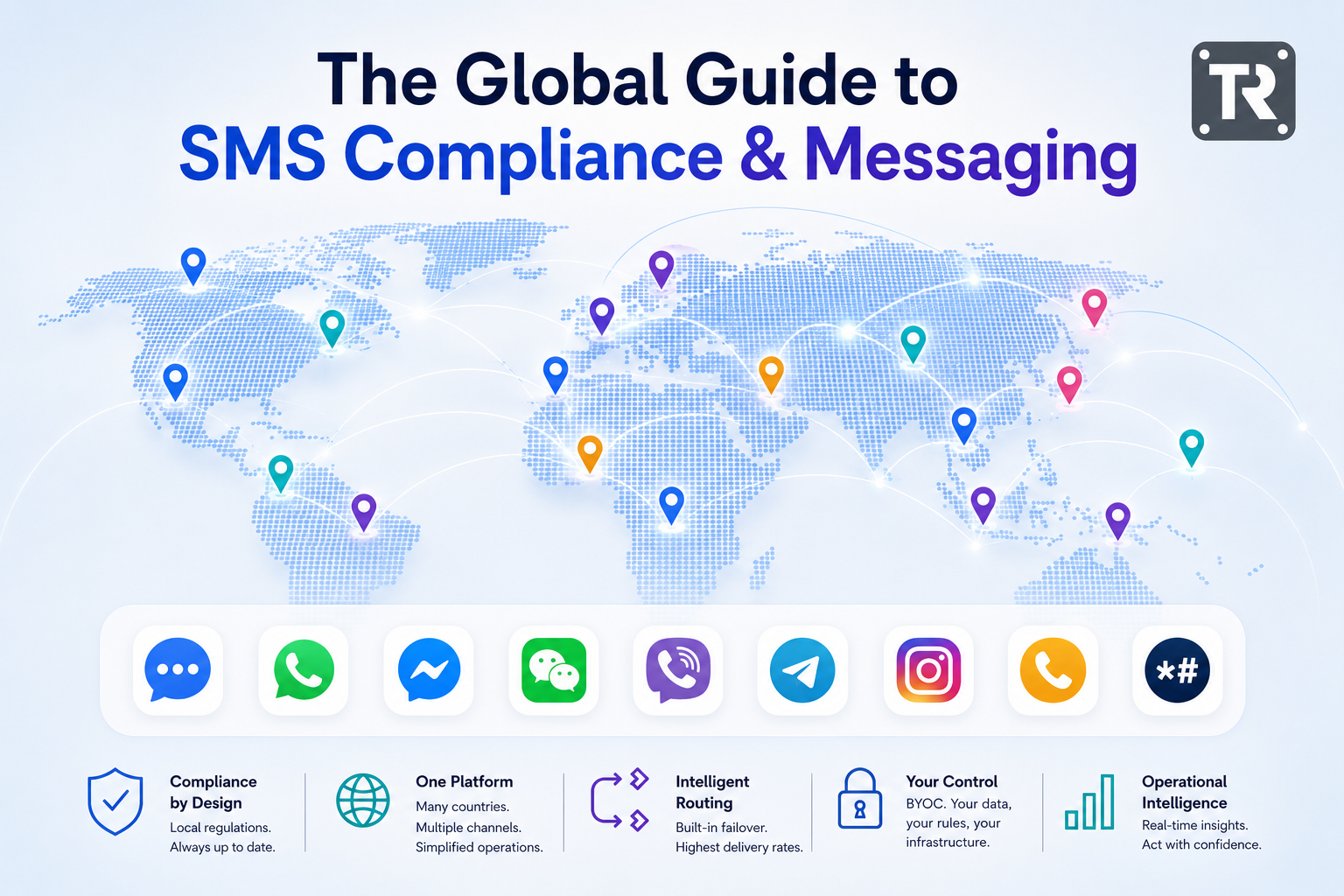
SMS Regulations by Country: The Global Compliance and Operational Architecture Guide
Jul 5, 2026
Most SMS programs that fail internationally do not fail because someone broke a law. They fail because a team designed a workflow for one market, assumed the architecture transferred, and discovered too late that it did not. Two-way SMS is unavailable for standard A2P channels in six of the markets covered in this guide. Japan's major carriers aggressively filter URLs in SMS. Mexico replaces every branded sender name with a short code. The UAE mandates an "AD-" prefix on every promotional sender ID or the message fails. Vietnam requires the brand name to appear in the message body itself, not just in the sender field. None of these are obscure edge cases. They are the standard operating environment in those markets.
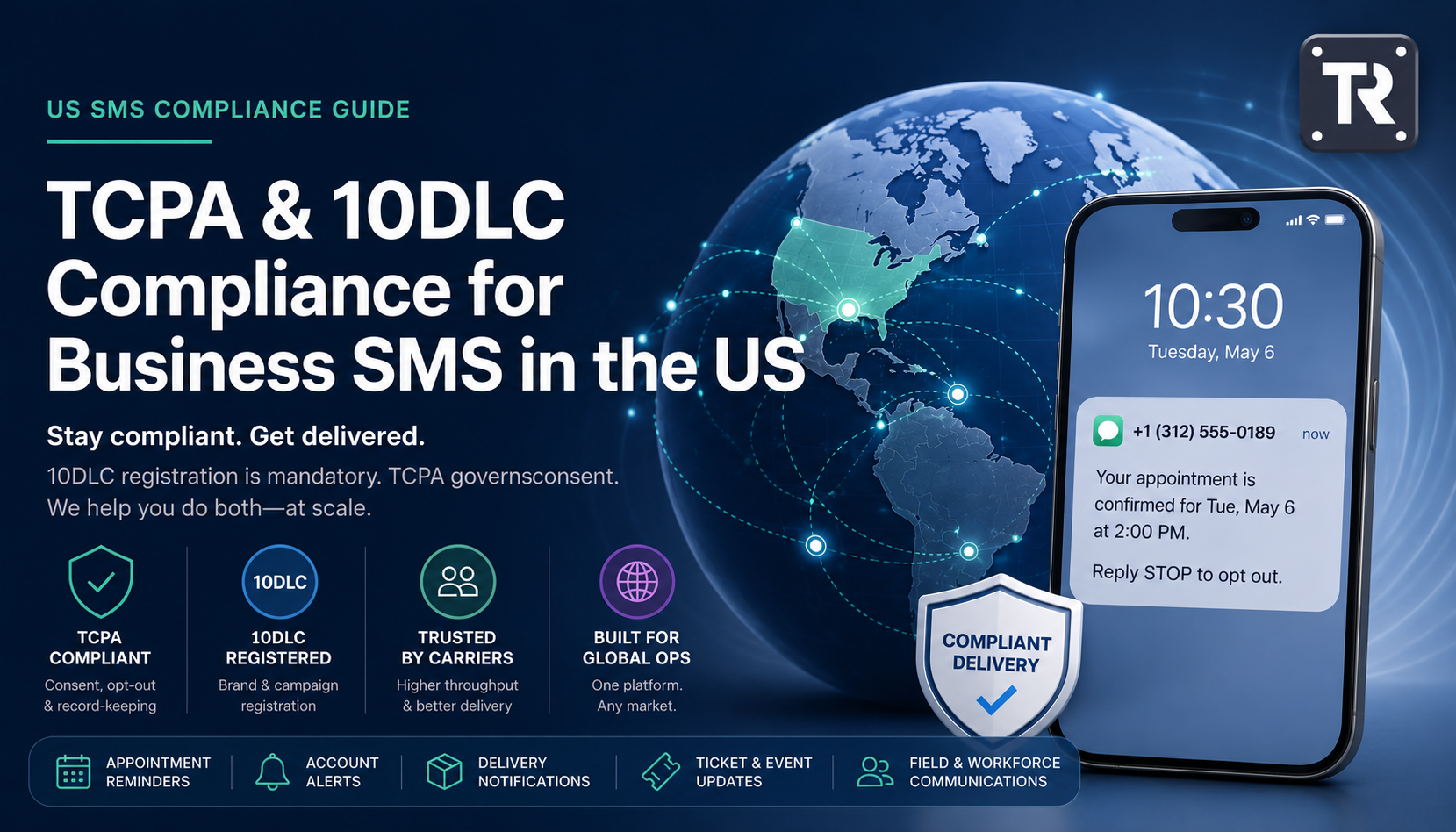
Business SMS in the United States: TCPA, 10DLC, and Building Operational Messaging Programs
Jul 4, 2026
Your SMS program is failing in the US in one of two ways, and often both simultaneously. The first is compliance failure: messages sent without proper consent, numbers not registered under 10DLC, campaigns that look identical to marketing even though they are not. The second is architectural failure: programs designed as marketing broadcasts trying to do the job of operational messaging, built on tools that cannot handle the verification, acknowledgment, and two-way logic that operational programs require.