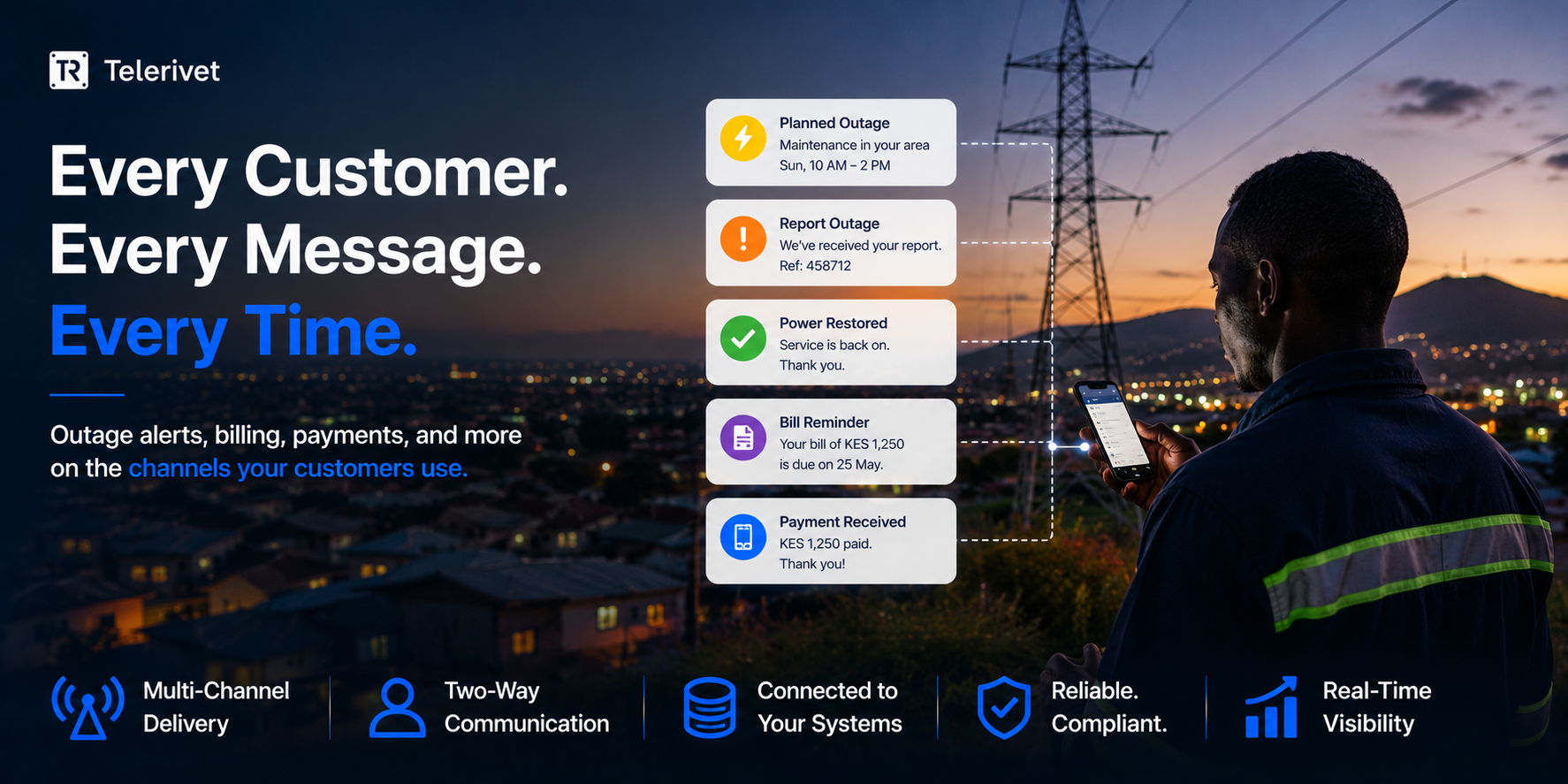
In Kenya, planned power interruptions are published as formal notices listing affected markets, schools, and villages by name, and customers are directed to the website, social media, or the newspaper to find them. The gap is real enough that independent apps exist purely to convert those notices into phone alerts. The utility holds the meter records and the phone numbers. Someone else does the notifying.
Pillar Post
Delivered Is Not the Same as Received: The Case for Acknowledgment-Based Alerting
Every operations lead has lived this conversation. The alert went out. The dashboard shows delivered. And the driver, the field tech, the miner or the borrower says, with complete sincerity, that they never got the message. Both sides are telling the truth, because "delivered" and "received" describe two different events, and the gap between them is where incidents, missed payments, and failed audits live.
SMS Regulations by Country: The Global Compliance and Operational Architecture Guide
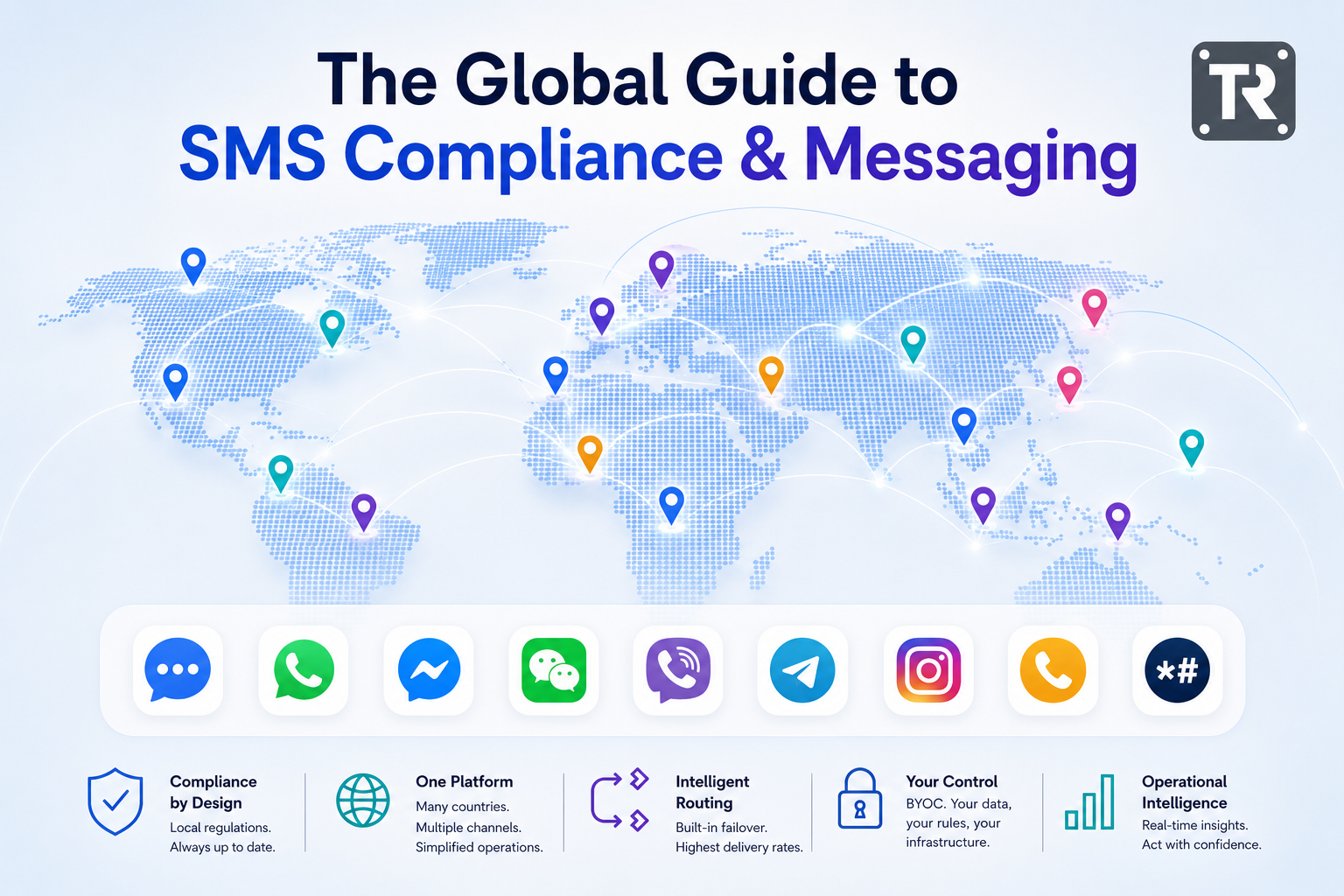
Most SMS programs that fail internationally do not fail because someone broke a law. They fail because a team designed a workflow for one market, assumed the architecture transferred, and discovered too late that it did not. Two-way SMS is unavailable for standard A2P channels in six of the markets covered in this guide. Japan's major carriers aggressively filter URLs in SMS. Mexico replaces every branded sender name with a short code. The UAE mandates an "AD-" prefix on every promotional sender ID or the message fails. Vietnam requires the brand name to appear in the message body itself, not just in the sender field. None of these are obscure edge cases. They are the standard operating environment in those markets.
How Auto and EV Brands Use WhatsApp, SMS to Communicate Across the Customer Journey
Automotive and EV brands in markets across Southeast Asia, South Asia, and Africa use WhatsApp and SMS to manage communication across a customer journey that spans months: from initial inquiry through test drive, purchase, delivery, and ongoing ownership. The communication requirement at each stage is different, lead qualification looks nothing like service reminders, and the channel mix shifts depending on where the customer is in the journey and what device and connectivity environment they are in.
You Own the Route. You're Missing the Platform
The operators who have what global messaging platforms spend years and hundreds of millions acquiring (direct carrier agreements, registered sender IDs, shortcodes, and trusted enterprise client relationships) are losing ground to those same platforms. Not because the platforms have better connectivity. They do not. In most markets, a local gateway operator or regional aggregator has cleaner routes, better deliverability, and stronger carrier relationships than any global platform could replicate from the outside..
Can Oracle Opera Integrate with WhatsApp, Viber, and SMS? A Guide for Hotel IT Managers
At most mid-size hotels in the Philippines, the property management system and the guest messaging operation exist in two entirely separate worlds. Oracle Opera holds the guest record. It has the name, the booking date, the check-in date, the room type, the contact number. But the moment a guest needs to be reached for a pre-arrival confirmation, a reservation reminder, an upsell offer, or an in-stay promotion then someone leaves Opera, opens WhatsApp on a phone, finds the guest's number, and writes a message manually.
OTP and Transactional SMS in the Philippines: What Banks, Lenders, and Fintechs Need to Know
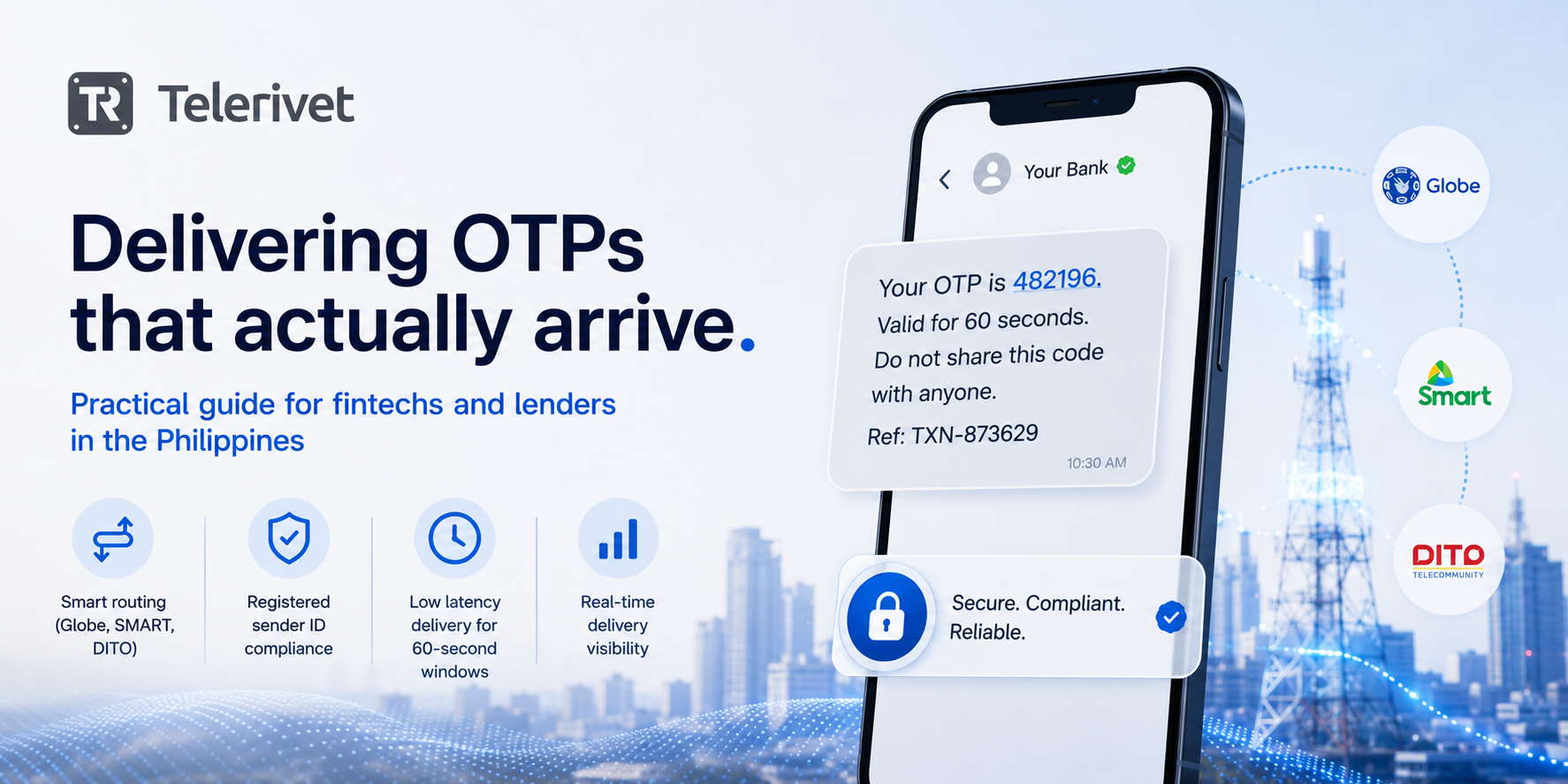
Transactional SMS in the Philippines refers to automated, triggered messages sent to an individual recipient as a direct result of an action they have taken: a login attempt, a transaction confirmation, a disbursement alert, or a payment notification, as distinct from promotional or marketing messages sent to a contact list. The distinction matters because transactional SMS is routed differently by Philippine telcos, priced differently, and regulated differently by the Bangko Sentral ng Pilipinas, especially with Circular 1213 in the picture now..
Running Multi-Country SMS Data Collection for Field Research
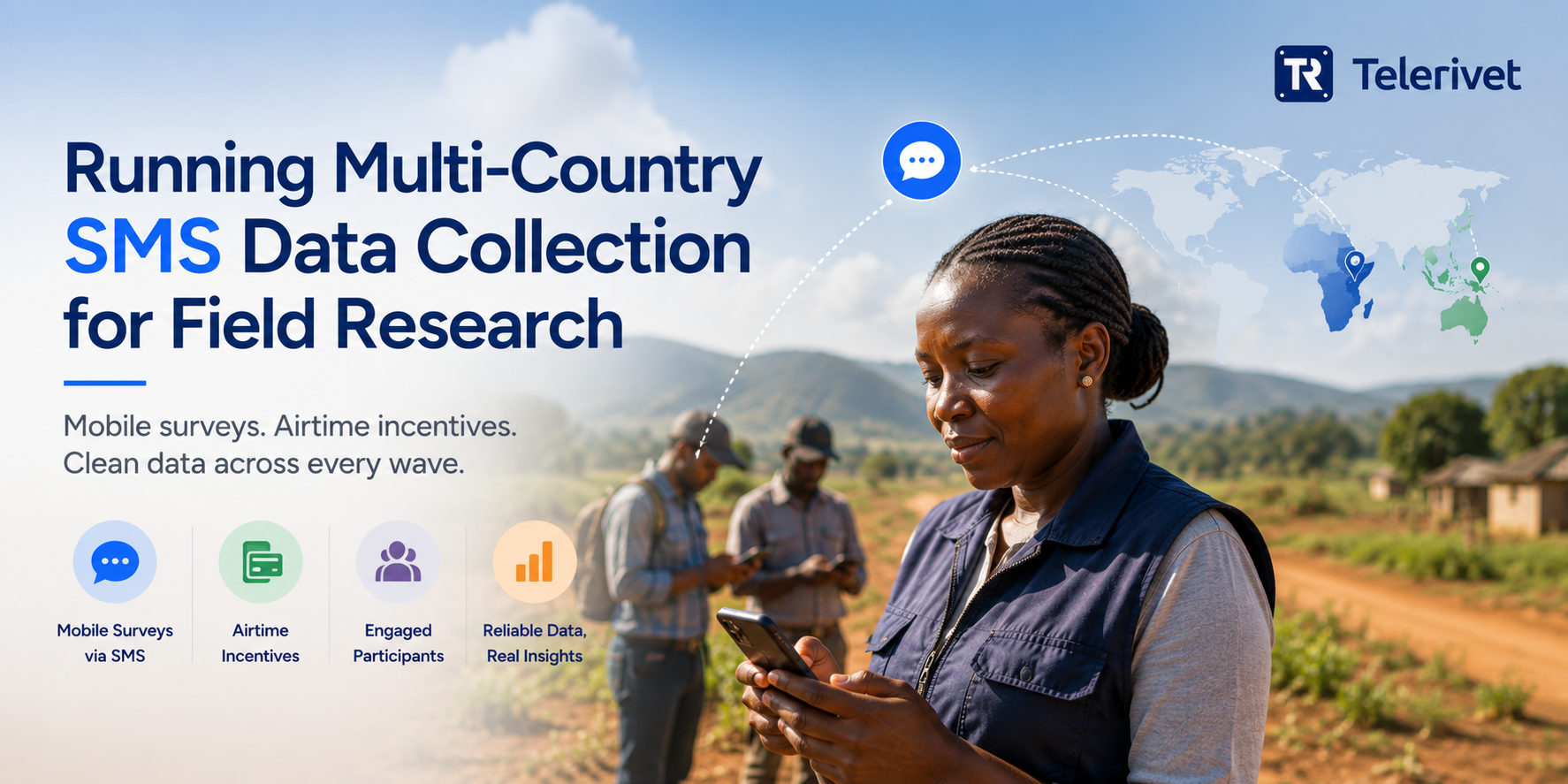
The six weeks between ethics approval and your first survey wave are a strange period. The instrument is ready. The participant list is built. The field logistics are locked. And someone still has to figure out how to actually reach 400 farmers in western Kenya and northern Tanzania on a regular basis for the next 18 months, ask them structured questions, pay them something for their time, and bring back data clean enough to analyze.