What Campaigns Are in Telerivet
A campaign is a coordinated set of messages sent to a specific audience with a clear purpose. It can be a single broadcast or a sequence that runs on its own.
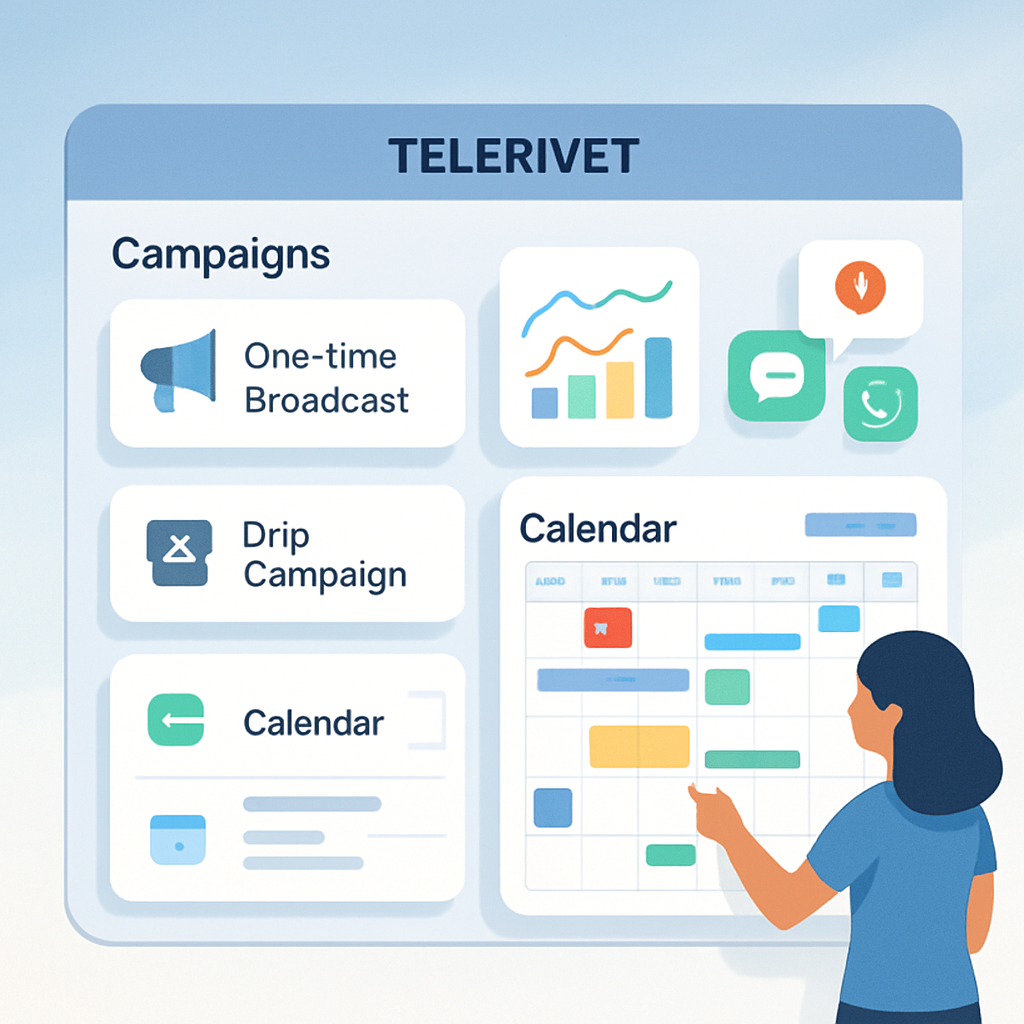
A campaign is a coordinated set of messages sent to a specific audience with a clear purpose. It can be a single broadcast or a sequence that runs on its own.
IVR (Interactive Voice Response) is a phone system technology that uses automated voice menus to interact with callers, letting them route themselves to the right department, provide information, or complete transactions without speaking to a live agent. It works via keypad input ("press 1 for billing") or voice recognition, and operates 24/7 regardless of call volume. Unlike SMS or WhatsApp, IVR requires no smartphone, no internet, and no app, making it a critical channel for reaching populations where data access is limited or unreliable. Effective IVR is a pathway to maximum engagement at scale. Poorly implemented IVR, however, can damage your brand and customer trust.
It’s a superpower - but with great power comes great responsibility.
Where to start with cloud communication?
Cloud communication can mean a vast range of things.
To help clear things up for you, we’re going to break cloud communication up into a series of use cases and provide a recommended tool for each.
In this Telerivet article, we’ll cover:
As programs expand across regions, channels, and teams, automation needs to do more than fire off a reply. It needs to coordinate journeys, apply the right logic, respect consent, and adapt to real world conditions.
This is where Automated Services come in. A Service brings structure to the moments when people interact with your organization. It helps your system decide what should happen, when it should happen, and who it should happen for.
SMS is a universal text messaging standard supported on every mobile device, on any network, with or without internet access. RCS (Rich Communication Services) is its successor - it supports images, read receipts, branded sender profiles, and interactive buttons, but requires Android, internet connectivity, and carrier-level RCS enablement.
Should you use RCS or SMS when leveraging connectivity solutions to communicate with your customers? For most businesses operating globally, the answer is not either/or: SMS provides the reliable baseline, and RCS adds richness where it is supported. In markets across Africa, Southeast Asia, and Latin America, SMS remains the more consistent reach channel. Read on to understand why.
Connectivity completeness is the principle that a communication platform should be able to reach any recipient, on any channel, through any network without requiring the sender to manage that complexity. Routing decisions, fallback logic, and multi-network coverage are handled at the platform level. The operator decides who needs to receive a message and what it should say. The platform determines how to get it there.
Telerivet offers a complete connectivity solution for organizations to communicate in real time with customers, stakeholders, or staff anywhere in the world with an unmatched choice of providers.

Most messages fail because they feel like they were written for everyone. People tune out anything that looks generic, automated, or disconnected from their real needs. The fix is simple. A few small personalization tactics can make your messages feel human, intentional, and worth reading.
Companies and organizations are recognizing that SMS is transforming sales, marketing, and operations everywhere.
Two-way instant messaging with virtually every adult on the planet, in apps that everyone has in their phone, push notifications already enabled. If it was invented today, the hype would be sky high.
The challenge is how to use this channel well. The first step to leveraging SMS is to use the right tools for the job. A programmable SMS API provides a powerful and flexible way of incorporating SMS into your workflows and systems.
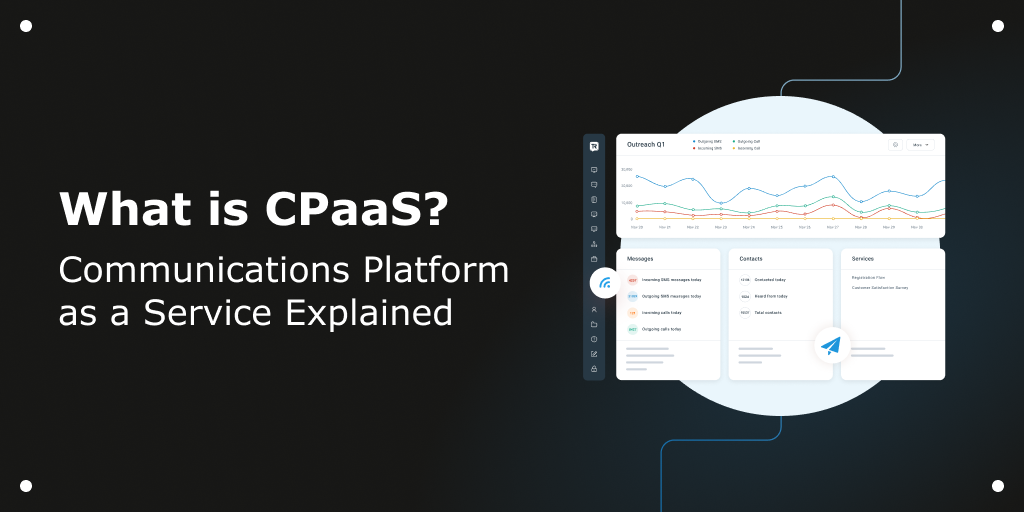
CPaaS (Communications Platform as a Service) is a cloud-based platform that provides communication APIs - typically for SMS, voice, chat apps allowing developers to embed messaging capabilities directly into their own applications without building carrier infrastructure from scratch. In is a developer-first model: the CPaaS provider manages delivery infrastructure and carrier connections; the customer builds the workflows and business logic on top. Understanding your cloud communication options can be confusing.
At Telerivet, we focus on delivering the messages that matter - so here we break down the key information you need to know about CPaaS and more.

Growing a healthy list is not about adding as many contacts as possible for SMS marketing. It is about building an audience that actually wants to hear from you and giving them simple ways to share what they care about.