Speed-to-lead in Philippine real estate refers to the time between a prospective buyer's inquiry and the developer's first substantive response. Research across markets consistently shows that lead conversion rates drop sharply when response time exceeds five minutes, and in a competitive condominium market with multiple developers running concurrent campaigns on the same portals and platforms, the developer who responds first wins the conversation.
Picture this- A prospective buyer submits an inquiry on a property portal at 3pm on a Saturday. They are looking at two condominiums from two developers. By Monday morning, one developer has responded twice: an immediate Viber message with a unit availability summary, then a follow-up that morning with a link to a virtual tour. The other developer sends an email at 9:15am Monday. By that point, the buyer is already scheduled for a site visit with the first developer.
SouthEast Asia
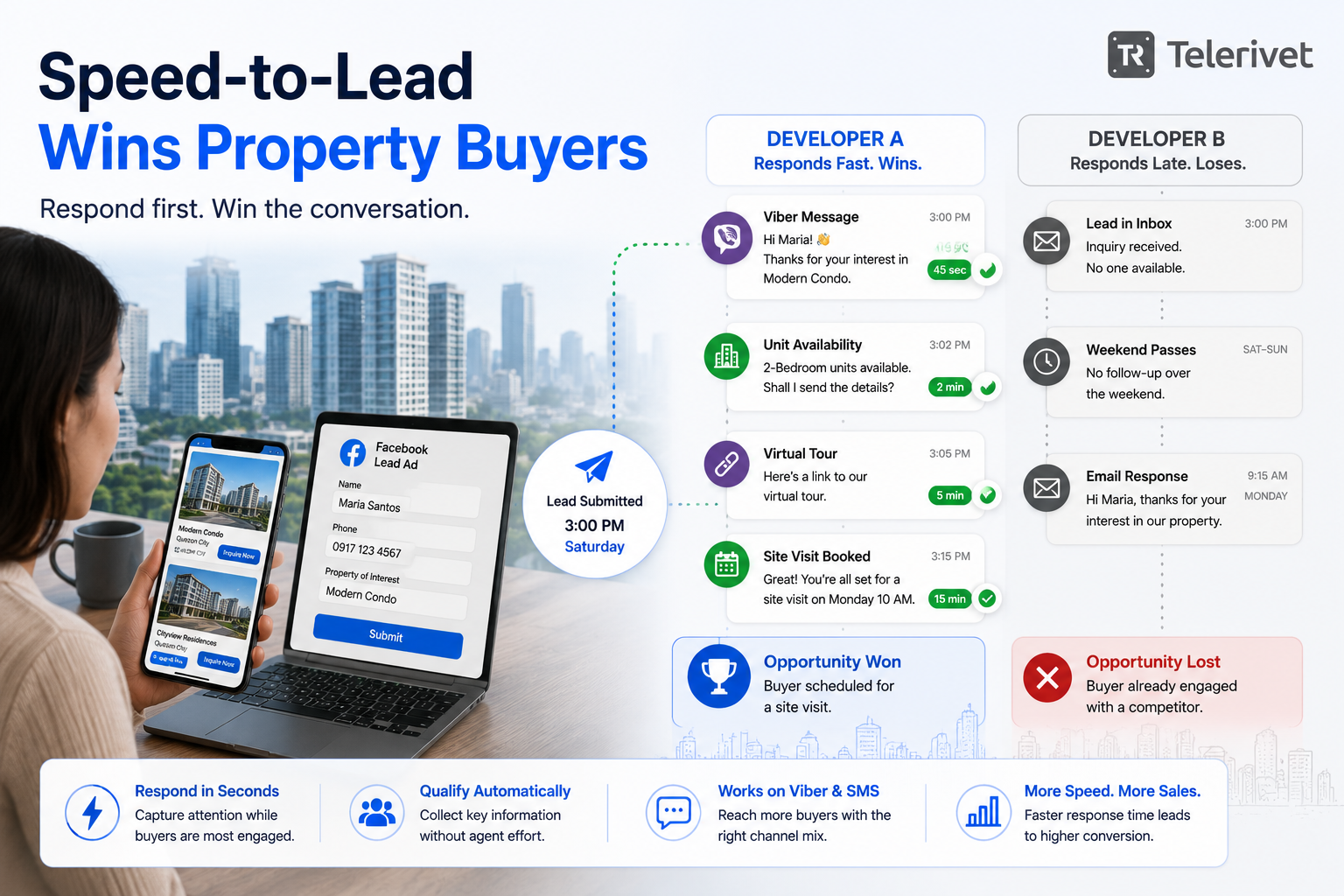
Why Philippine Property Developers Lose Leads Before Monday Morning
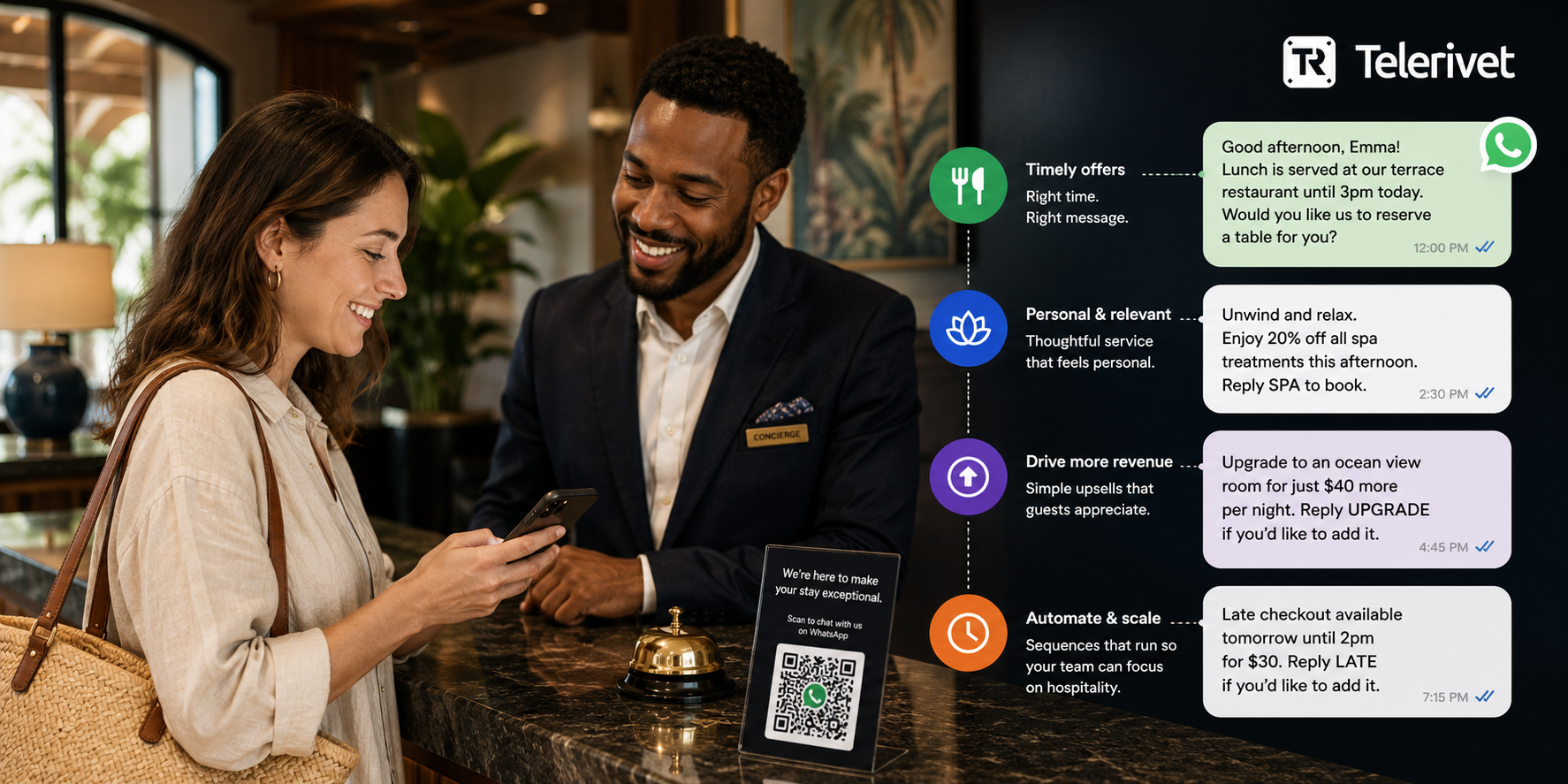
Why Hotel Pre-Arrival Guest Messaging in Southeast Asia Is Still a Manual Job
The window between a booking confirmation and a guest's check-in is one of the most valuable communication opportunities a hotel has. It is also, at most properties across the Philippines, Indonesia, Thailand, Vietnam, and Malaysia, managed almost entirely manually. The same pattern holds at independent and mid-size hotels in Kenya, Tanzania, South Africa, and across much of East and Southern Africa. It likely holds across rest of APAC, EMEA and Americas too.

Can Oracle Opera Integrate with WhatsApp, Viber, and SMS? A Guide for Hotel IT Managers
At most mid-size hotels in the Philippines, the property management system and the guest messaging operation exist in two entirely separate worlds. Oracle Opera holds the guest record. It has the name, the booking date, the check-in date, the room type, the contact number. But the moment a guest needs to be reached for a pre-arrival confirmation, a reservation reminder, an upsell offer, or an in-stay promotion then someone leaves Opera, opens WhatsApp on a phone, finds the guest's number, and writes a message manually.
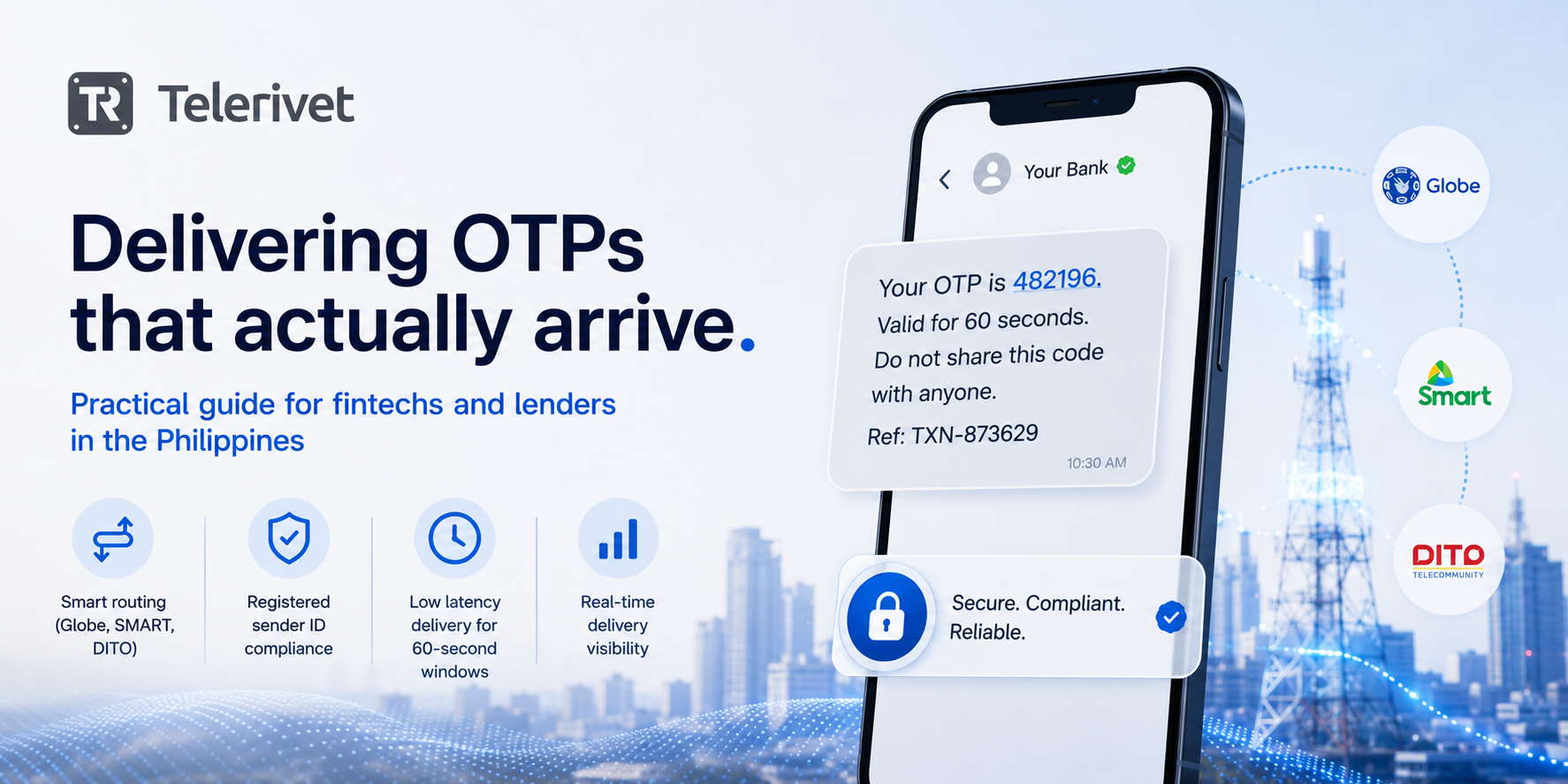
OTP and Transactional SMS in the Philippines: What Banks, Lenders, and Fintechs Need to Know
Transactional SMS in the Philippines refers to automated, triggered messages sent to an individual recipient as a direct result of an action they have taken: a login attempt, a transaction confirmation, a disbursement alert, or a payment notification, as distinct from promotional or marketing messages sent to a contact list. The distinction matters because transactional SMS is routed differently by Philippine telcos, priced differently, and regulated differently by the Bangko Sentral ng Pilipinas, especially with Circular 1213 in the picture now..
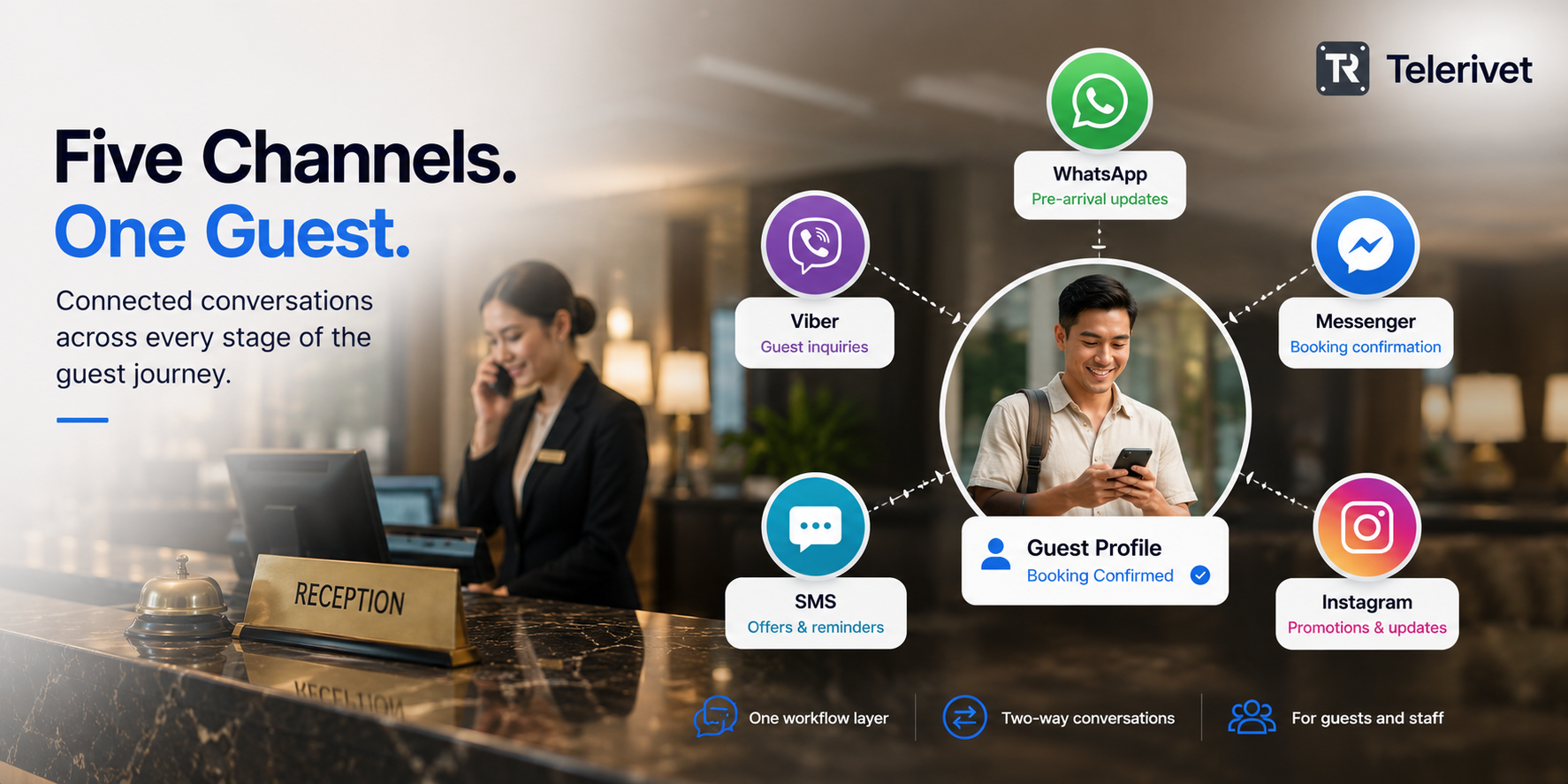
Your Guests Are on Five Channels. Your Workflows Are on None.
Hotel guest messaging refers to the automated and manual communication between a property and its guests across channels including WhatsApp, Viber, SMS, Instagram, Facebook Messenger. Effective hotel guest messaging connects these channels to a shared workflow layer so that booking events, modifications, and guest requests trigger coordinated communication across staff and guests simultaneously, rather than being handled manually on separate devices..
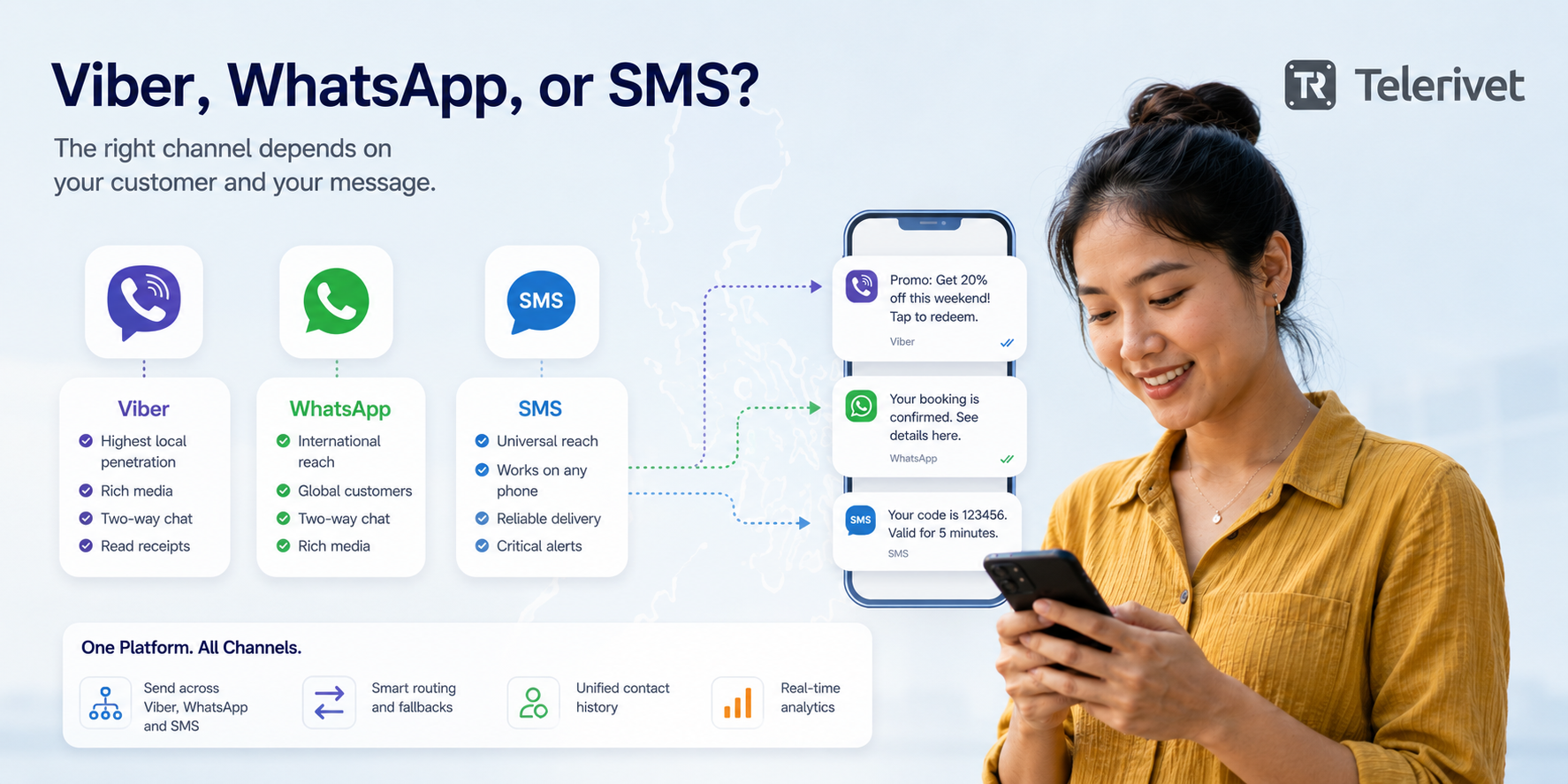
Viber, WhatsApp, or SMS? A Channel Guide for Philippine Businesses
The right answer to which channel a Philippine business should use is: it depends on who you are reaching, what kind of message you are sending, and what happens if that message does not get through. This guide covers the practical differences between Viber, WhatsApp, and SMS in the Philippine context, and explains why most businesses end up running all three.
Sending SMS in Indonesia: Kominfo Registration, UU PDP, and Why Grey Routes Are Getting Shut Down
Indonesia has one of the highest A2P SMS fraud rates in Southeast Asia. That is not a background detail. It is the reason why Kominfo, Indonesia's Ministry of Communication and Digital Affairs, works alongside the country's mobile operators to actively filter, block, and shut down traffic that does not run through approved channels. If your SMS program in Indonesia is delivering today but has not been registered properly, it is operating on borrowed time.
Business SMS in Thailand: NBTC, the Dual-Channel Reality, and Why Thai Hospitality Programs Need Two Messaging Strategies
A hotel group operating in Phuket, Koh Samui, and Chiang Mai has a messaging problem that most platforms do not design for. Its Thai guests expect to hear from it on LINE, Thailand's dominant super-app with approximately 56 million monthly active users and an open rate for business messages that exceeds 90%. Its international guests, arriving from Europe, Australia, China, the Middle East, and North America, expect WhatsApp, the app that was on their phone long before they landed in Thailand. SMS sits underneath both as the guaranteed-delivery layer for OTPs, booking confirmations, and critical operational alerts. And since October 2025, the National Broadcasting and Telecommunications Commission (NBTC) has required operators to flag international SMS with an alert symbol before delivery, which means unregistered international SMS increasingly arrives looking like a potential scam warning rather than a trusted hotel confirmation.
Business SMS in Vietnam: MIC Compliance, the Brand Name Rule, and Why Zalo Changes Things
Since August 12, 2024, every business SMS sent in Vietnam must include the organization's brand name or application name in the message body itself, and that name must match the registered alphanumeric sender ID exactly. Not in the sender field alone, which is how every other market in this compliance series handles brand identification, but in the body of the message, as a mandatory line of content. A hotel sending a booking confirmation, an agricultural program sending a field update, a logistics company sending a delivery alert: all of them must open each message with the brand identifier that matches the registered sender name, every time.