This is a pattern that repeats across organizations running communication programs at scale. A decision-maker approves the investment, watches the first two quarters, concludes that the returns are thin, and makes one of two moves: they scale back the program, or they switch vendors and start over. Both moves are the same mistake. Both are stepping off the curve right before it turns.
Cross-Industry

The Flat Part of the Curve: What Buyers Miss About Messaging ROI
Aug 31, 2026
The part almost everyone misses about exponential curves is that for most of their length, they look like nothing is happening. The early stretch of a real compounding curve is nearly flat, indistinguishable from going nowhere.
Business messaging ROI works the same way: a communication program that is building genuine operational value will appear to underperform for months before the returns become visible.
That flatness is exactly why compounders get underestimated, including by themselves, right up until the bend.
Read more »
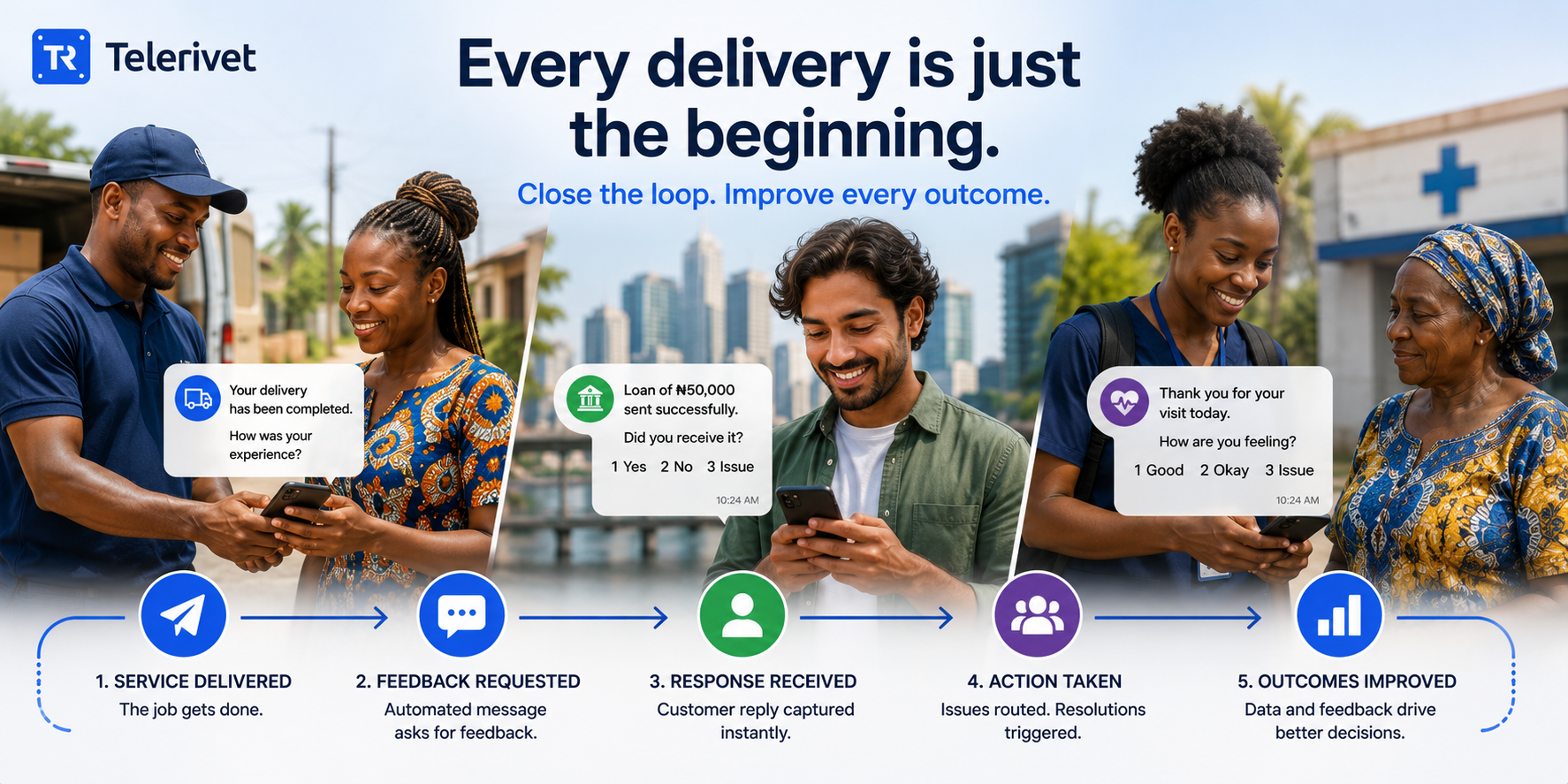
The Delivery Was the Easy Part: Why the Feedback Loop Is the Workflow That Gets Skipped
Aug 13, 2026
A post-service feedback workflow is the structured sequence of communication that runs after a service event to confirm delivery, capture the recipient's experience, and route any follow-up action to the right team. It is not a survey. It is not a customer experience research function. It is the final stage of the workflow itself, and in most organizations it is missing.

How to Capture and Qualify Leads at an Auto Show via WhatsApp
Jul 28, 2026
WhatsApp lead capture at an auto show is the use of a QR code or short number displayed at a brand stand to initiate a WhatsApp conversation with a visitor, collecting contact details, qualifying interest, and routing the lead to the right follow-up workflow, all without paper forms or manual data entry. The operational advantage is that the lead exists in a structured, actionable format before the visitor has left the floor. The most common alternative, collecting paper forms and entering them manually after the event, loses between 20% and 40% of leads to illegible handwriting, incomplete entries, or delayed follow-up..
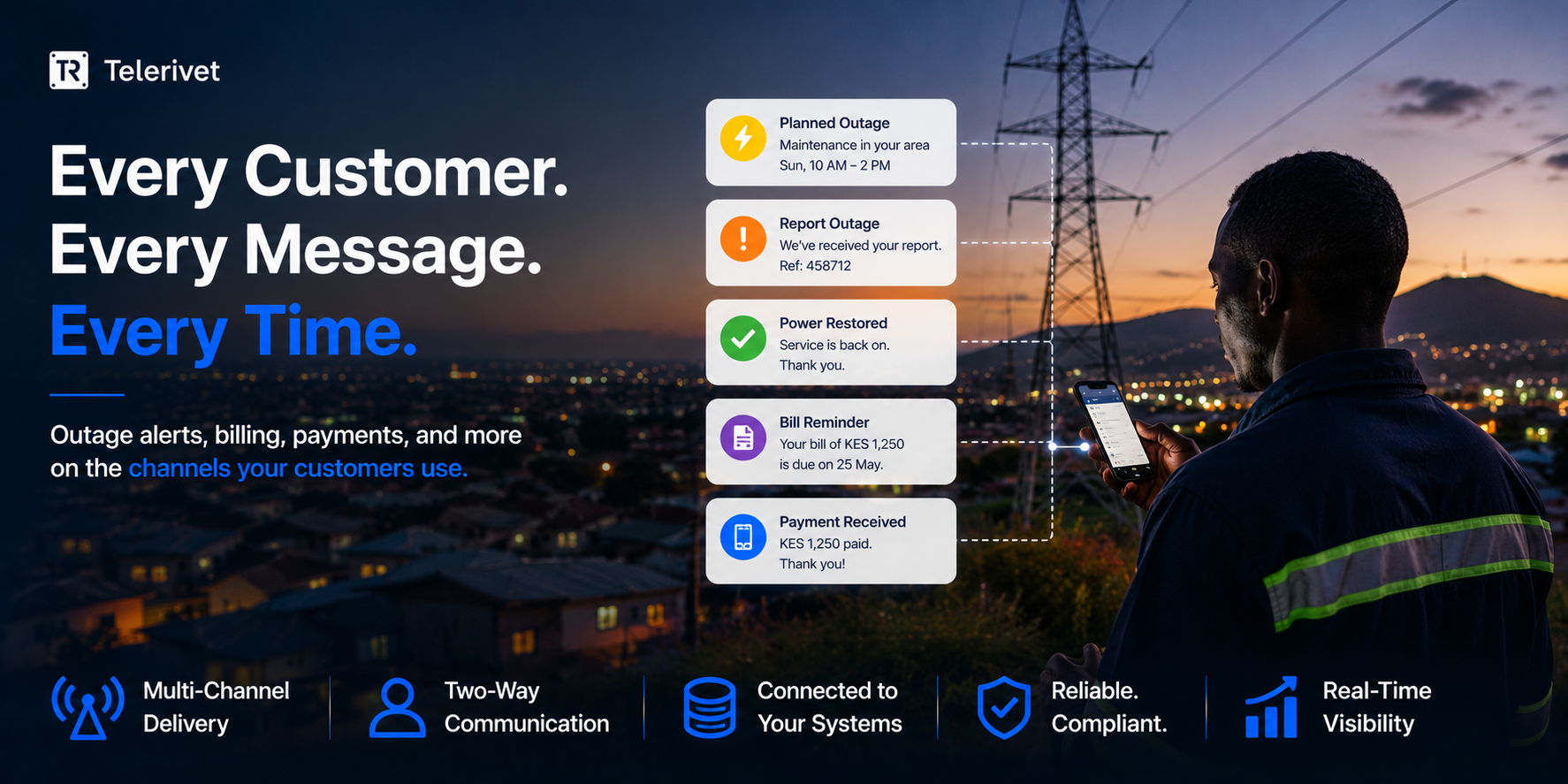
When a Third-Party App Knows About the Outage Before Your Customers Do
Jul 21, 2026
In Kenya, planned power interruptions are published as formal notices listing affected markets, schools, and villages by name, and customers are directed to the website, social media, or the newspaper to find them. The gap is real enough that independent apps exist purely to convert those notices into phone alerts. The utility holds the meter records and the phone numbers. Someone else does the notifying.
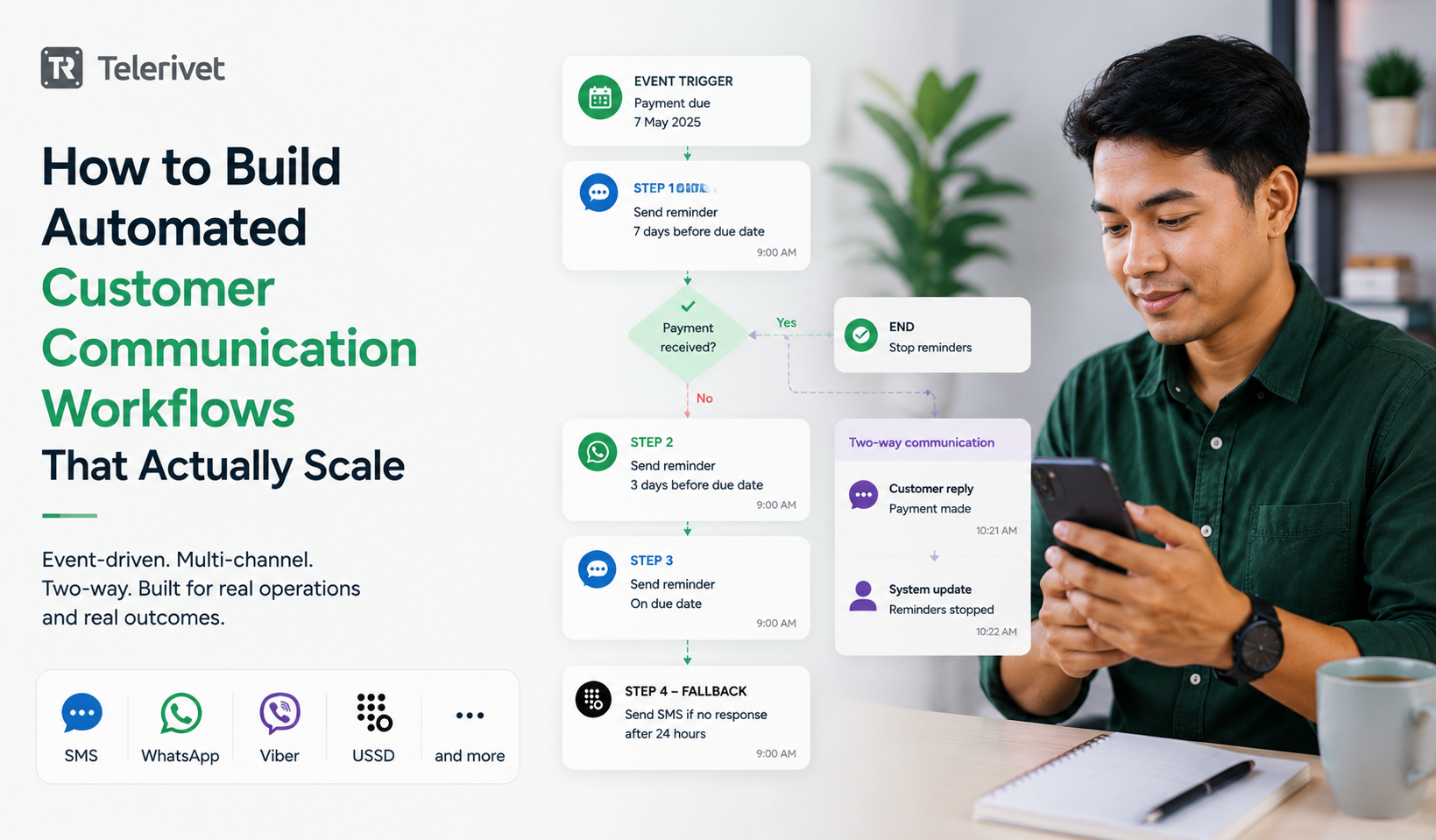
How to Build Automated Customer Communication Workflows That Actually Scale
Jul 16, 2026
An automated customer communication workflow is a set of triggered, conditional messaging rules that runs without manual intervention - sending the right message, to the right recipient, through the right channel, at the right moment, and adjusting based on what happens next. The word "automated" is the easy part. The hard part is "scale", building workflows that stay reliable and maintainable as recipient volume, market count, and message complexity grow.
A payment reminder sent three days late does not prevent a missed payment. An appointment confirmation that lands on the wrong channel does not reduce no-shows. A delivery notification triggered by the wrong system event is worse than no notification at all.The operational problem most organizations are actually solving is not whether to use SMS or WhatsApp. It is how to build communication workflows that run reliably, adapt to real-world conditions, and stay consistent as customer volume grows, without requiring a technical team to maintain them every week.
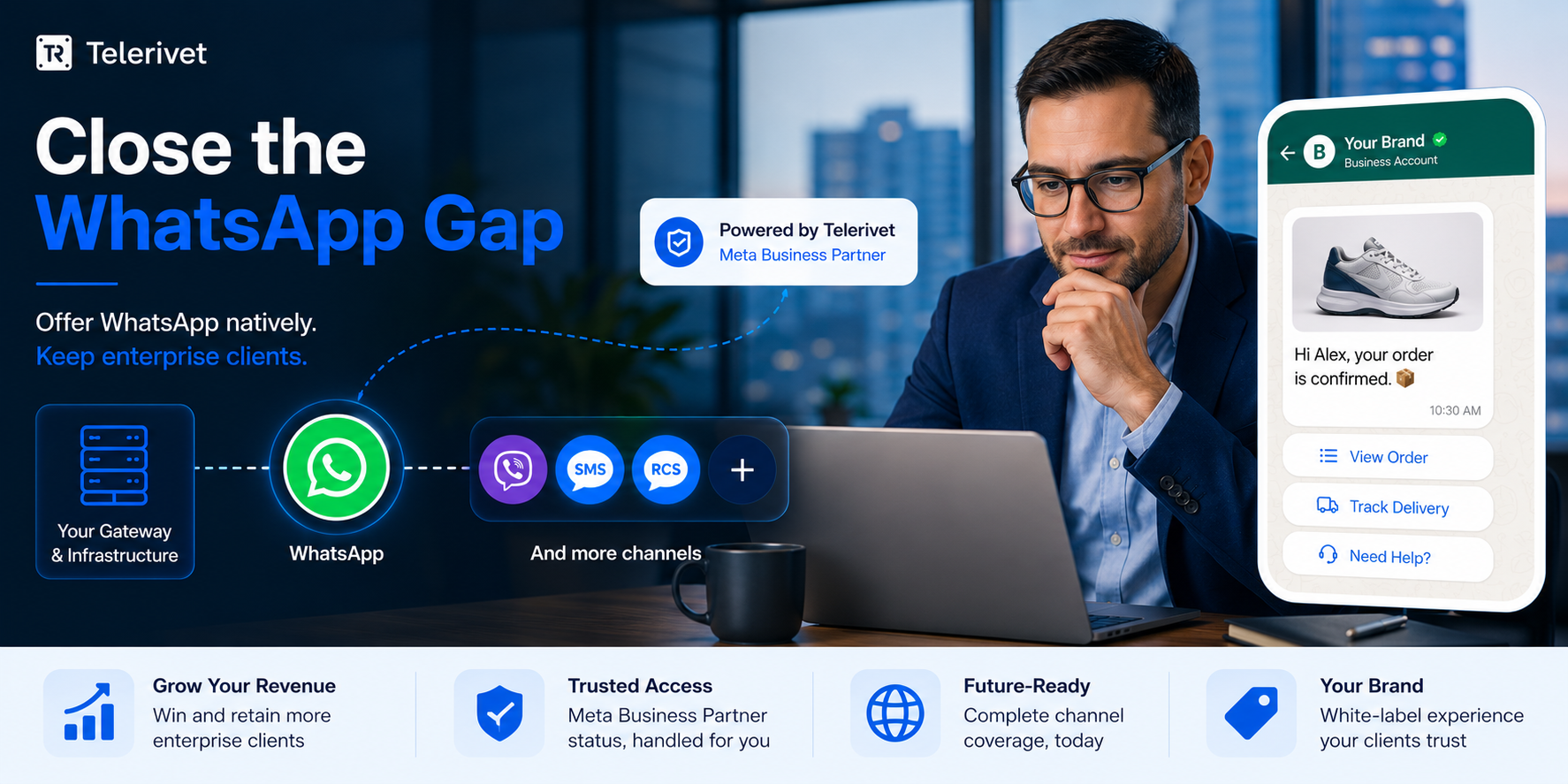
Your Clients Are Asking for WhatsApp Now. The Question Is What They'll Be Asking for Next.
Jul 12, 2026
Every SMS gateway operator and regional aggregator is having the same conversation with their enterprise clients right now. The client wants WhatsApp. They want to send order confirmations, run customer service, push payment reminders, and do it through the channel their customers actually have open. The operator has built a reliable SMS operation over years of carrier relationship work. But if the customer also asks for WhatsApp, they have nothing to offer..

Delivered Is Not the Same as Received: The Case for Acknowledgment-Based Alerting
Jul 11, 2026
Every operations lead has lived this conversation. The alert went out. The dashboard shows delivered. And the driver, the field tech, the miner or the borrower says, with complete sincerity, that they never got the message. Both sides are telling the truth, because "delivered" and "received" describe two different events, and the gap between them is where incidents, missed payments, and failed audits live.
What Is Communication Orchestration? A Practical Definition
Jul 9, 2026
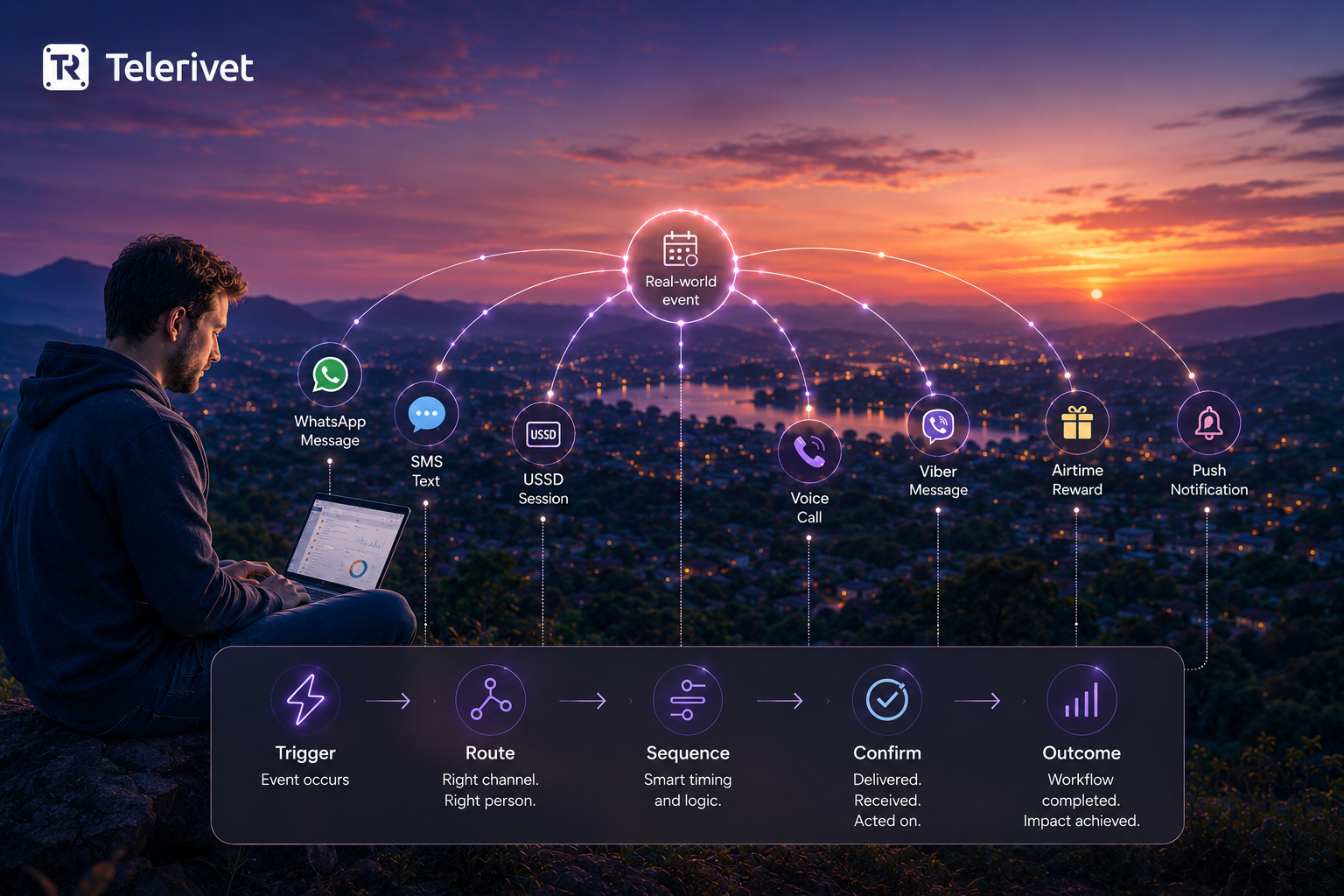
Communication orchestration is the design and automation of how messages are initiated, routed, sequenced, and confirmed across channels based on operational triggers, recipient context, and real-world outcomes.
It is not about which channels an organization uses. It is about the logic that decides when a message is sent, to whom, through what channel, and what happens next depending on whether it lands. Most organizations that start thinking about communication orchestration get stuck on the wrong question. They ask: which channels should we be using? They add WhatsApp alongside SMS. They add voice as a fallback. They document a stack and call it a strategy..
Multichannel Messaging Strategy: What Your Channel Assumptions Are Costing You
Jul 8, 2026
A multichannel messaging strategy is a plan for how a business reaches its recipients across more than one communication channel (SMS, WhatsApp, voice, USSD, Viber etc) and how it decides which channel to use, when, and for whom. Most organizations have multiple channels available. Fewer have thought through the routing logic: what happens when one channel fails, which channel is actually right for which recipient, and what the operational cost is of getting that wrong at scale.
What Communication Orchestration Actually Means for the People Running It
Jul 7, 2026
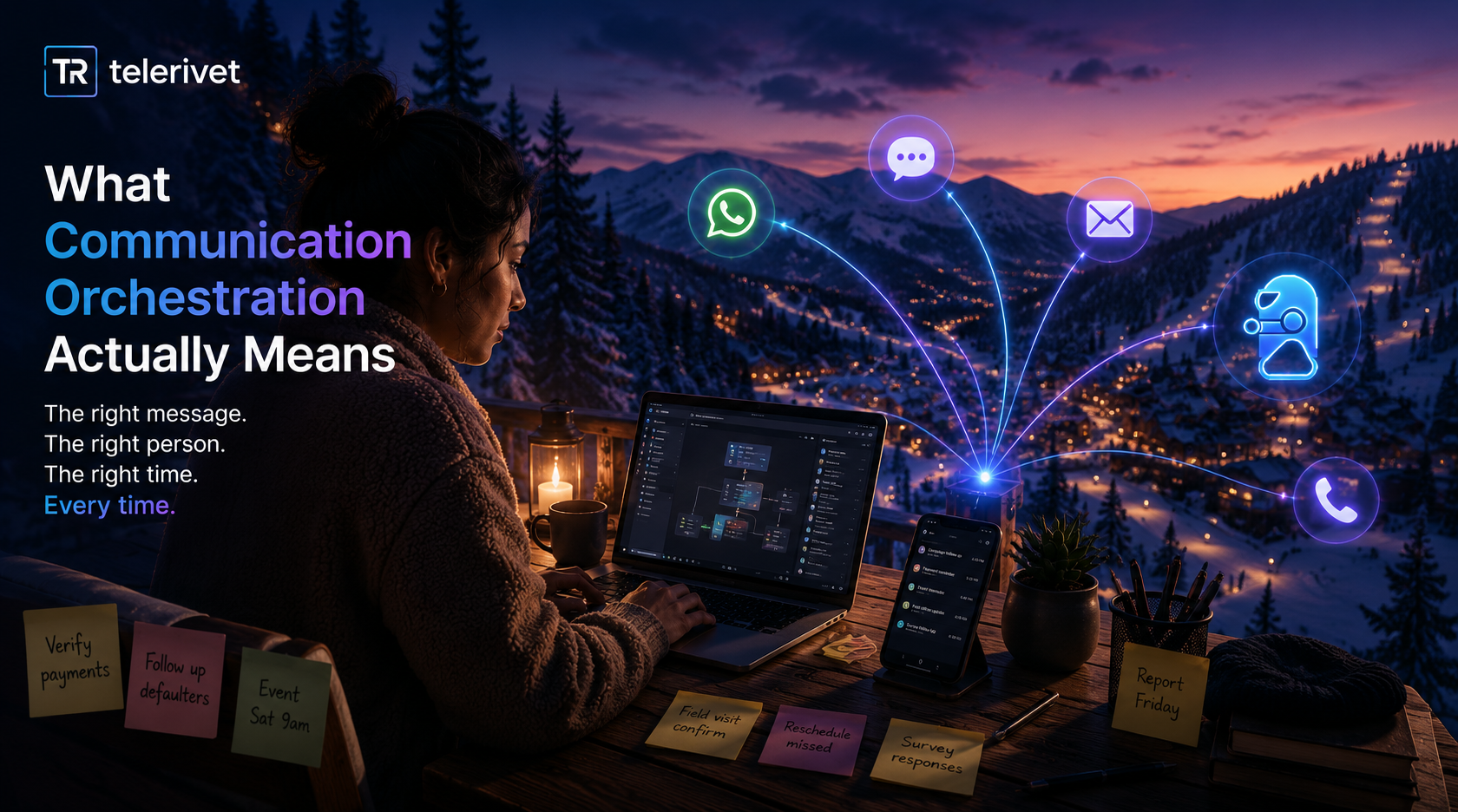
Most of the organizations I have watched struggle with operational communication have been dealing with the same problem for years without a name for it.
Communication orchestration is that name: the practice of coordinating messages across multiple channels according to a defined sequence and conditions, so that the right message goes to the right person at the right time based on what has already happened, not just based on what someone remembers to send. What I want to do here is not define it further. It is to describe what the problem looks like from the inside, in the working day of the person carrying it, because that is the frame the formal definition almost never starts with.
SMS Regulations by Country: The Global Compliance and Operational Architecture Guide
Jul 5, 2026
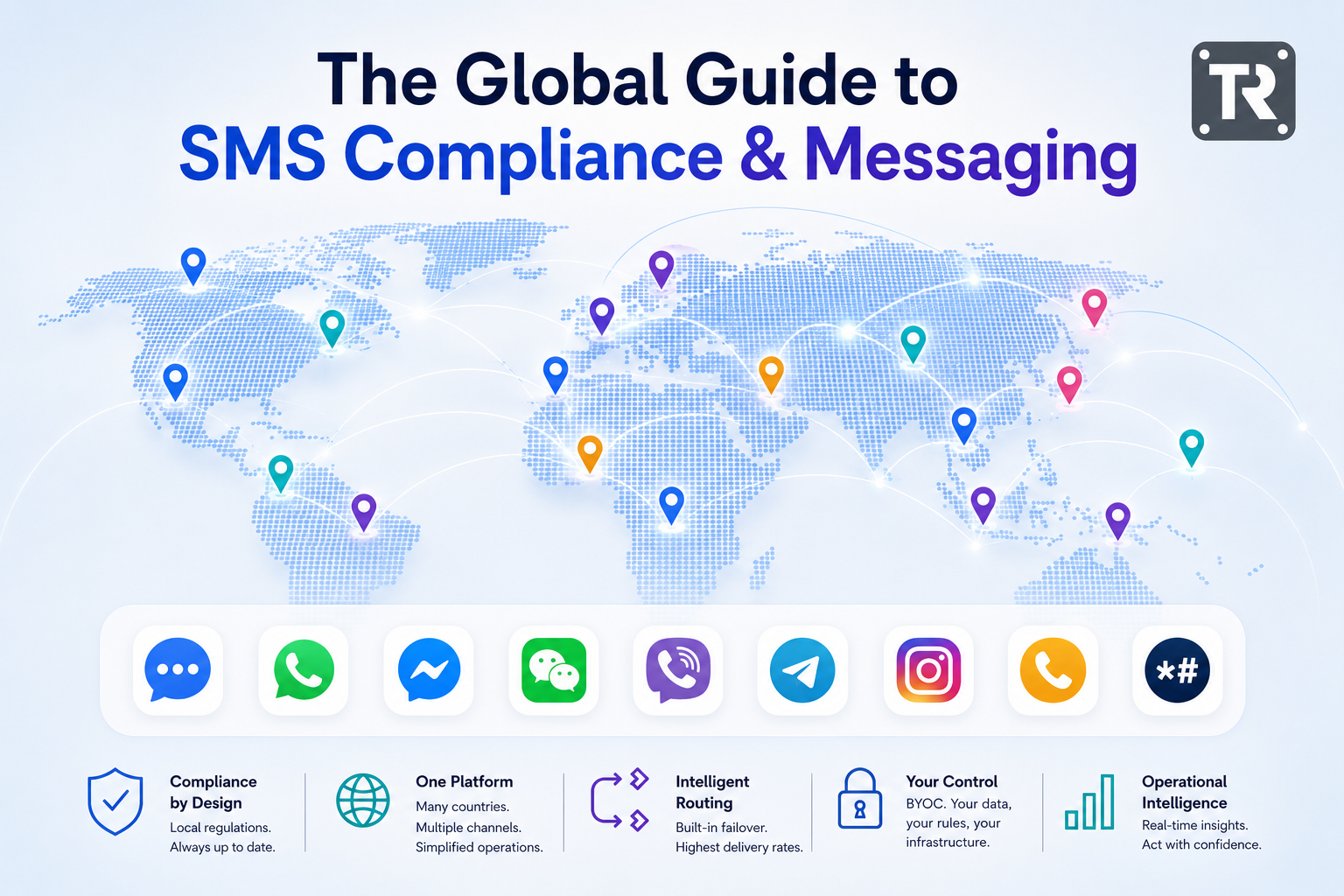
Most SMS programs that fail internationally do not fail because someone broke a law. They fail because a team designed a workflow for one market, assumed the architecture transferred, and discovered too late that it did not. Two-way SMS is unavailable for standard A2P channels in six of the markets covered in this guide. Japan's major carriers aggressively filter URLs in SMS. Mexico replaces every branded sender name with a short code. The UAE mandates an "AD-" prefix on every promotional sender ID or the message fails. Vietnam requires the brand name to appear in the message body itself, not just in the sender field. None of these are obscure edge cases. They are the standard operating environment in those markets.