USSD (Unstructured Supplementary Service Data) is a mobile communication protocol that lets users interact with a service through a short code menu without internet, without a smartphone, and without a downloaded app. It works on any GSM handset, including basic feature phones, and runs entirely over the mobile network's signaling channel. Because it requires no data connection and no app, USSD remains one of the most reliable ways to reach mobile users in low-connectivity markets across Africa, Asia, and emerging markets..
Blog
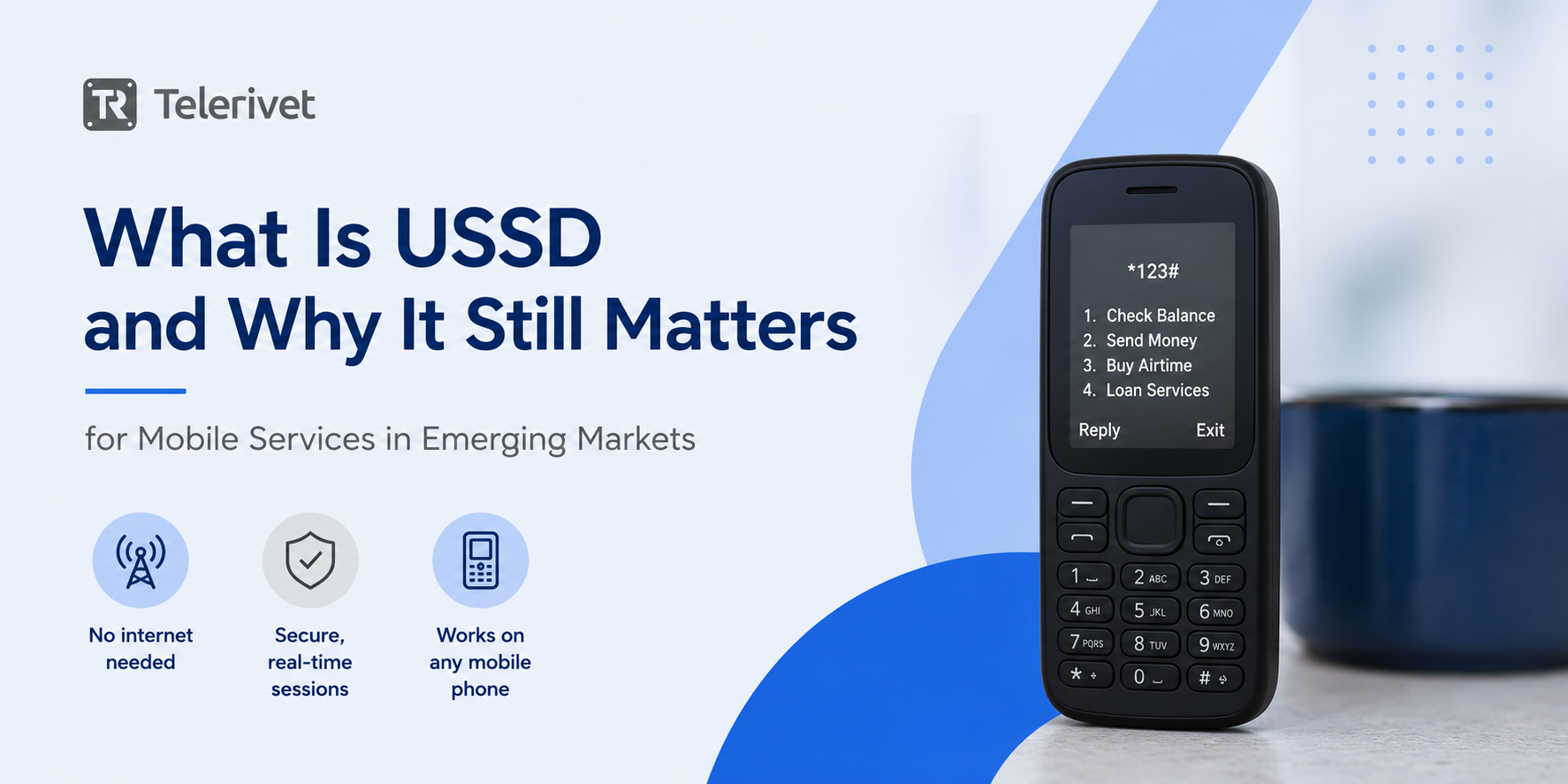
What Is USSD and Why It Still Matters for Mobile Services in Emerging Markets
Jun 22, 2026
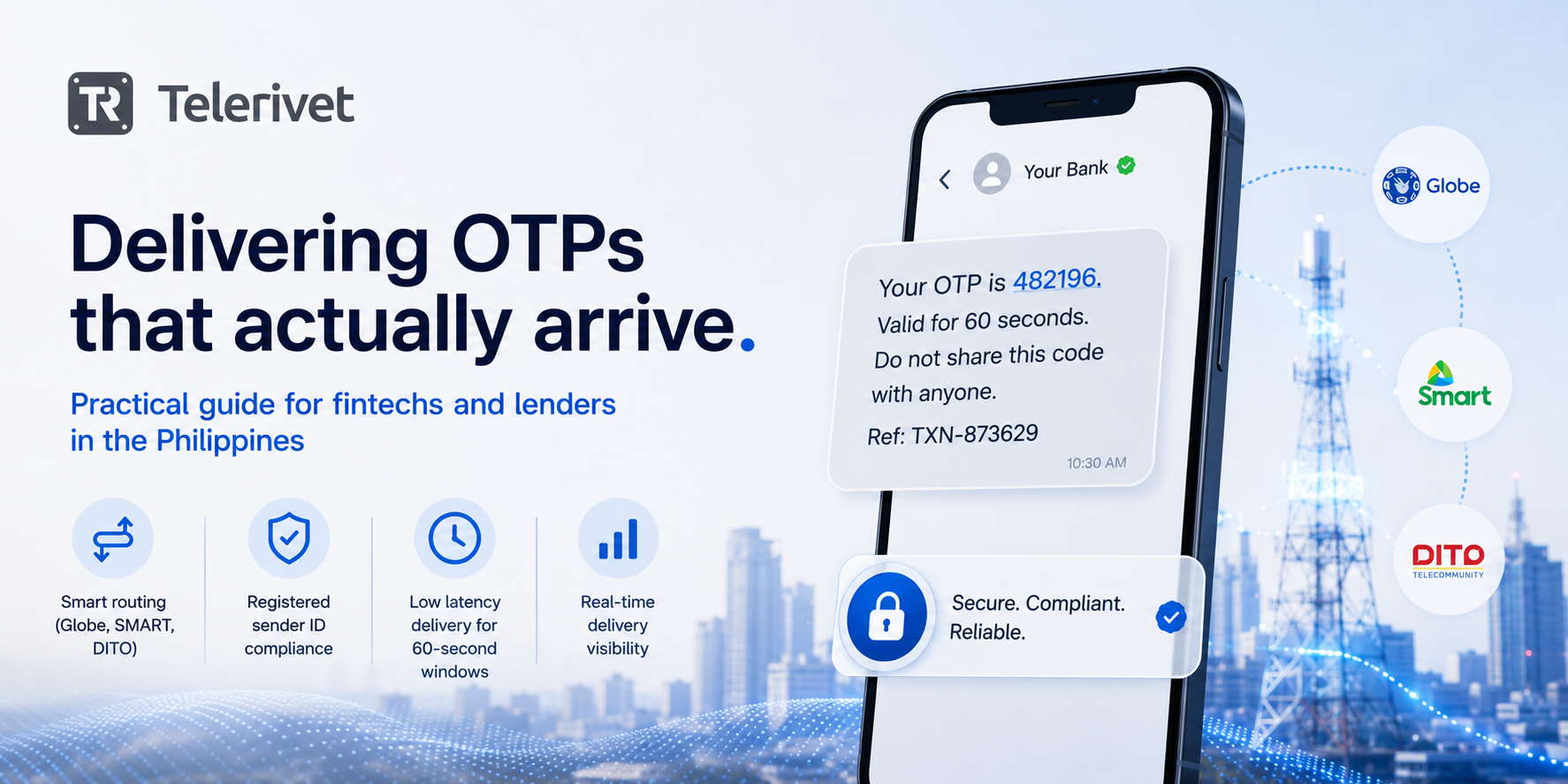
OTP and Transactional SMS in the Philippines: What Banks, Lenders, and Fintechs Need to Know
Jun 21, 2026
Transactional SMS in the Philippines refers to automated, triggered messages sent to an individual recipient as a direct result of an action they have taken: a login attempt, a transaction confirmation, a disbursement alert, or a payment notification, as distinct from promotional or marketing messages sent to a contact list. The distinction matters because transactional SMS is routed differently by Philippine telcos, priced differently, and regulated differently by the Bangko Sentral ng Pilipinas, especially with Circular 1213 in the picture now..
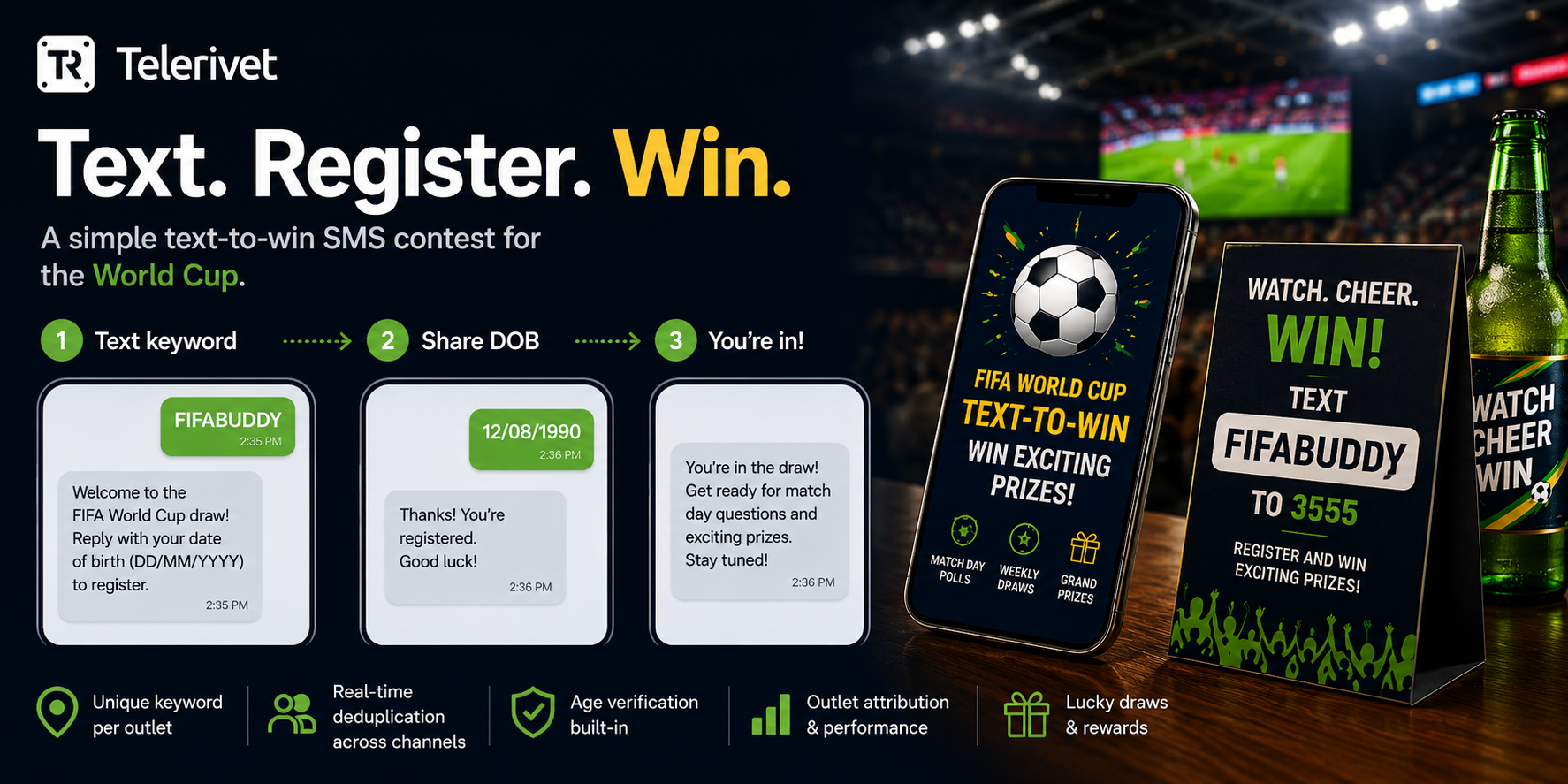
The World Cup Is On. Here's How to Run a Text-to-Win SMS Contest Before the Final Whistle.
Jun 20, 2026
A text-to-win SMS contest is a consumer promotion where participants register by sending a keyword to a number, are entered into a prize draw, and receive match-linked engagement messages until winners are announced. The entire interaction happens over SMS, with no app download, no form to fill out, and no internet connection needed at the point of entry.
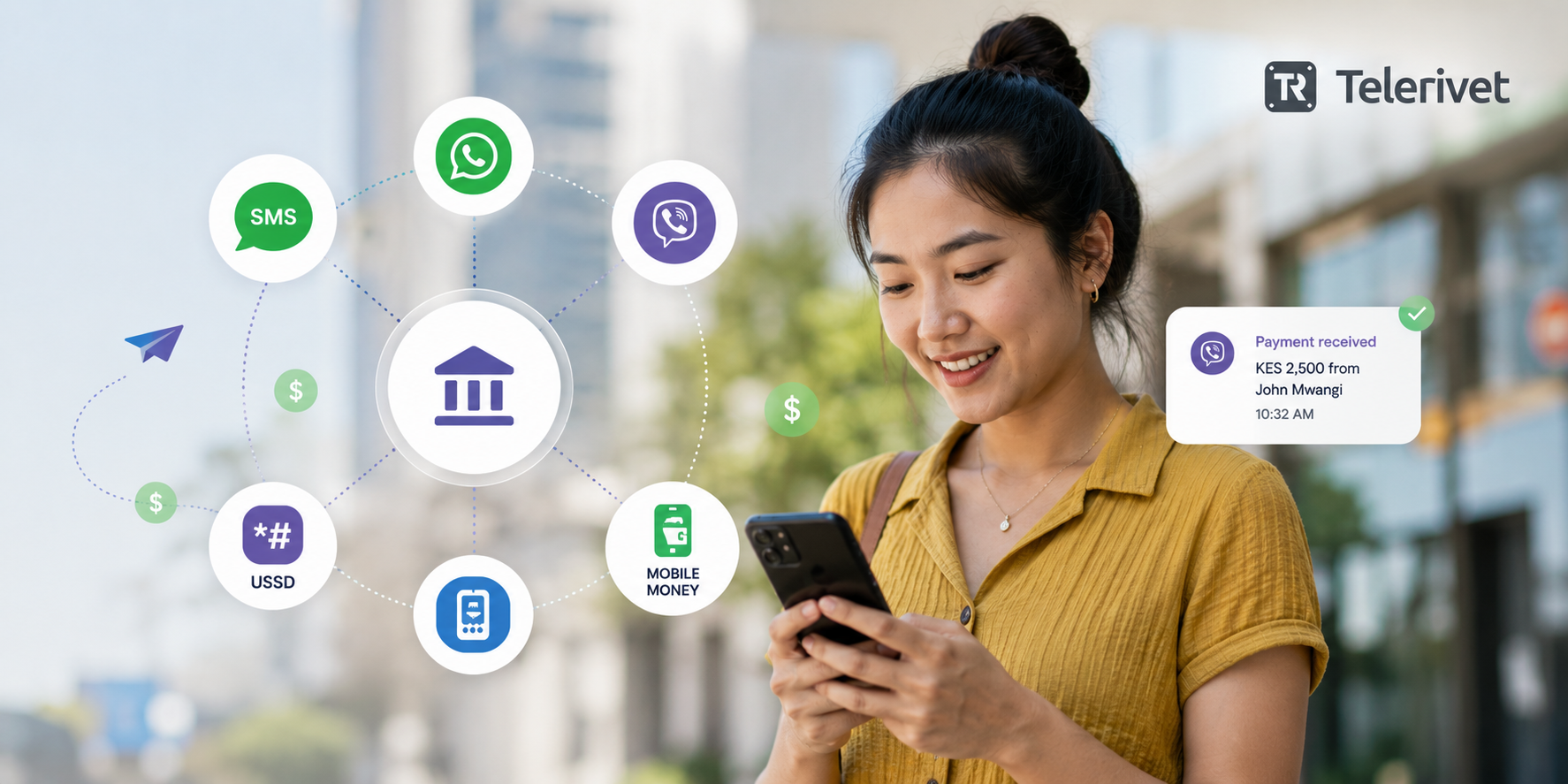
How Digital Lenders, Mobile Money Operators, and Insurers Communicate With Customers at Scale
Jun 19, 2026
Digital lenders, mobile money operators, microfinance institutions, and insurers operating across Africa, Southeast Asia and other global markets share a common communication challenge: their customers are not a uniform population. Some have smartphones and mobile data. Many use feature phones. Some are in areas with consistent network coverage. Others are not. Building a customer communication system that reaches all of them, reliably, at scale, across multiple products and markets, requires different decisions than a communication setup built for a connected, smartphone-first customer base..

Lone Worker Check-Ins in Australia: Building a Welfare Check System That Meets Your WHS Duties
Jun 18, 2026
A drilling technician is alone at a site three hours from the nearest town. A utilities crew member is working a fault line solo on a Sunday night shift. A community health worker is driving between properties with patchy reception. In each case, the same question sits underneath the operation: if something goes wrong, how long before anyone knows?
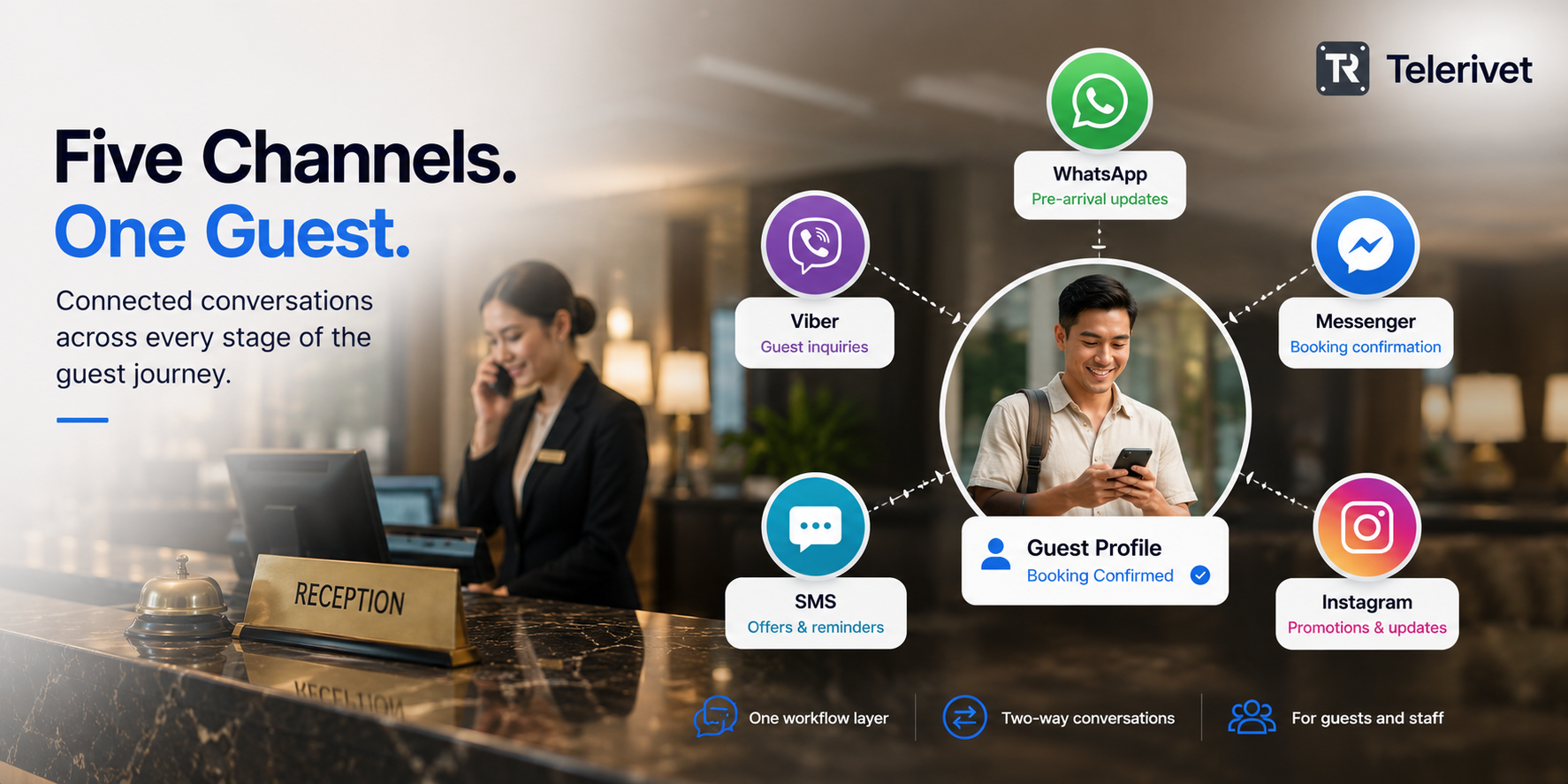
Your Guests Are on Five Channels. Your Workflows Are on None.
Jun 17, 2026
Hotel guest messaging refers to the automated and manual communication between a property and its guests across channels including WhatsApp, Viber, SMS, Instagram, Facebook Messenger. Effective hotel guest messaging connects these channels to a shared workflow layer so that booking events, modifications, and guest requests trigger coordinated communication across staff and guests simultaneously, rather than being handled manually on separate devices..
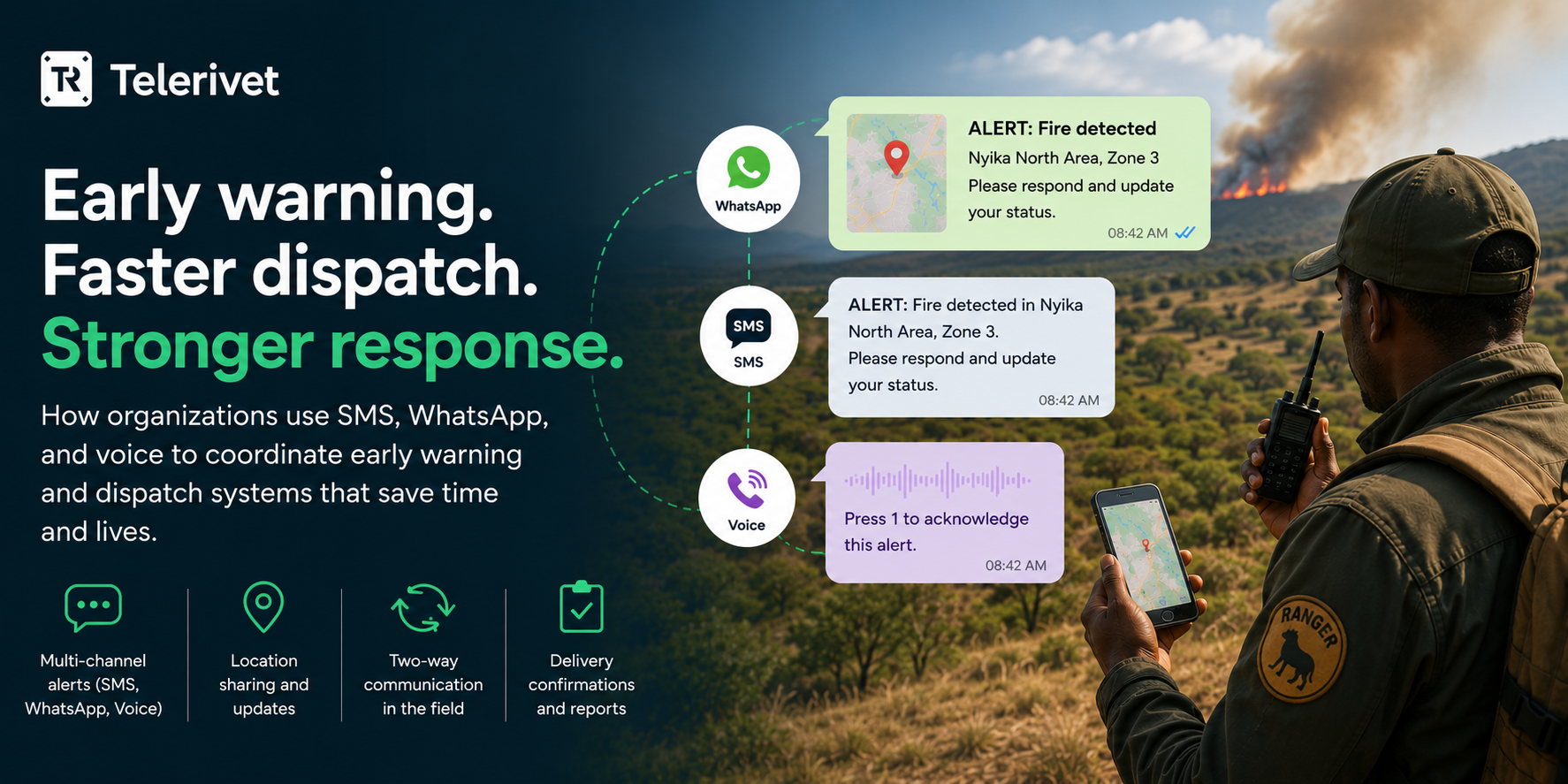
How Organizations Use SMS, WhatsApp, IVR to Build Early Warning and Dispatch Systems
Jun 16, 2026
When a satellite detects a fire burning in a remote conservation reserve, the detection itself is not the hard part. The hard part is what happens next: getting the right message to the right people, across unreliable networks, in under sixty seconds, so that a field team can respond before the situation escalates.
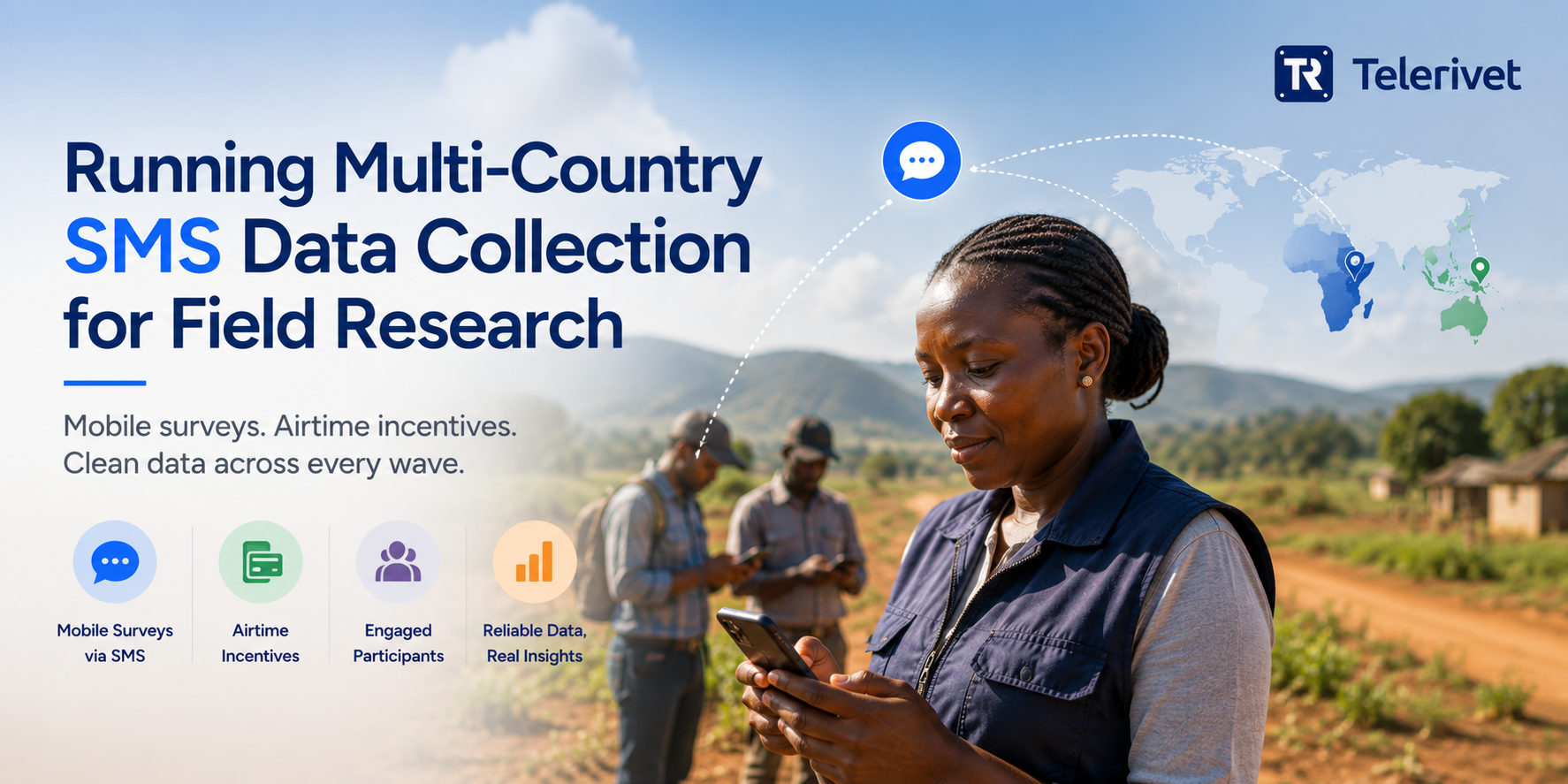
Running Multi-Country SMS Data Collection for Field Research
Jun 15, 2026
The six weeks between ethics approval and your first survey wave are a strange period. The instrument is ready. The participant list is built. The field logistics are locked. And someone still has to figure out how to actually reach 400 farmers in western Kenya and northern Tanzania on a regular basis for the next 18 months, ask them structured questions, pay them something for their time, and bring back data clean enough to analyze.

The Lines We Draw in the Dark
Jun 14, 2026
On connection, and the oldest thing we do.
Long before we had a word for it, we were already doing it. We looked up at a scattering of unrelated lights, impossibly far apart, and we drew lines between them. We called the lines hunters and rivers and bears. We told stories along them. We turned a random spray of distant fire into something that could be read, remembered, and handed to a child who would hand it to hers. The constellation was never in the sky. It was the line we drew. Meaning was the connection we made between things that were, until we connected them, alone.
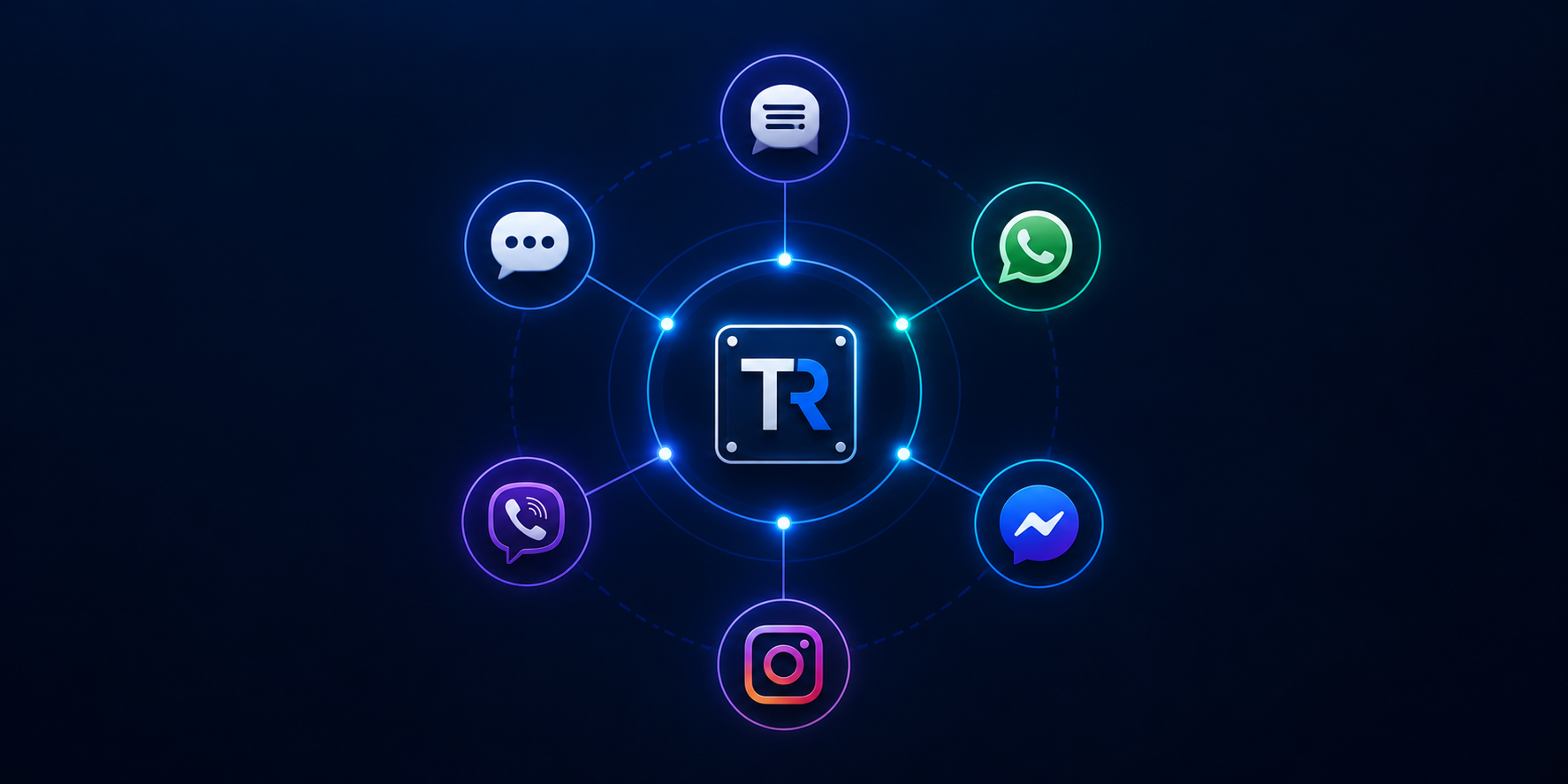
What Is Bring Your Own Connectivity? How BYOC Works in Is Bring Your Own Connectivity? How BYOC Works in Telerivet
Jun 12, 2026
Most messaging platforms sell you two things bundled together: a way to manage and automate your communications, and the routes those communications travel on. The bundling is usually invisible until you try to untangle it.
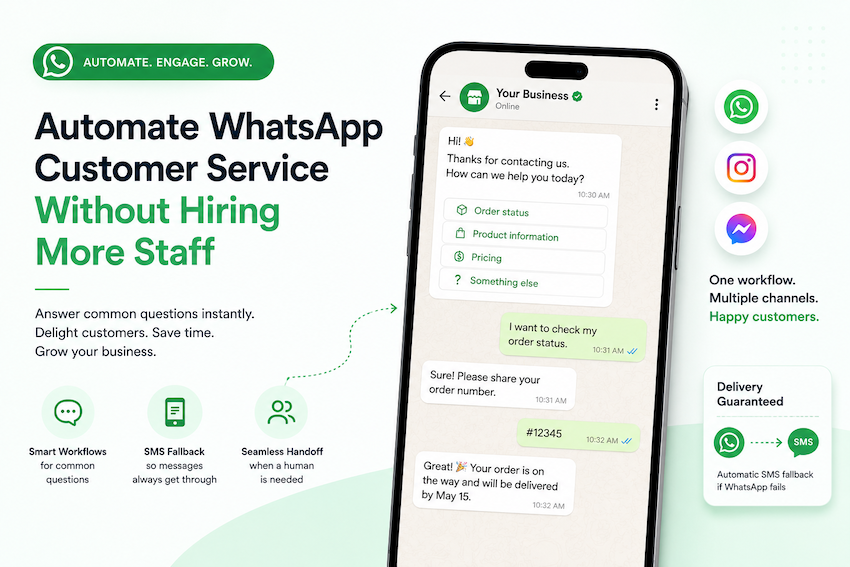
How to Automate Your WhatsApp Customer Service Without Hiring More Staff
Jun 11, 2026
If your business runs on WhatsApp, you already know the pattern. A customer messages asking about an order. Another wants a price list. Someone asks whether a product is back in stock. By mid-morning, a significant part of your day has gone to questions you have already answered dozens of times.