What is post-stay hotel messaging? Post-stay messaging refers to automated communication sent to guests after checkout. For boutique hotels and independent hosts, a post-stay sequence typically includes a satisfaction check, a branching review request that routes positive responses to a public review platform and negative responses to a private resolution path, a referral or discount code, and a re-engagement message ahead of the next booking season. WhatsApp is the most reliable channel for post-stay communication with international guests because it works on WiFi regardless of which SIM the guest is using after returning home.
The guest has checked out. They are in a taxi to the airport, or already at the gate, or back home sorting through their photos. For most boutique hotels, independent resorts, and multi-property Airbnb or Vrbo hosts, this is where the relationship ends. No message goes out. The next communication, if it happens at all, is a generic marketing email weeks later that the guest has already forgotten how to connect to the stay they had..
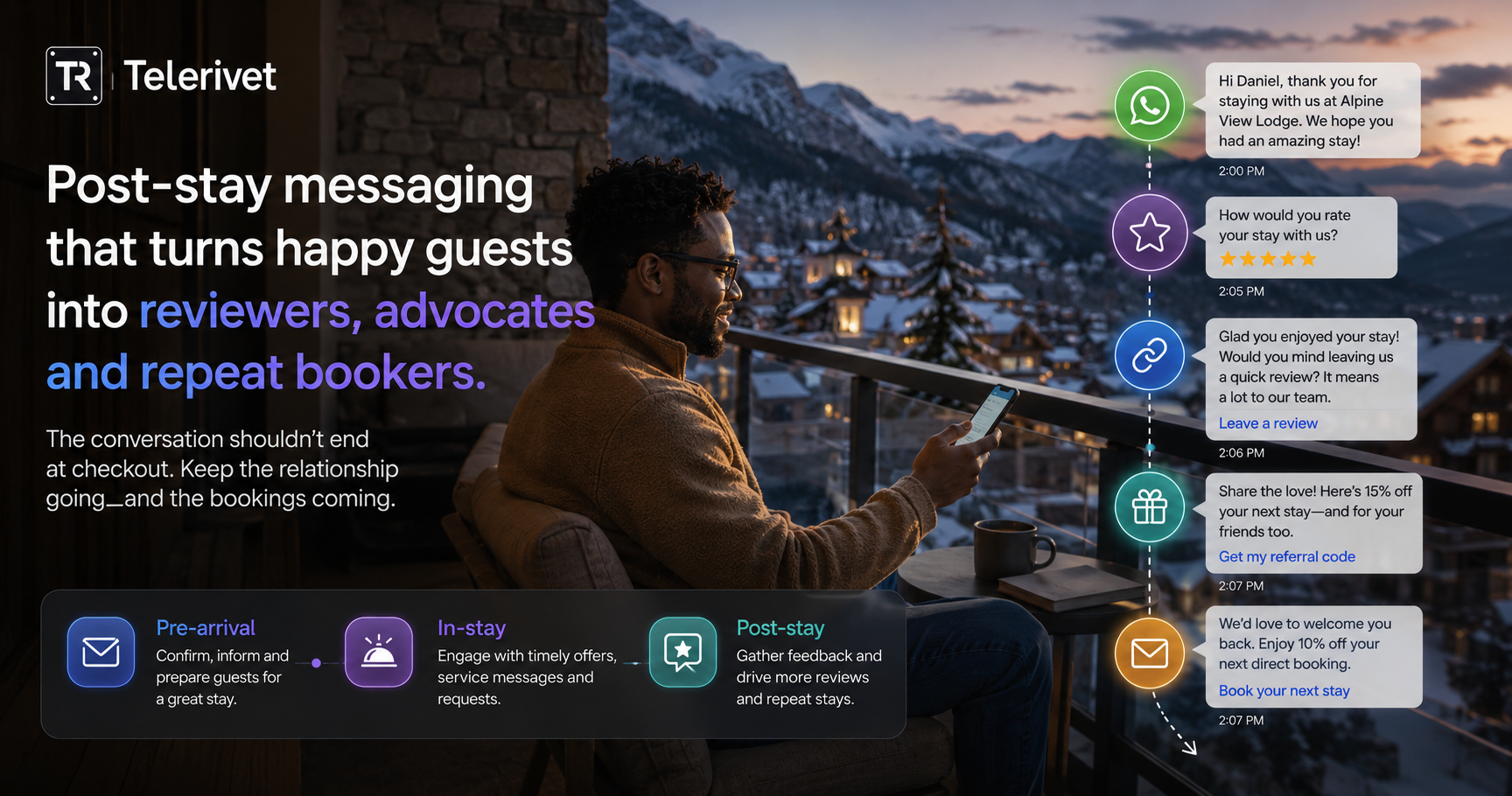
After Checkout: The Post-Stay Messaging Playbook for Boutique and Independent Hotels
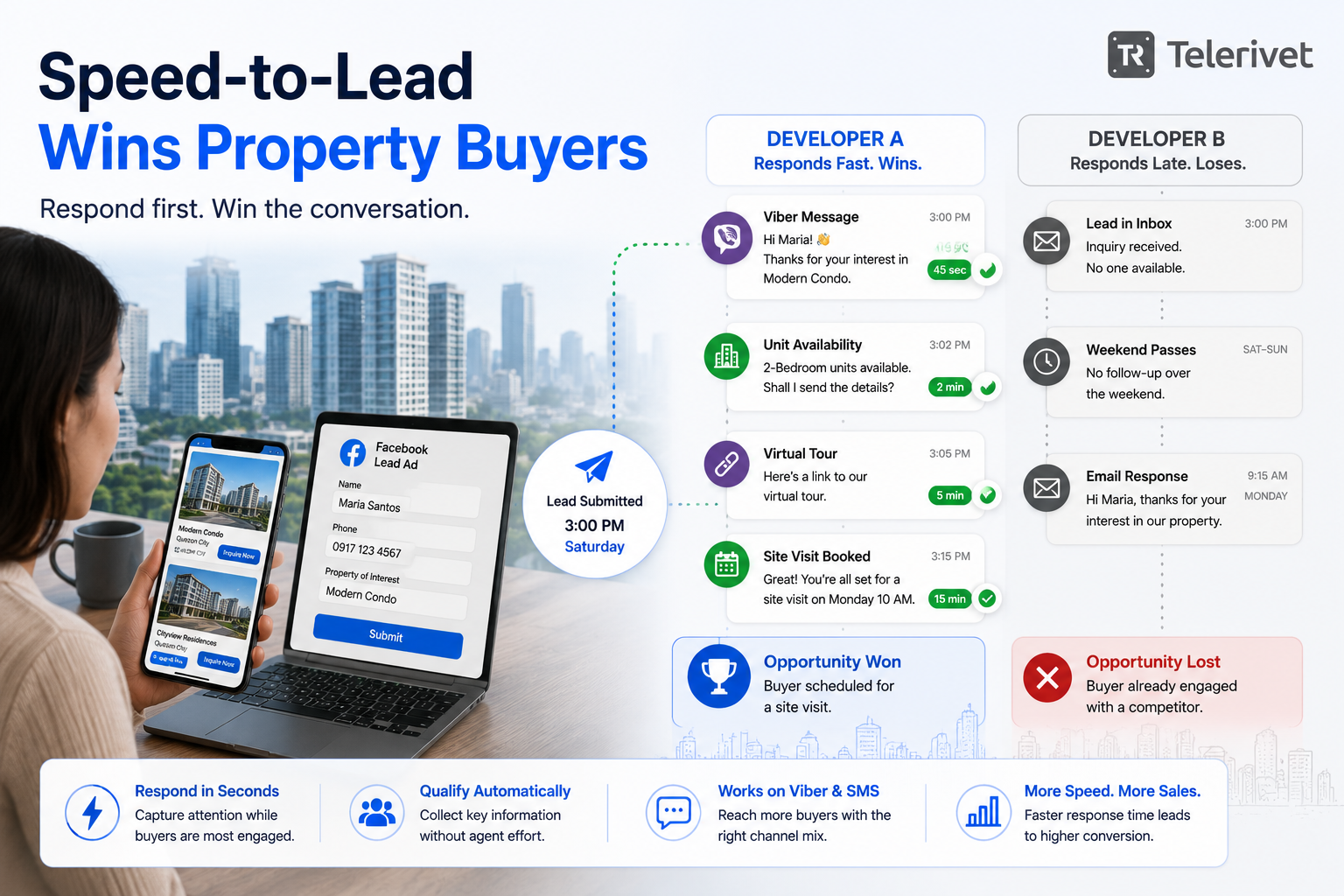
Why Philippine Property Developers Lose Leads Before Monday Morning
Speed-to-lead in Philippine real estate refers to the time between a prospective buyer's inquiry and the developer's first substantive response. Research across markets consistently shows that lead conversion rates drop sharply when response time exceeds five minutes, and in a competitive condominium market with multiple developers running concurrent campaigns on the same portals and platforms, the developer who responds first wins the conversation.
Picture this- A prospective buyer submits an inquiry on a property portal at 3pm on a Saturday. They are looking at two condominiums from two developers. By Monday morning, one developer has responded twice: an immediate Viber message with a unit availability summary, then a follow-up that morning with a link to a virtual tour. The other developer sends an email at 9:15am Monday. By that point, the buyer is already scheduled for a site visit with the first developer.
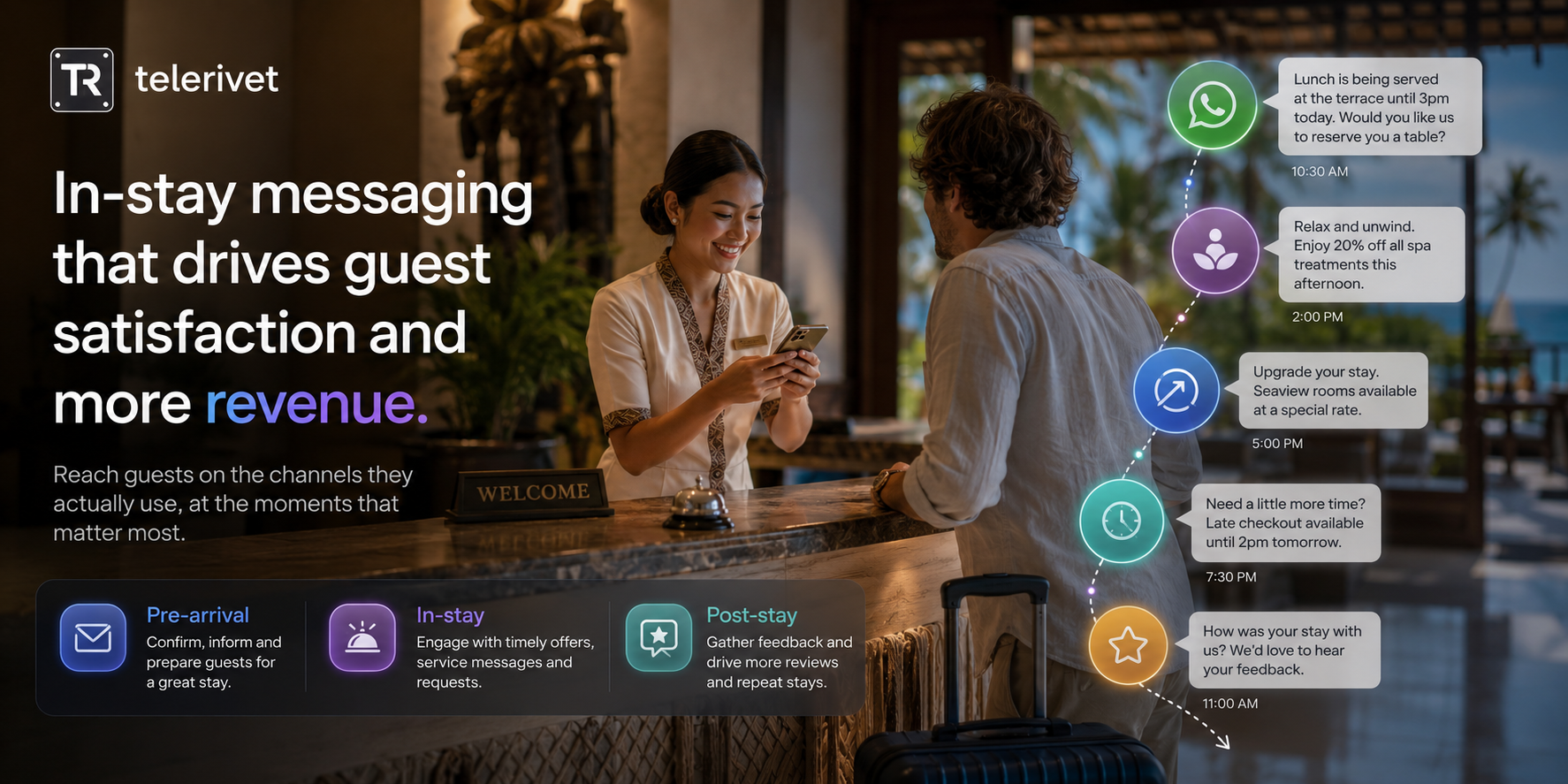
The In-Stay Revenue Opportunity Independent Hotels in Africa and Southeast Asia Are Leaving on the Table
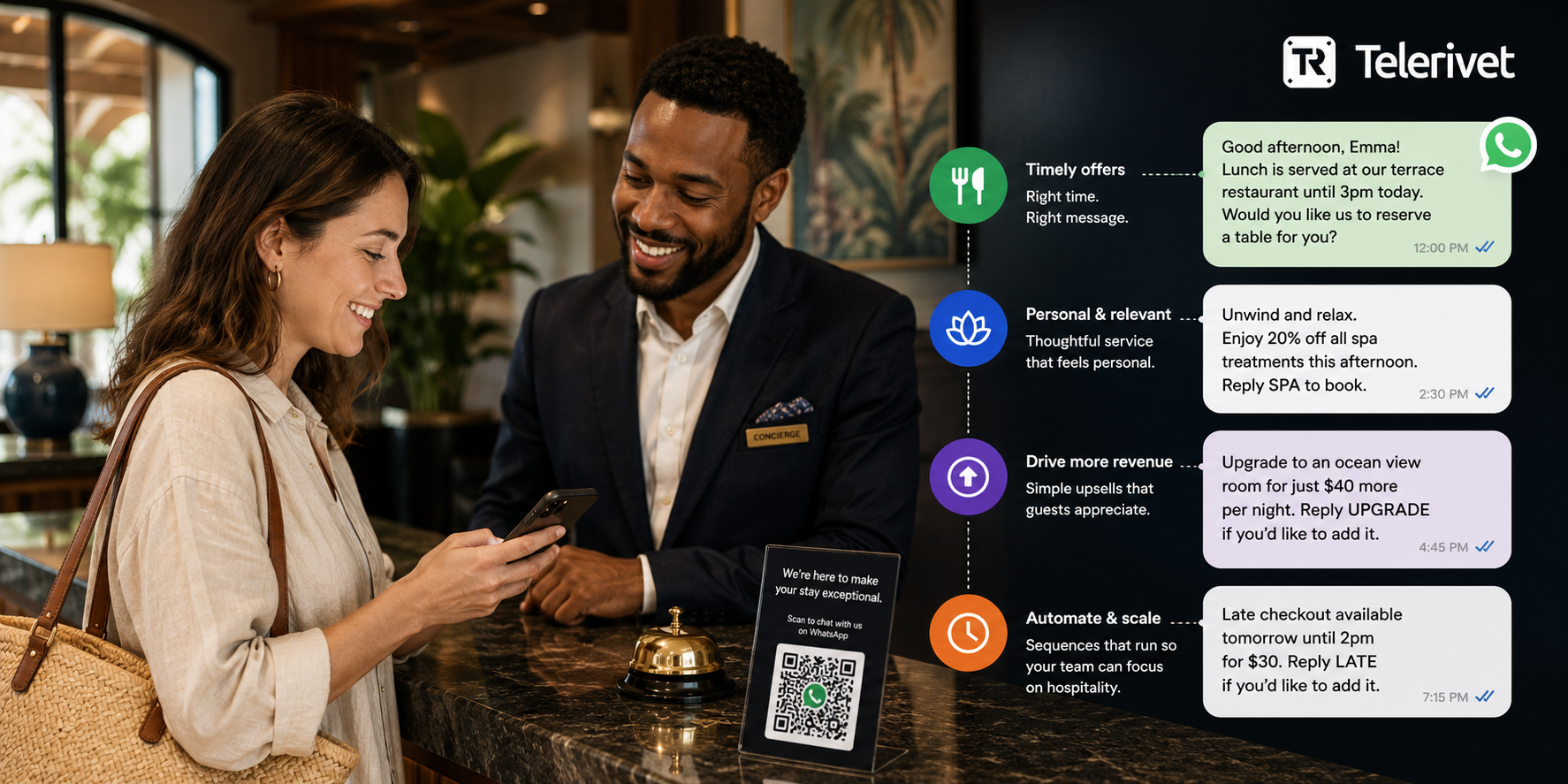
In-stay messaging refers to automated or semi-automated communication sent to guests while they are on the property. For independent and boutique hotels, in-stay messages typically cover food and beverage promotions, spa and activity offers, and late checkout upsells. WhatsApp is the most effective channel for in-stay communication in Southeast Asia and Sub-Saharan Africa because guests already have it installed and the conversation thread from pre-arrival contact is still open.
A guest checks in at a boutique resort in Bohol. Or a business hotel in Nairobi. Or a heritage property in Penang. They drop their bags, connect to WiFi, and for the next two or three days they are on your property - captive, willing to spend, and entirely unreachable unless they walk up to the front desk..
Why Hotel Pre-Arrival Guest Messaging in Southeast Asia Is Still a Manual Job
The window between a booking confirmation and a guest's check-in is one of the most valuable communication opportunities a hotel has. It is also, at most properties across the Philippines, Indonesia, Thailand, Vietnam, and Malaysia, managed almost entirely manually. The same pattern holds at independent and mid-size hotels in Kenya, Tanzania, South Africa, and across much of East and Southern Africa. It likely holds across rest of APAC, EMEA and Americas too.
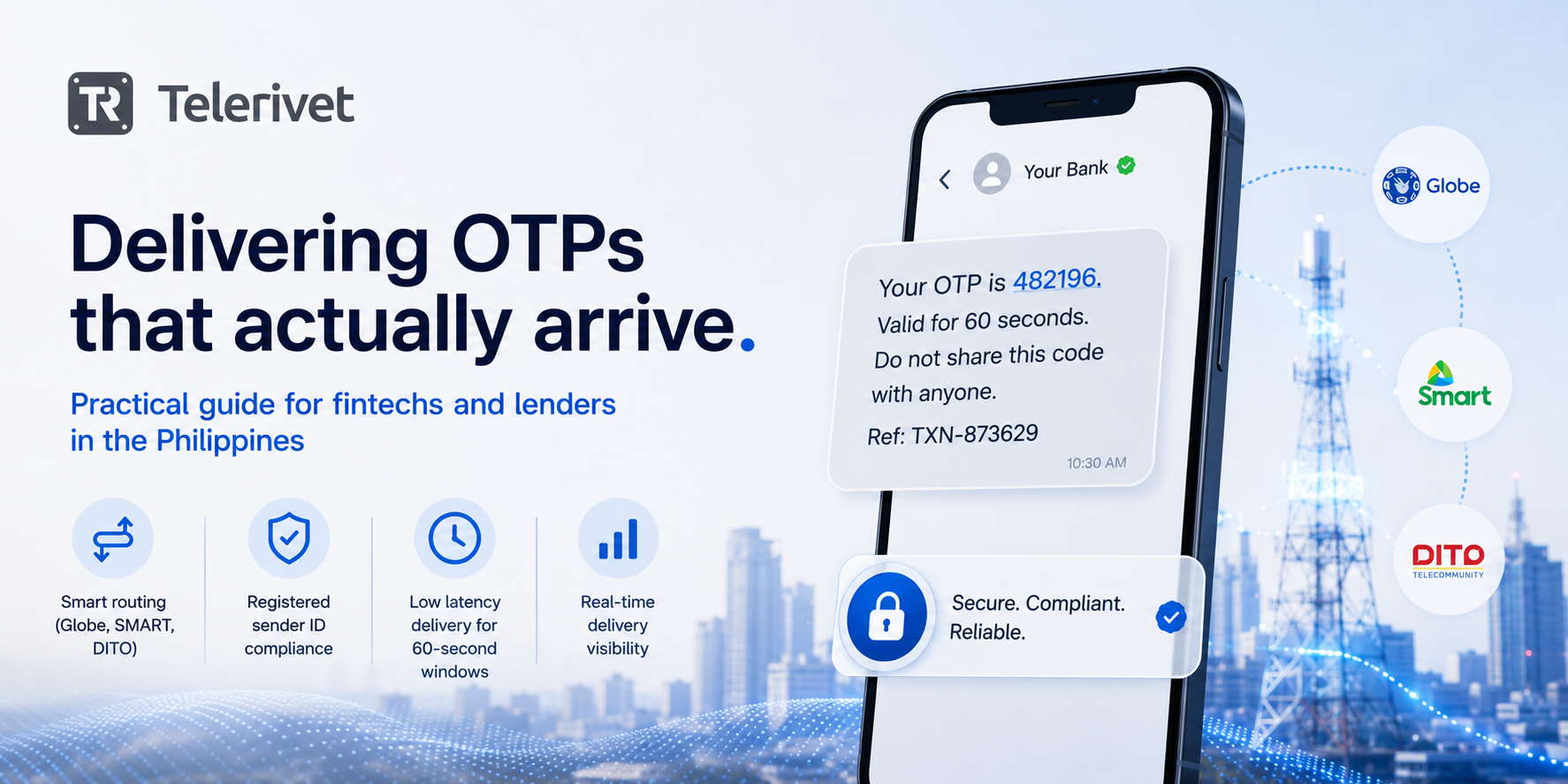
OTP and Transactional SMS in the Philippines: What Banks, Lenders, and Fintechs Need to Know
Transactional SMS in the Philippines refers to automated, triggered messages sent to an individual recipient as a direct result of an action they have taken: a login attempt, a transaction confirmation, a disbursement alert, or a payment notification, as distinct from promotional or marketing messages sent to a contact list. The distinction matters because transactional SMS is routed differently by Philippine telcos, priced differently, and regulated differently by the Bangko Sentral ng Pilipinas, especially with Circular 1213 in the picture now..
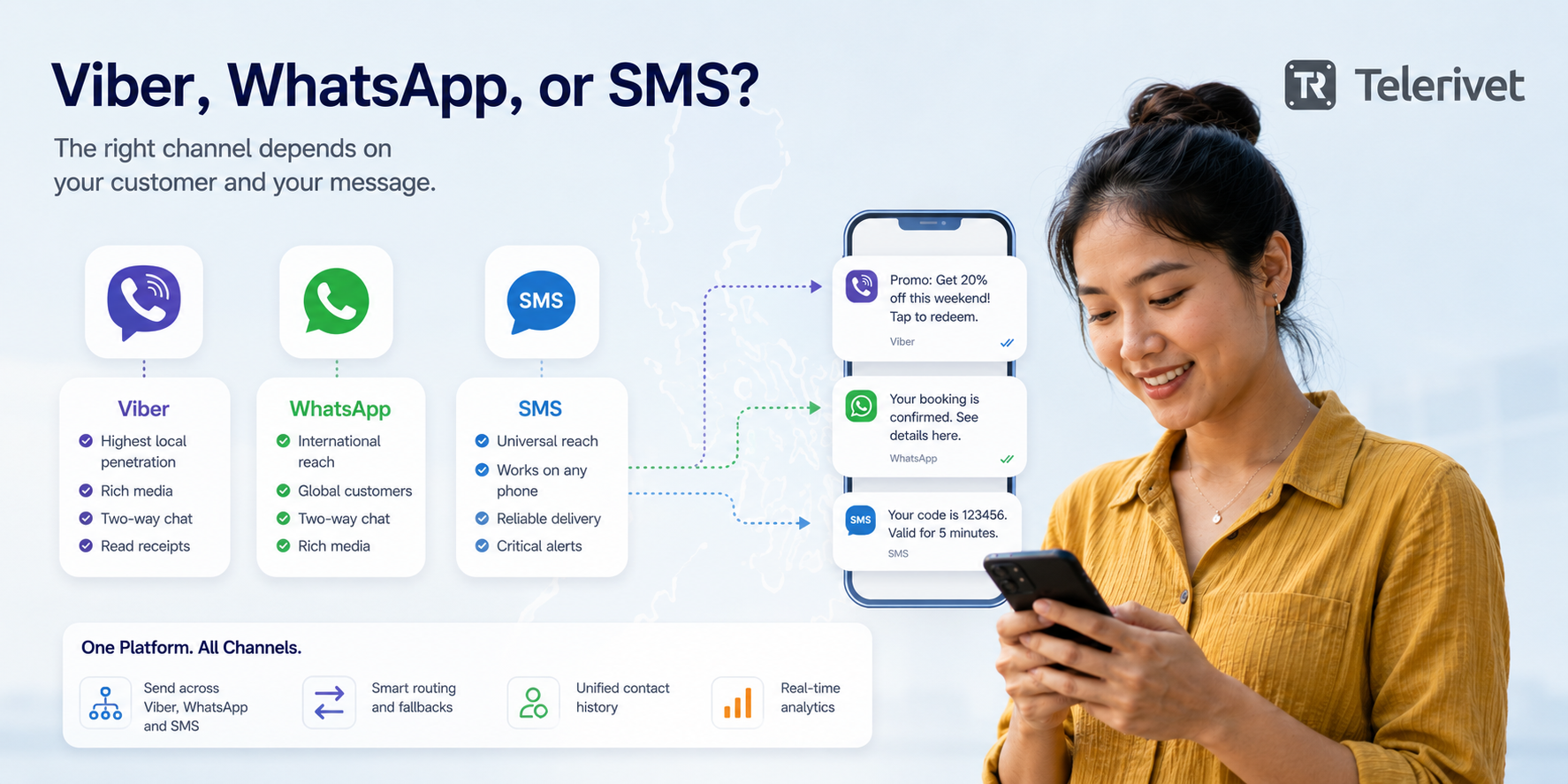
Viber, WhatsApp, or SMS? A Channel Guide for Philippine Businesses
The right answer to which channel a Philippine business should use is: it depends on who you are reaching, what kind of message you are sending, and what happens if that message does not get through. This guide covers the practical differences between Viber, WhatsApp, and SMS in the Philippine context, and explains why most businesses end up running all three.
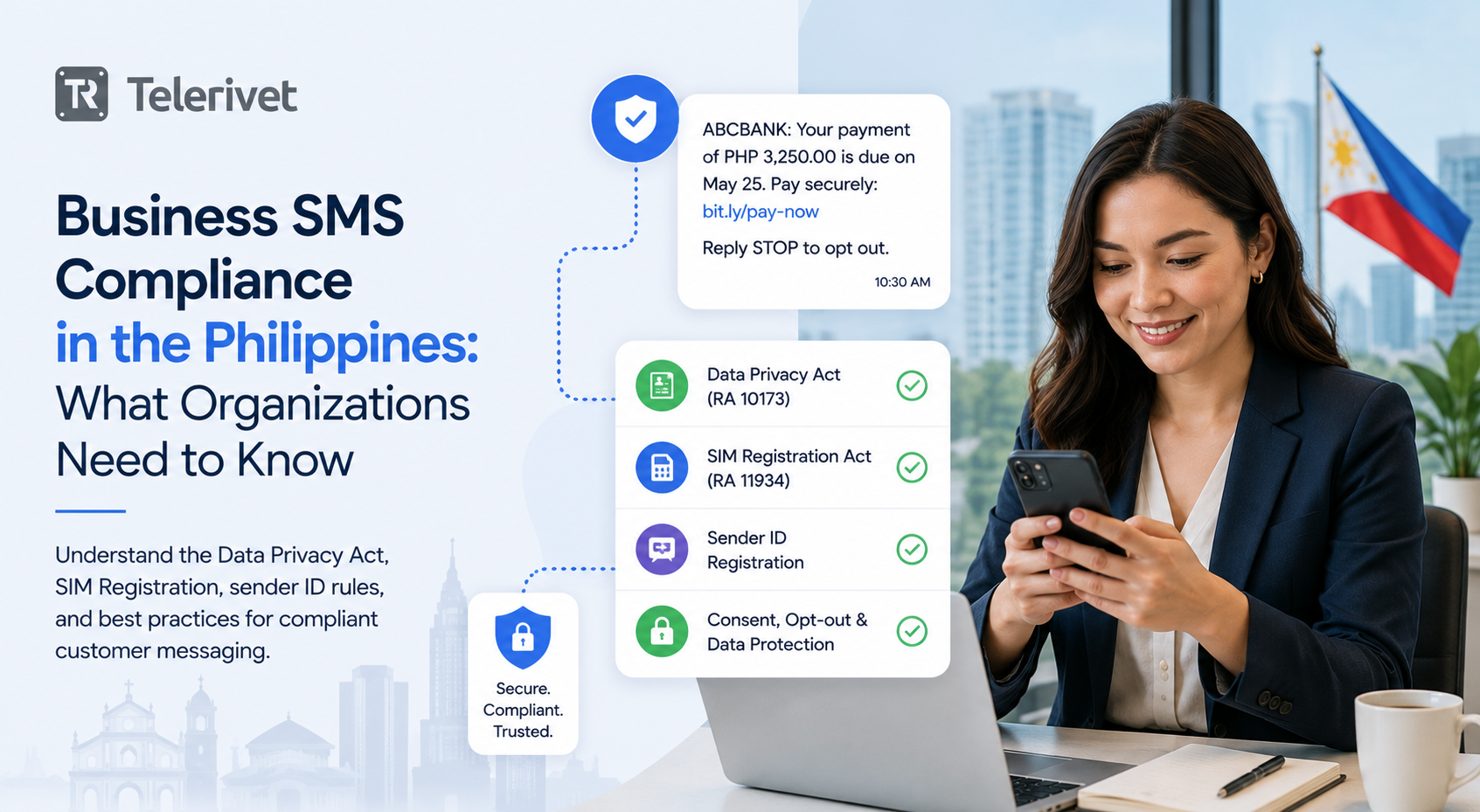
Business Messaging Compliance in the Philippines: What Organizations Need to Know
Organizations running customer communication programs in the Philippines operate under a specific regulatory environment. Whether you're sending payment reminders, appointment notifications, OTPs, marketing campaigns, or service updates, several frameworks govern how customer mobile numbers can be collected, stored, and used.