A hotel group operating in Phuket, Koh Samui, and Chiang Mai has a messaging problem that most platforms do not design for. Its Thai guests expect to hear from it on LINE, Thailand's dominant super-app with approximately 56 million monthly active users and an open rate for business messages that exceeds 90%. Its international guests, arriving from Europe, Australia, China, the Middle East, and North America, expect WhatsApp, the app that was on their phone long before they landed in Thailand. SMS sits underneath both as the guaranteed-delivery layer for OTPs, booking confirmations, and critical operational alerts. And since October 2025, the National Broadcasting and Telecommunications Commission (NBTC) has required operators to flag international SMS with an alert symbol before delivery, which means unregistered international SMS increasingly arrives looking like a potential scam warning rather than a trusted hotel confirmation.
Business SMS in the UAE: TDRA, the AD- Prefix, and the Highest Penalty Ceiling in the Series
Every promotional SMS sent in the UAE must carry a specific prefix before the sender name or the message will not be delivered. The prefix is "AD-" and it has been mandatory since November 3, 2020, under TDRA regulation. A sender ID registered as "ACMELOGISTIC" cannot be used for promotional messages. It must be registered and submitted as "AD-ACMELOGISTIC." A sender ID without the "AD-" prefix will not be approved for promotional use, and promotional messages sent without it are likely to fail or be blocked at the carrier level. Most teams building UAE programs for the first time discover this requirement at sender ID registration, not during planning.
Business SMS in Vietnam: MIC Compliance, the Brand Name Rule, and Why Zalo Changes Things
Since August 12, 2024, every business SMS sent in Vietnam must include the organization's brand name or application name in the message body itself, and that name must match the registered alphanumeric sender ID exactly. Not in the sender field alone, which is how every other market in this compliance series handles brand identification, but in the body of the message, as a mandatory line of content. A hotel sending a booking confirmation, an agricultural program sending a field update, a logistics company sending a delivery alert: all of them must open each message with the brand identifier that matches the registered sender name, every time.
How Educational Institutions Can Build a Smarter, More Trusted Messaging System
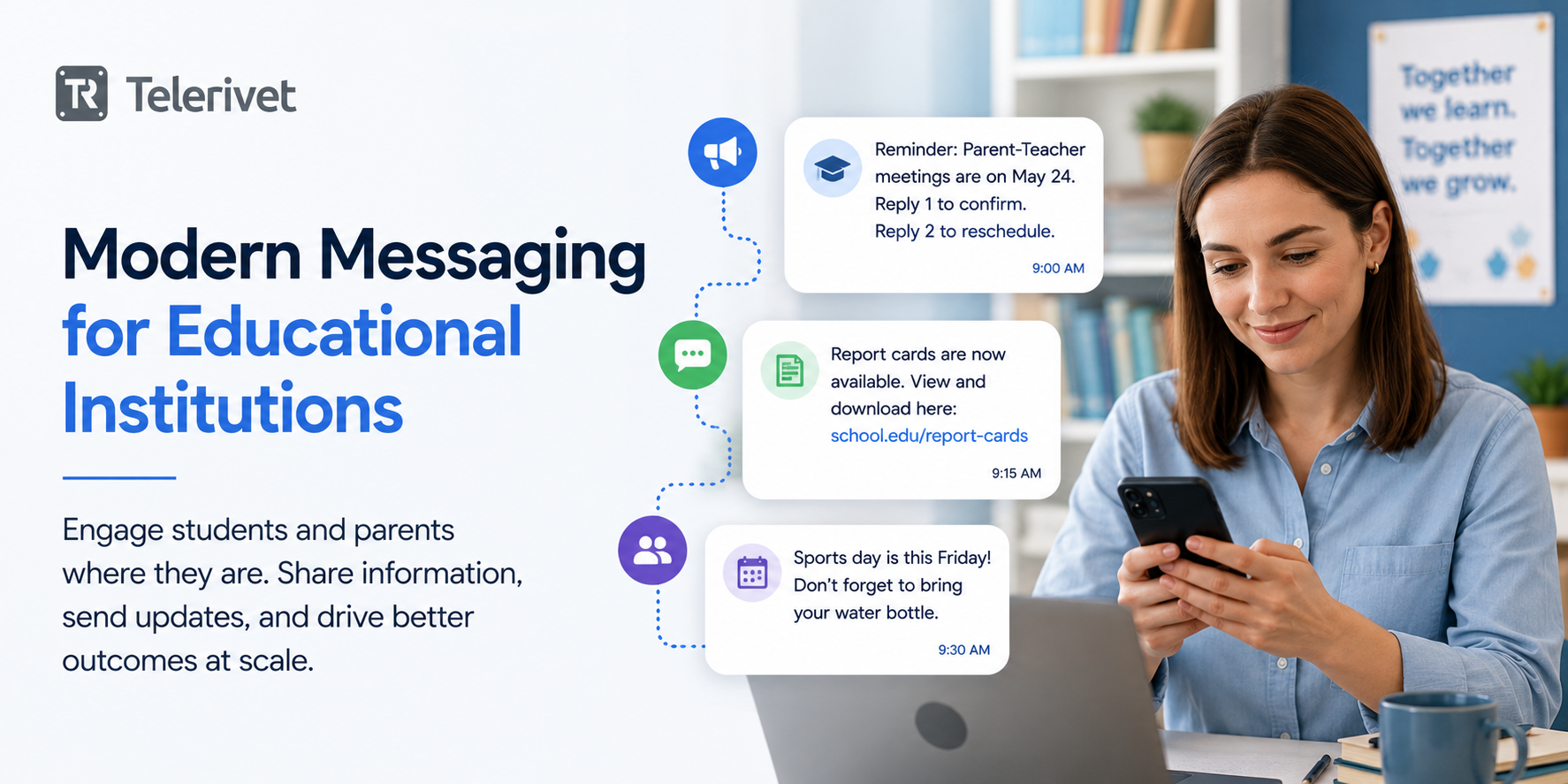
Educational institutions rely on clear, reliable communication to keep students, families, and staff informed. This includes a wide range of organizations such as early childhood centers, kindergartens, primary schools, secondary schools, higher secondary schools, colleges, universities, coaching centers, vocational institutes, and community programs.
How Clinics Automate Appointment Reminders with SMS, WhatsApp, Viber
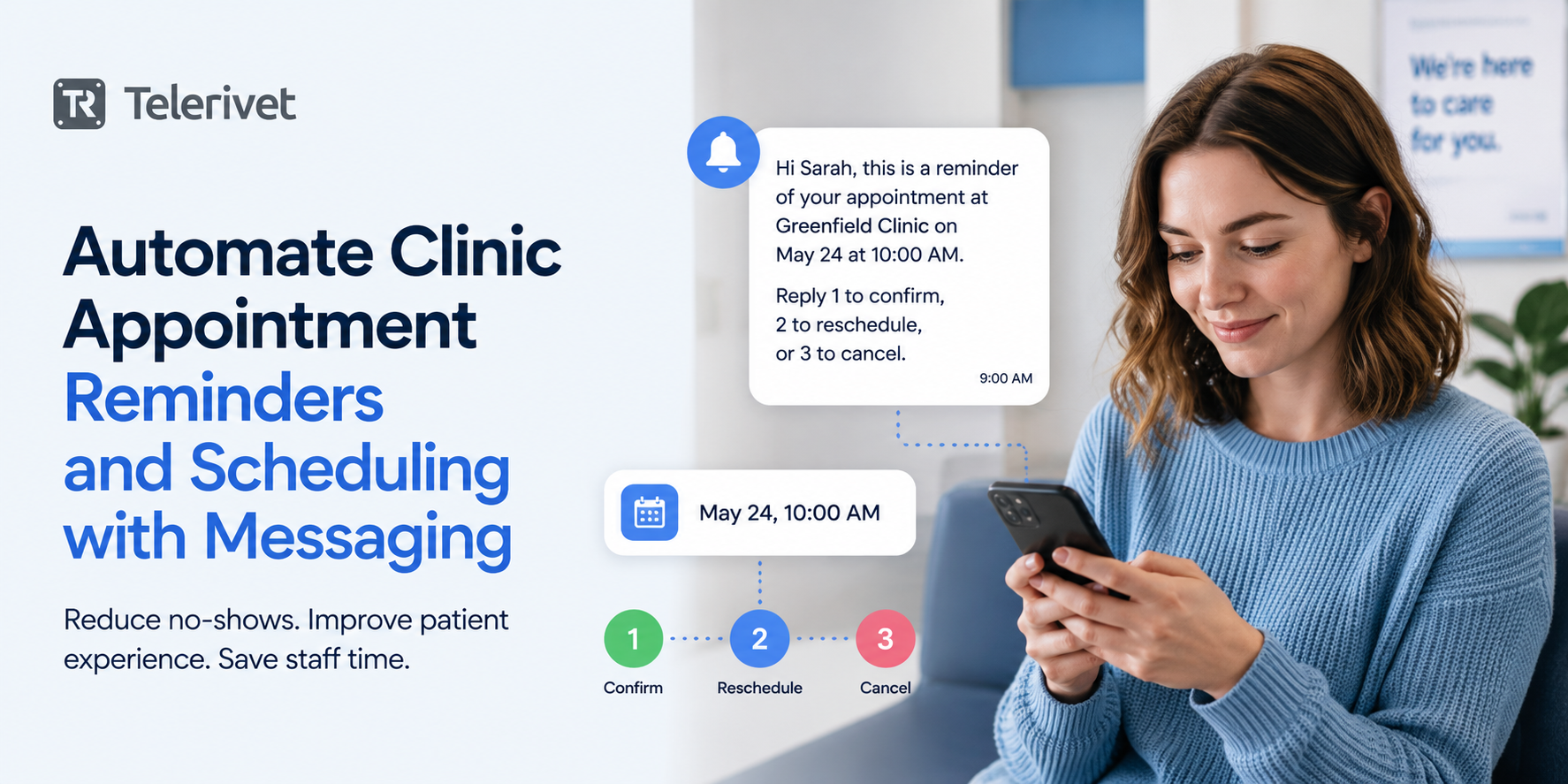
Managing patient appointments is one of the most important operational responsibilities in a clinic. It is also one of the most time consuming. Front desk teams answer inquiries, check doctor availability, send reminders, and manage cancellations or rescheduling requests. These activities keep clinic operations running smoothly, yet many practices still rely on manual communication to coordinate them.
5 Messaging Workflows Every FMCG and Consumer Brand Should Use in 2025
Consumers today move fast. They discover products on social platforms, compare prices in seconds, and expect brands to meet them with relevant updates at the right moment. Across FMCG, beauty, retail, and D2C categories, one pattern is consistent. Brands that create simple, well timed touchpoints through messaging build stronger loyalty and higher conversion.
How Healthcare Teams Build Reliable Communication Systems That Patients Trust
Healthcare facilities across emerging markets face more communication challenges today than ever before. Hospitals, clinics, private practices, and health programs manage rising patient volumes with limited digital systems, while patients expect clear, timely updates about their care. Many still rely on basic phones, keep mobile data turned off, or prefer not to install additional apps, which makes it difficult to reach them consistently.
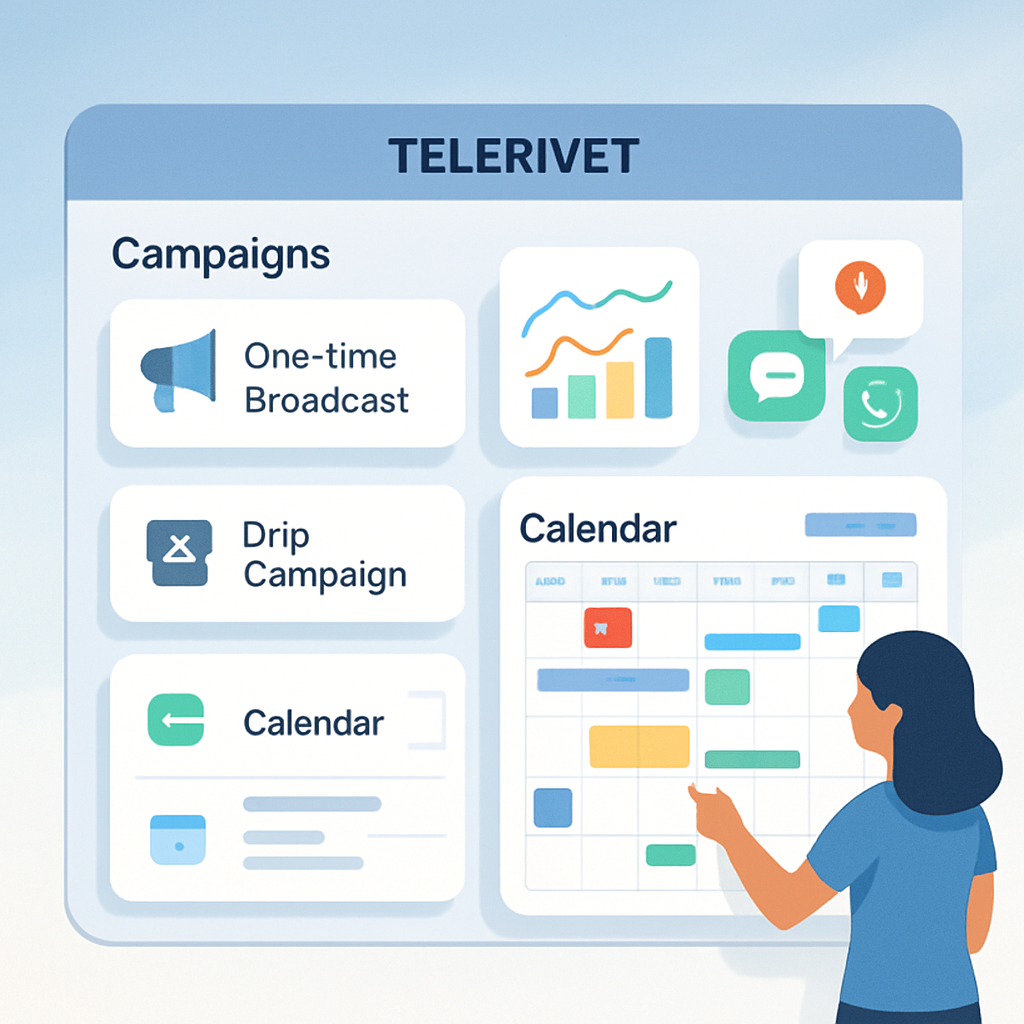
Campaigns in Telerivet: Structured, Automated Messaging
What Campaigns Are in Telerivet
A campaign is a coordinated set of messages sent to a specific audience with a clear purpose. It can be a single broadcast or a sequence that runs on its own.
Automated Services in Telerivet: What They Really Do
As programs expand across regions, channels, and teams, automation needs to do more than fire off a reply. It needs to coordinate journeys, apply the right logic, respect consent, and adapt to real world conditions.
This is where Automated Services come in. A Service brings structure to the moments when people interact with your organization. It helps your system decide what should happen, when it should happen, and who it should happen for.
Simple Personalization Tactics That Make SMS Messages Feel More Human
Most messages fail because they feel like they were written for everyone. People tune out anything that looks generic, automated, or disconnected from their real needs. The fix is simple. A few small personalization tactics can make your messages feel human, intentional, and worth reading.
Smart Ways to Grow Your Messaging Lists and Collect Zero Party Data
Growing a healthy list is not about adding as many contacts as possible for SMS marketing. It is about building an audience that actually wants to hear from you and giving them simple ways to share what they care about.