This is a pattern that repeats across organizations running communication programs at scale. A decision-maker approves the investment, watches the first two quarters, concludes that the returns are thin, and makes one of two moves: they scale back the program, or they switch vendors and start over. Both moves are the same mistake. Both are stepping off the curve right before it turns.
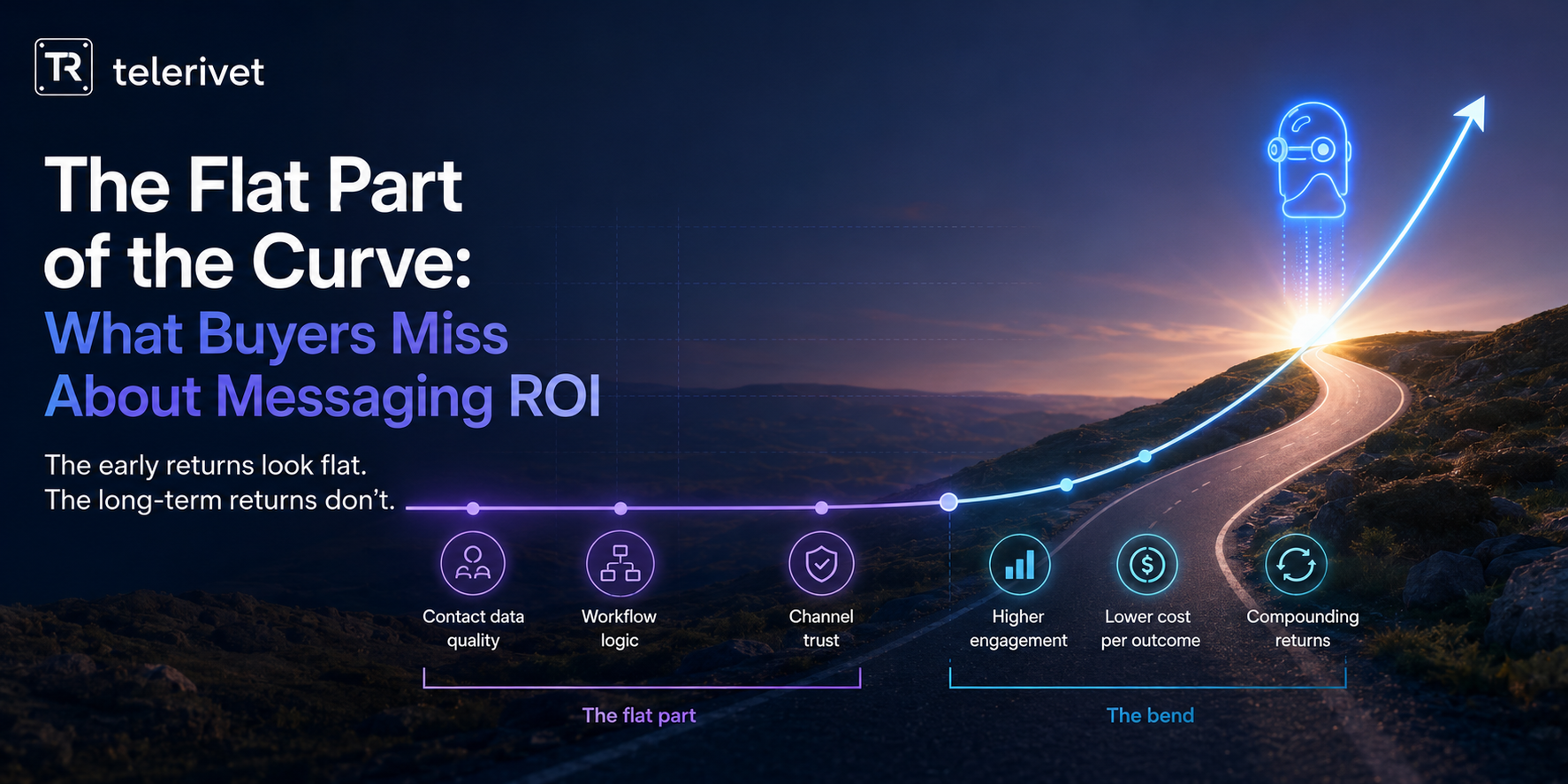
The Flat Part of the Curve: What Buyers Miss About Messaging ROI
Aug 31, 2026
The part almost everyone misses about exponential curves is that for most of their length, they look like nothing is happening. The early stretch of a real compounding curve is nearly flat, indistinguishable from going nowhere.
Business messaging ROI works the same way: a communication program that is building genuine operational value will appear to underperform for months before the returns become visible.
That flatness is exactly why compounders get underestimated, including by themselves, right up until the bend.
Read more »
Multichannel Messaging Strategy: What Your Channel Assumptions Are Costing You
Jul 8, 2026
A multichannel messaging strategy is a plan for how a business reaches its recipients across more than one communication channel (SMS, WhatsApp, voice, USSD, Viber etc) and how it decides which channel to use, when, and for whom. Most organizations have multiple channels available. Fewer have thought through the routing logic: what happens when one channel fails, which channel is actually right for which recipient, and what the operational cost is of getting that wrong at scale.
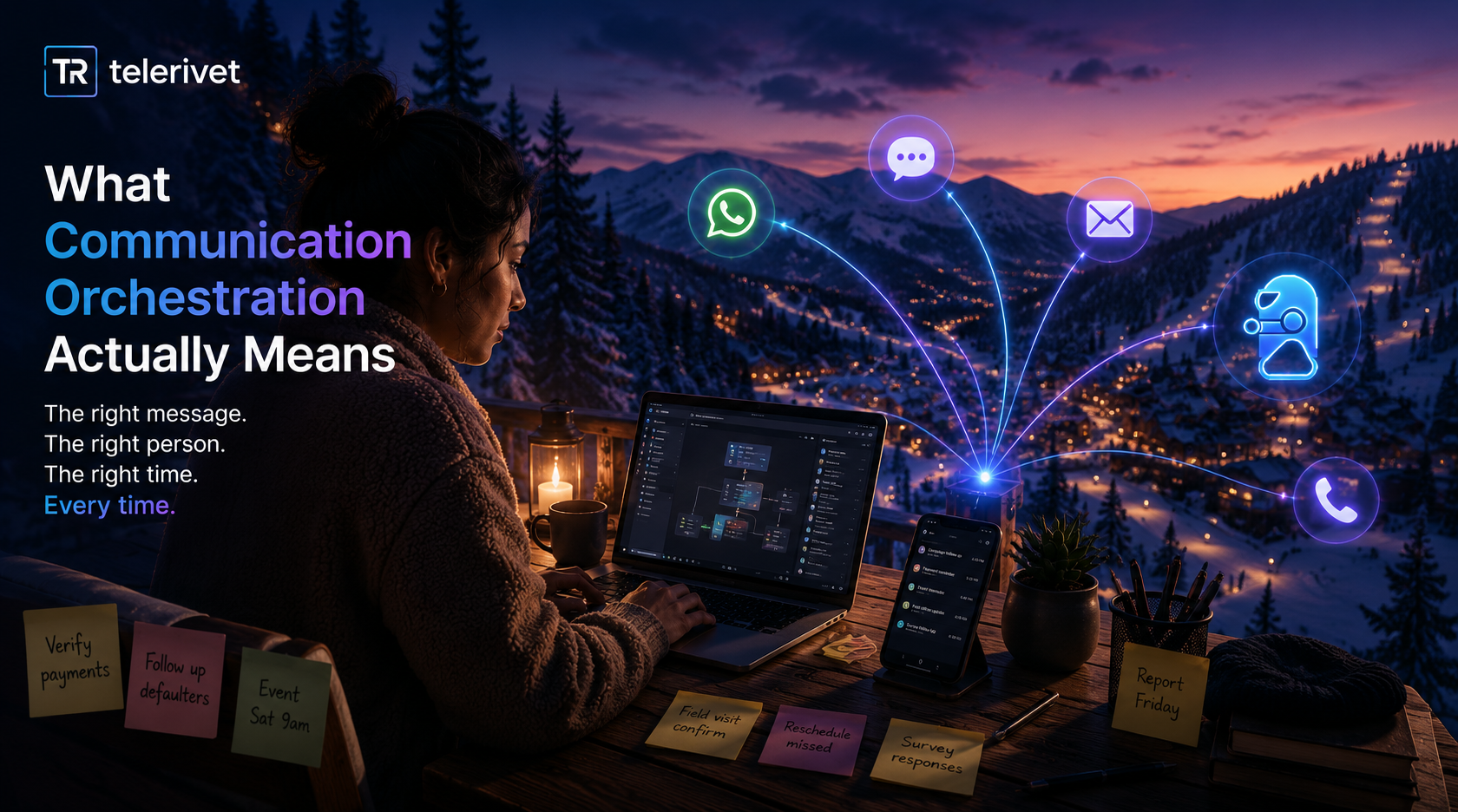
What Communication Orchestration Actually Means for the People Running It
Jul 7, 2026
Most of the organizations I have watched struggle with operational communication have been dealing with the same problem for years without a name for it.
Communication orchestration is that name: the practice of coordinating messages across multiple channels according to a defined sequence and conditions, so that the right message goes to the right person at the right time based on what has already happened, not just based on what someone remembers to send. What I want to do here is not define it further. It is to describe what the problem looks like from the inside, in the working day of the person carrying it, because that is the frame the formal definition almost never starts with.
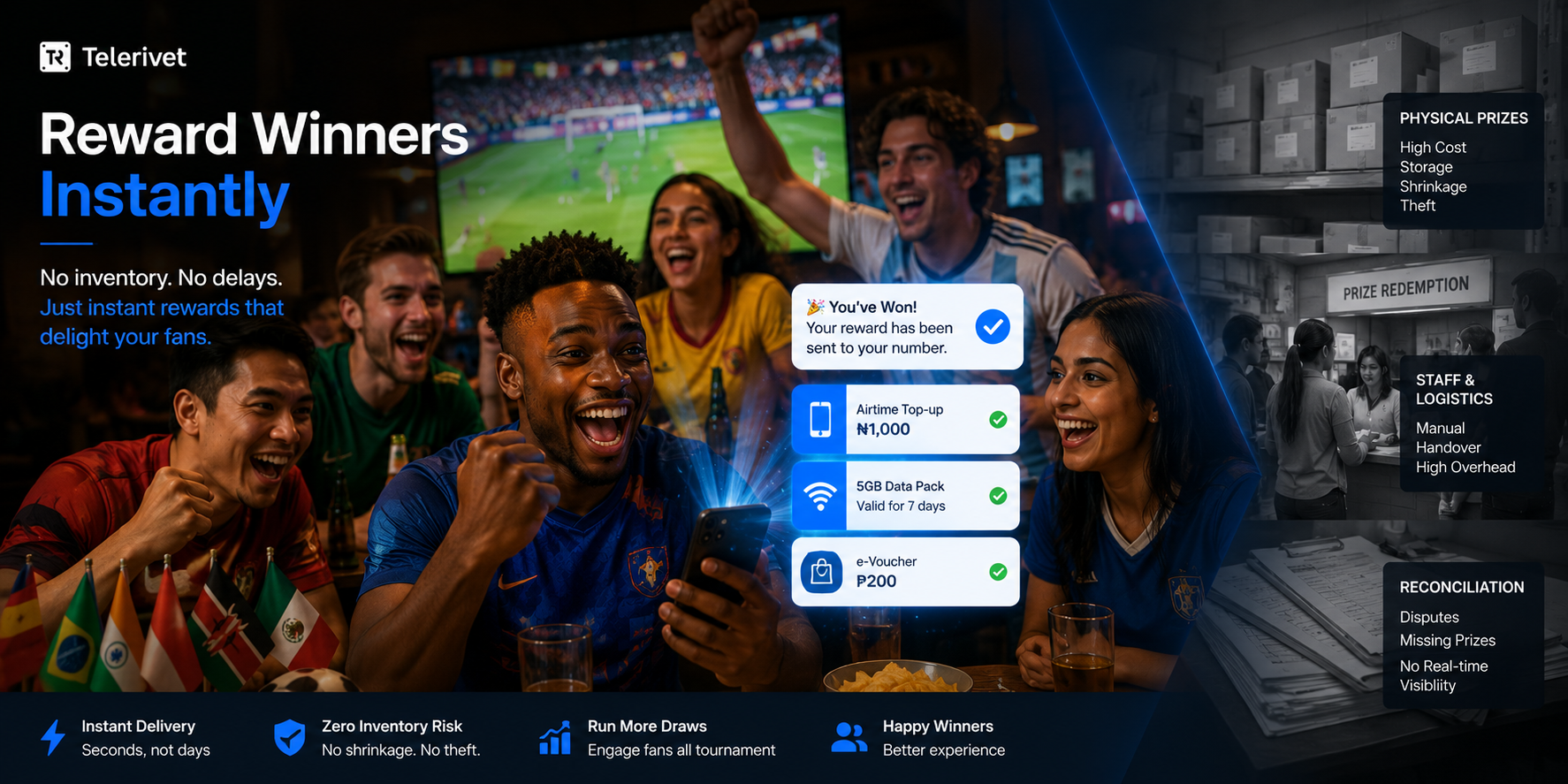
The Round of 32 Is Almost Here. Your World Cup Mobile Contest Prize Should Arrive on Their Phone, Not Behind a Counter.
Jun 23, 2026
A digital reward in a SMS contest is a prize delivered directly to the winner's phone number at the moment of the draw: airtime credit, a mobile data pack, an app-specific bundle, or an e-voucher, with no physical handover, no staff coordination, and no delay between winning and receiving.

The Lines We Draw in the Dark
Jun 14, 2026
On connection, and the oldest thing we do.
Long before we had a word for it, we were already doing it. We looked up at a scattering of unrelated lights, impossibly far apart, and we drew lines between them. We called the lines hunters and rivers and bears. We told stories along them. We turned a random spray of distant fire into something that could be read, remembered, and handed to a child who would hand it to hers. The constellation was never in the sky. It was the line we drew. Meaning was the connection we made between things that were, until we connected them, alone.
How AI is Pushing Enterprise Software Toward Intent-Driven Orchestration
May 19, 2026
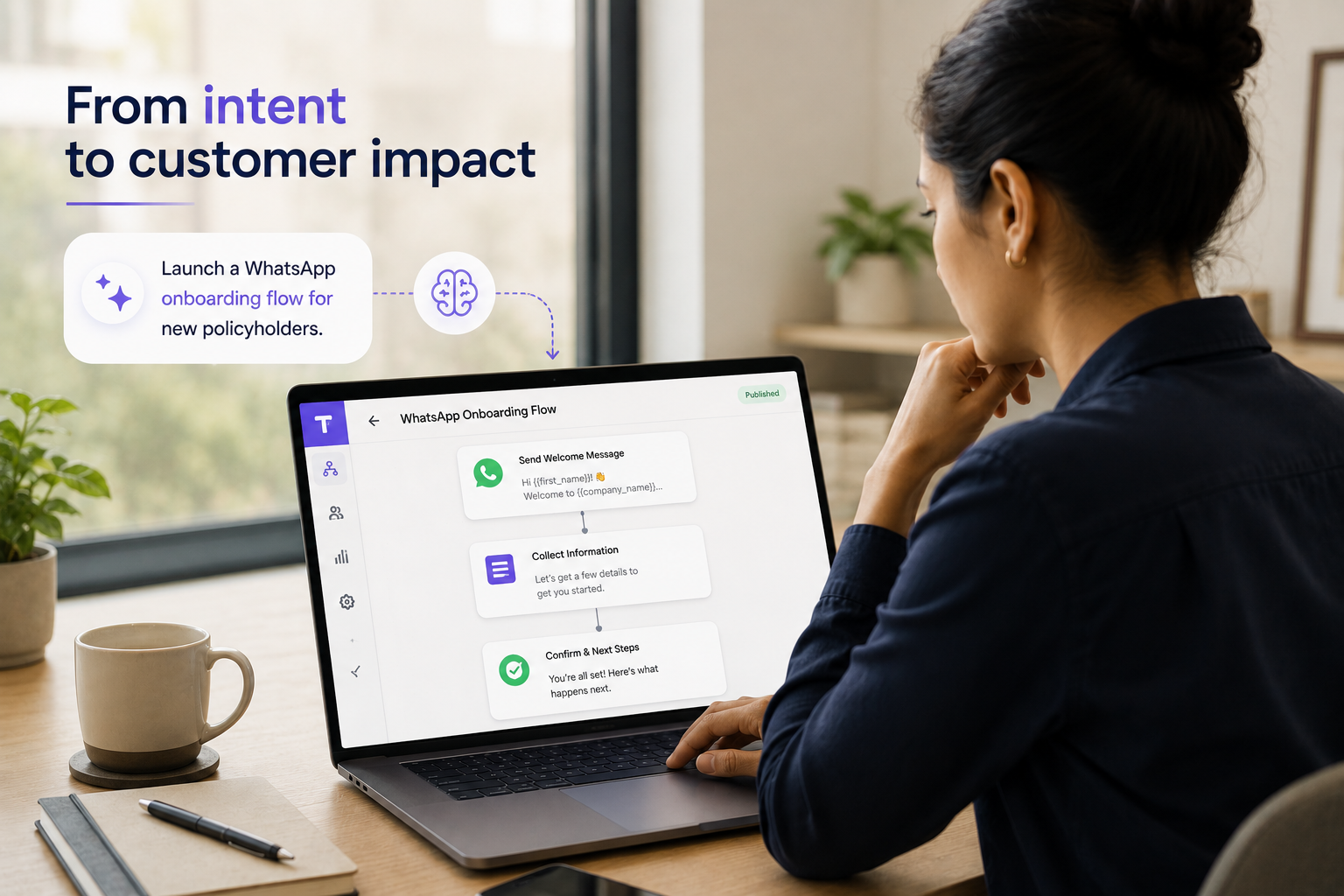
Intent-driven orchestration is a model in which software accepts a description of a desired outcome in plain language or structured intent and configures itself to execute it, rather than requiring a human operator to build the workflow step by step. In communication systems, this means describing a messaging sequence to an AI agent and having the platform build, route, and run it automatically. It is the shift from configuring software to instructing it.
For the last two decades, enterprise software has followed the same basic model: businesses adapt themselves to software..
You Have a Backup Channel. That's Not the Same as a Channel Strategy.
May 11, 2026
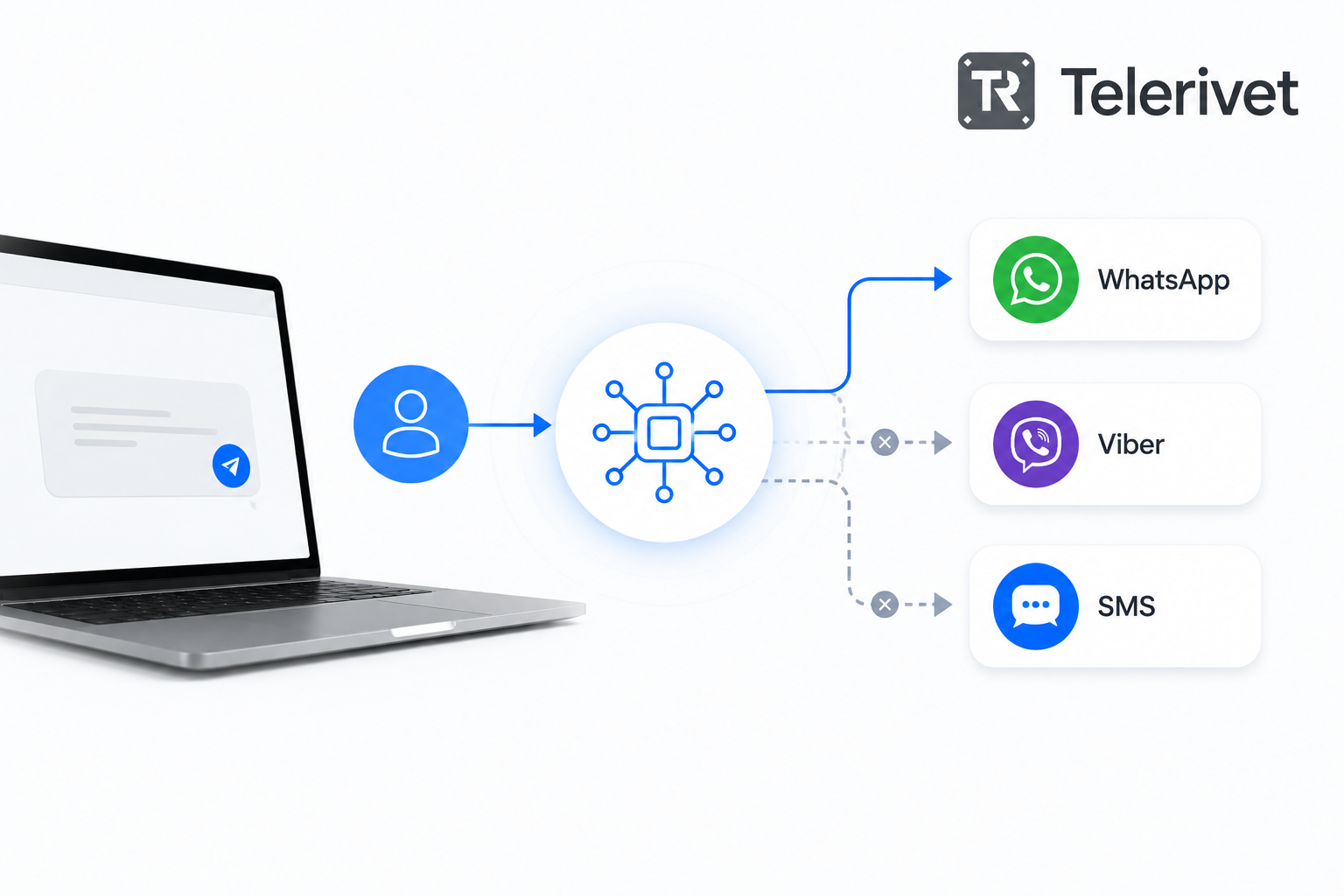
How multichannel fallback becomes a routing layer that optimizes for cost, experience, and reliability simultaneously
Channel strategy is usually treated as a setup decision. You evaluate your markets, pick a primary channel, configure a backup, and move on.
For many organizations, that works until it doesn't.
Why Multichannel Customer Experience Fails and How to Fix It
Mar 11, 2026
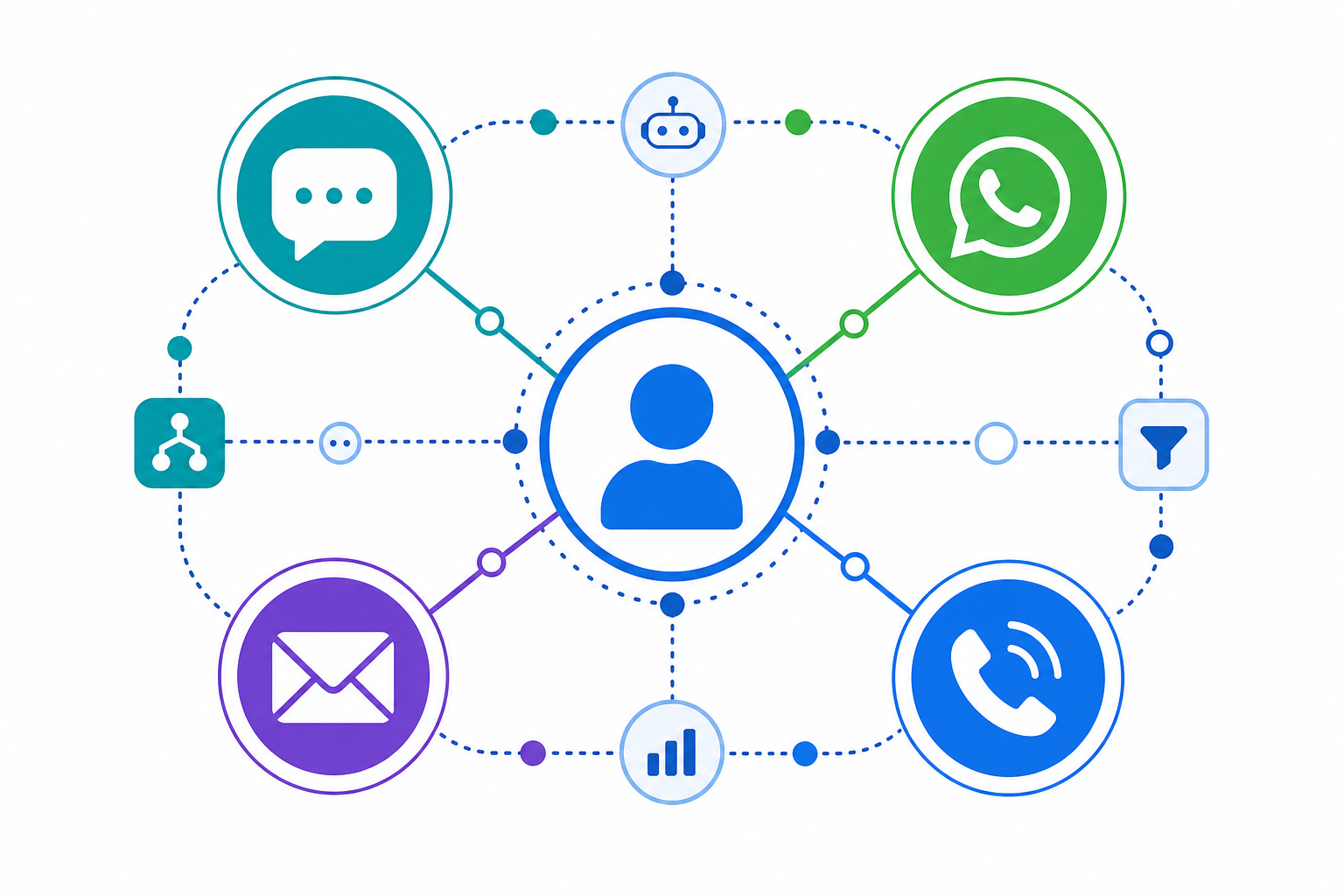
Most organizations have more channels than they have strategy.
SMS goes through one vendor. WhatsApp through another. Transactional email through a platform that nobody in operations can access. Voice sits with a separate IVR provider. Each team manages its own slice, and nobody owns the customer experience end to end.
The Hidden Orchestration Layer in Customer Communication Systems
Dec 31, 2025
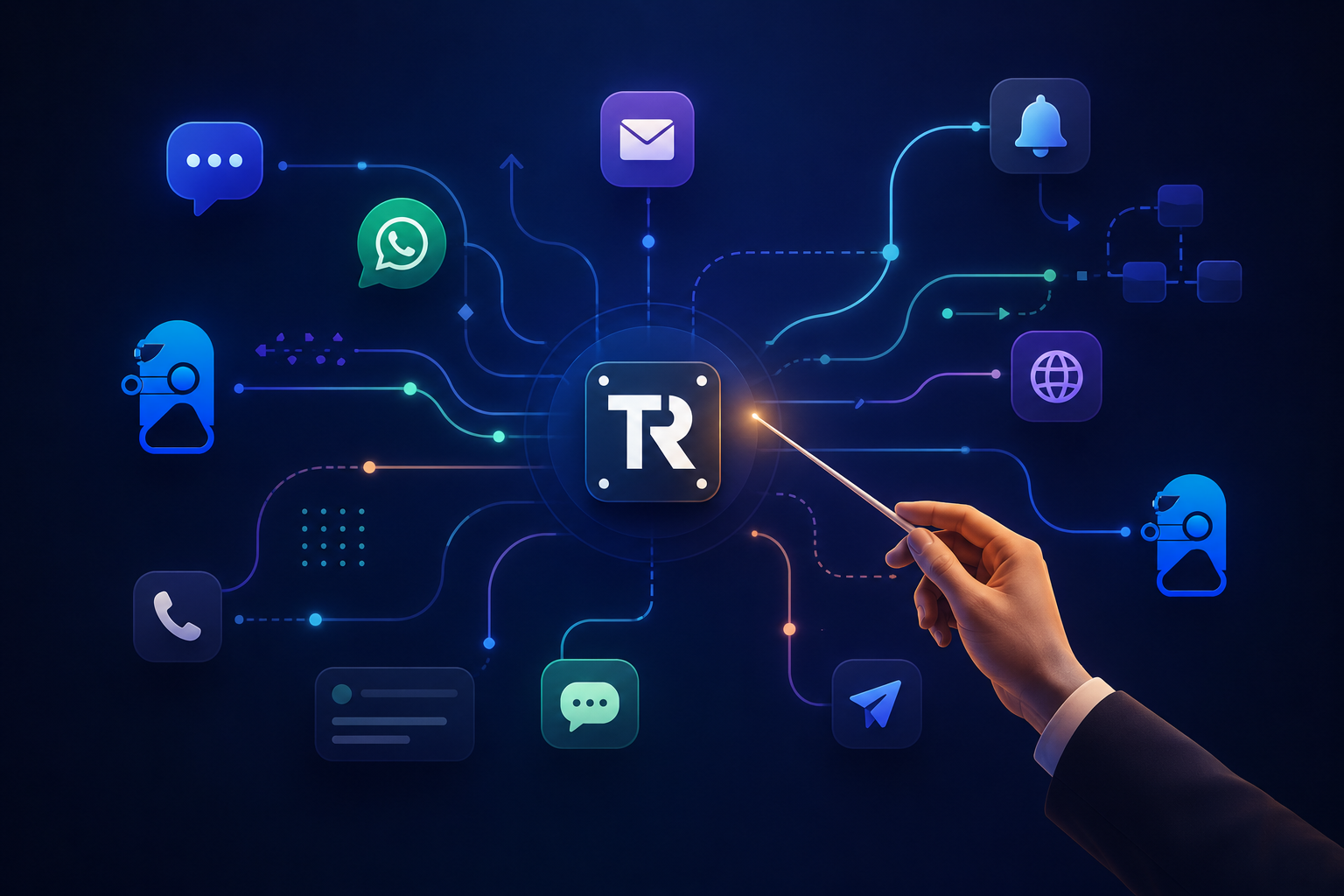
Beneath every customer-facing messaging channel sits a coordination layer that most platforms do not expose: the logic that decides when a message is sent, which channel it travels through, what happens if it fails to deliver, and whether the intended outcome was confirmed. This is the orchestration layer and it is what determines whether a communication system actually works, not just whether it sends messages.
Most communication systems look simple from the outside. A company sends messages, triggers reminders, or responds to customers on SMS, WhatsApp, Viber, or whatever channel is popular in that region. The experience looks straightforward. The reality beneath it is anything but.
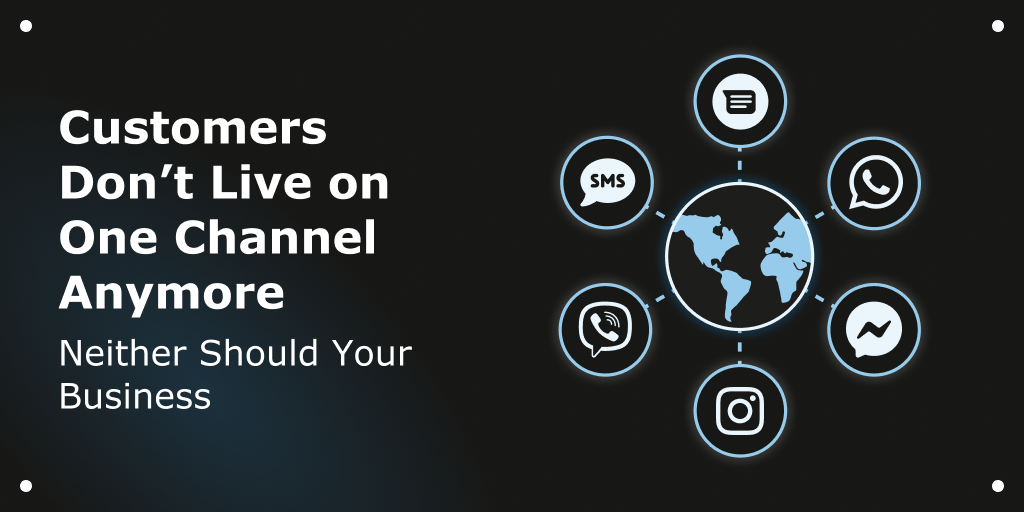
Customers Don’t Live on One Channel Anymore, Neither Should Your Business
Nov 11, 2025
The Hidden Cost of Channel Fragmentation
Your customers move seamlessly between messaging apps. WhatsApp for quick updates. SMS for one-time passwords and transactional alerts. Viber for regional preferences. Messenger for FAQs. To them, it is all one conversation.