This is a pattern that repeats across organizations running communication programs at scale. A decision-maker approves the investment, watches the first two quarters, concludes that the returns are thin, and makes one of two moves: they scale back the program, or they switch vendors and start over. Both moves are the same mistake. Both are stepping off the curve right before it turns.
Connectivity Completeness

The Flat Part of the Curve: What Buyers Miss About Messaging ROI
Aug 31, 2026
The part almost everyone misses about exponential curves is that for most of their length, they look like nothing is happening. The early stretch of a real compounding curve is nearly flat, indistinguishable from going nowhere.
Business messaging ROI works the same way: a communication program that is building genuine operational value will appear to underperform for months before the returns become visible.
That flatness is exactly why compounders get underestimated, including by themselves, right up until the bend.
Read more »
What Is Communication Orchestration? A Practical Definition
Jul 9, 2026
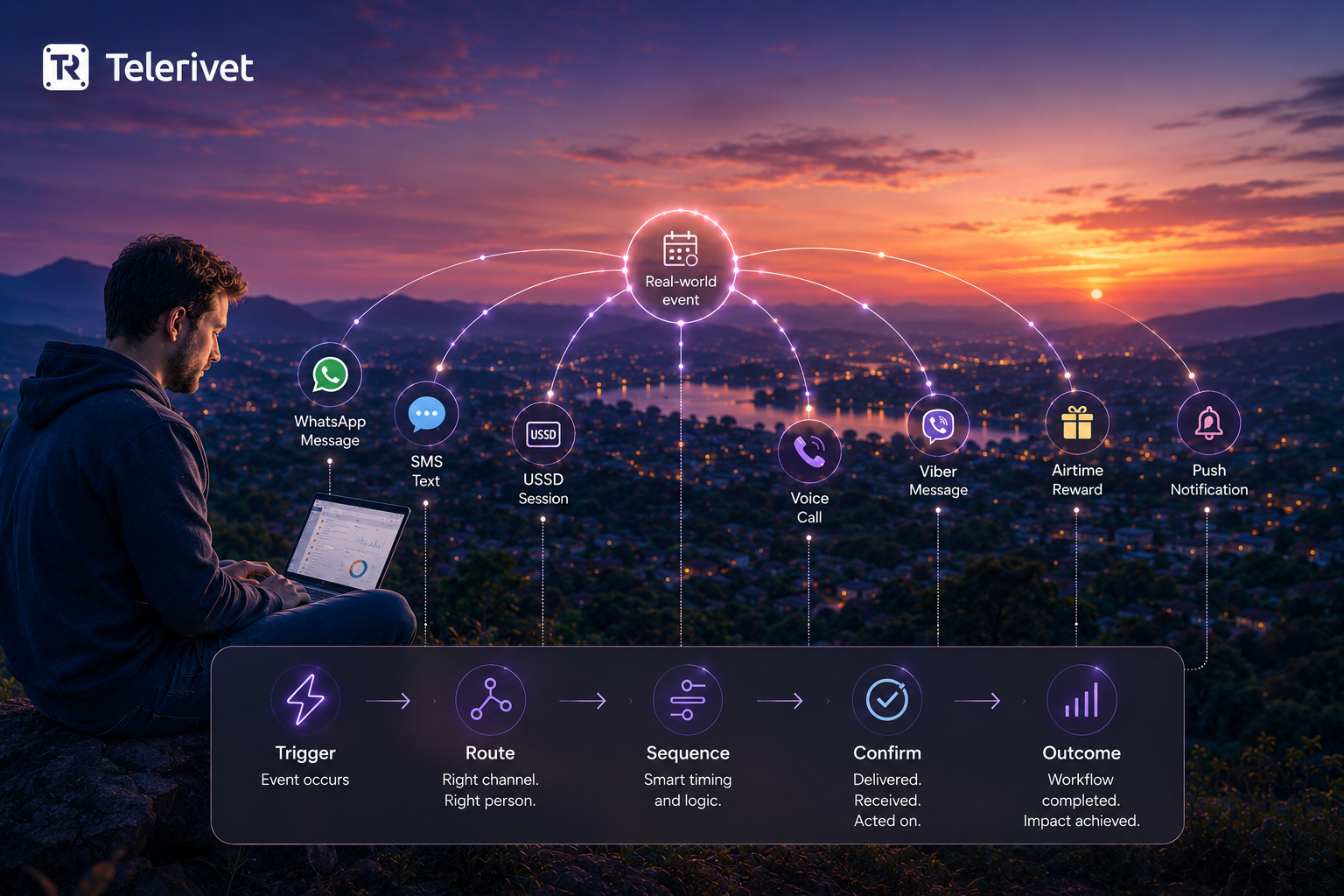
Communication orchestration is the design and automation of how messages are initiated, routed, sequenced, and confirmed across channels based on operational triggers, recipient context, and real-world outcomes.
It is not about which channels an organization uses. It is about the logic that decides when a message is sent, to whom, through what channel, and what happens next depending on whether it lands. Most organizations that start thinking about communication orchestration get stuck on the wrong question. They ask: which channels should we be using? They add WhatsApp alongside SMS. They add voice as a fallback. They document a stack and call it a strategy..
What Is USSD and Why It Still Matters for Mobile Services in Emerging Markets
Jun 22, 2026
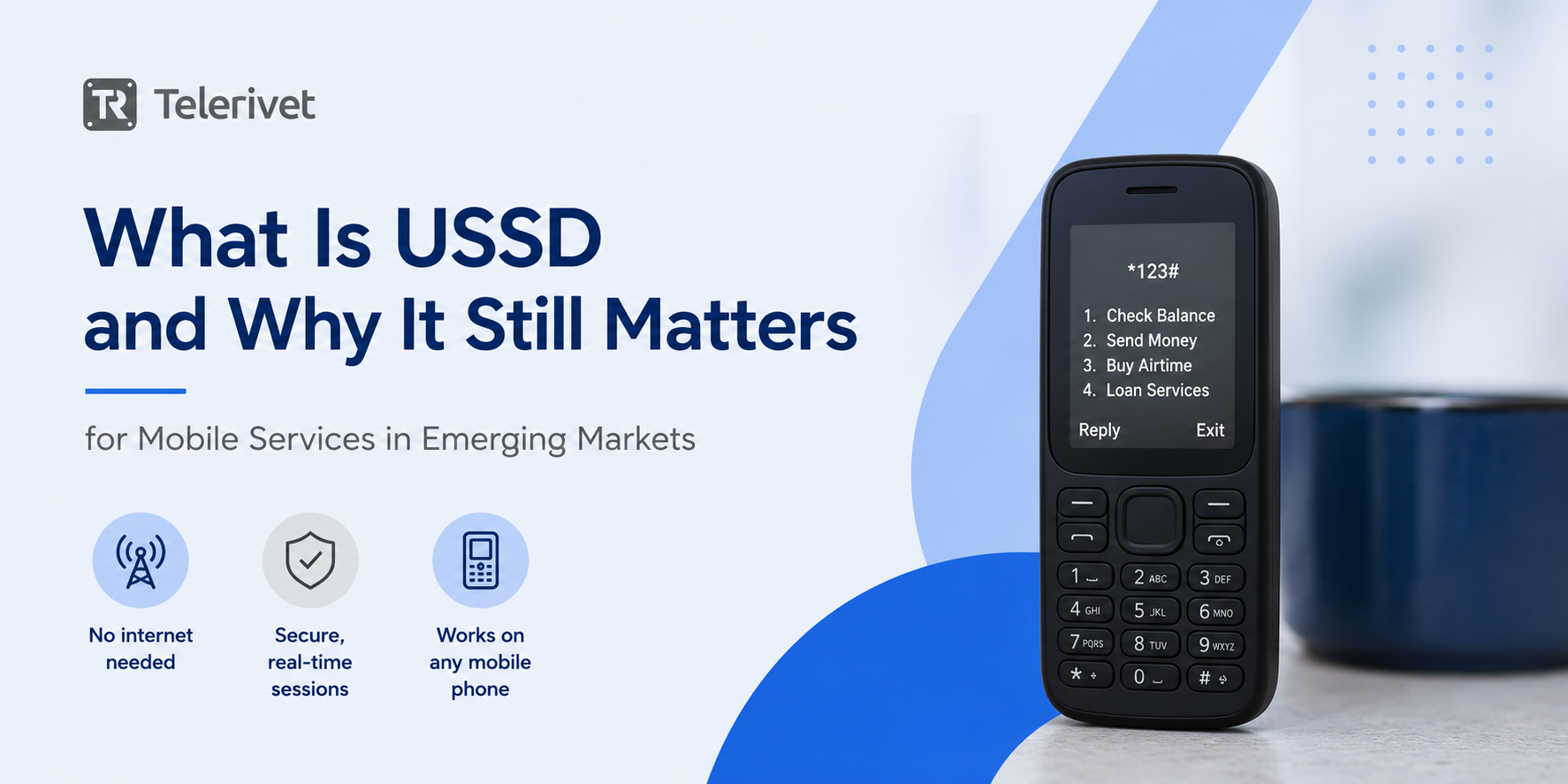
USSD (Unstructured Supplementary Service Data) is a mobile communication protocol that lets users interact with a service through a short code menu without internet, without a smartphone, and without a downloaded app. It works on any GSM handset, including basic feature phones, and runs entirely over the mobile network's signaling channel. Because it requires no data connection and no app, USSD remains one of the most reliable ways to reach mobile users in low-connectivity markets across Africa, Asia, and emerging markets..

The Lines We Draw in the Dark
Jun 14, 2026
On connection, and the oldest thing we do.
Long before we had a word for it, we were already doing it. We looked up at a scattering of unrelated lights, impossibly far apart, and we drew lines between them. We called the lines hunters and rivers and bears. We told stories along them. We turned a random spray of distant fire into something that could be read, remembered, and handed to a child who would hand it to hers. The constellation was never in the sky. It was the line we drew. Meaning was the connection we made between things that were, until we connected them, alone.
What Is Bring Your Own Connectivity? How BYOC Works in Is Bring Your Own Connectivity? How BYOC Works in Telerivet
Jun 12, 2026
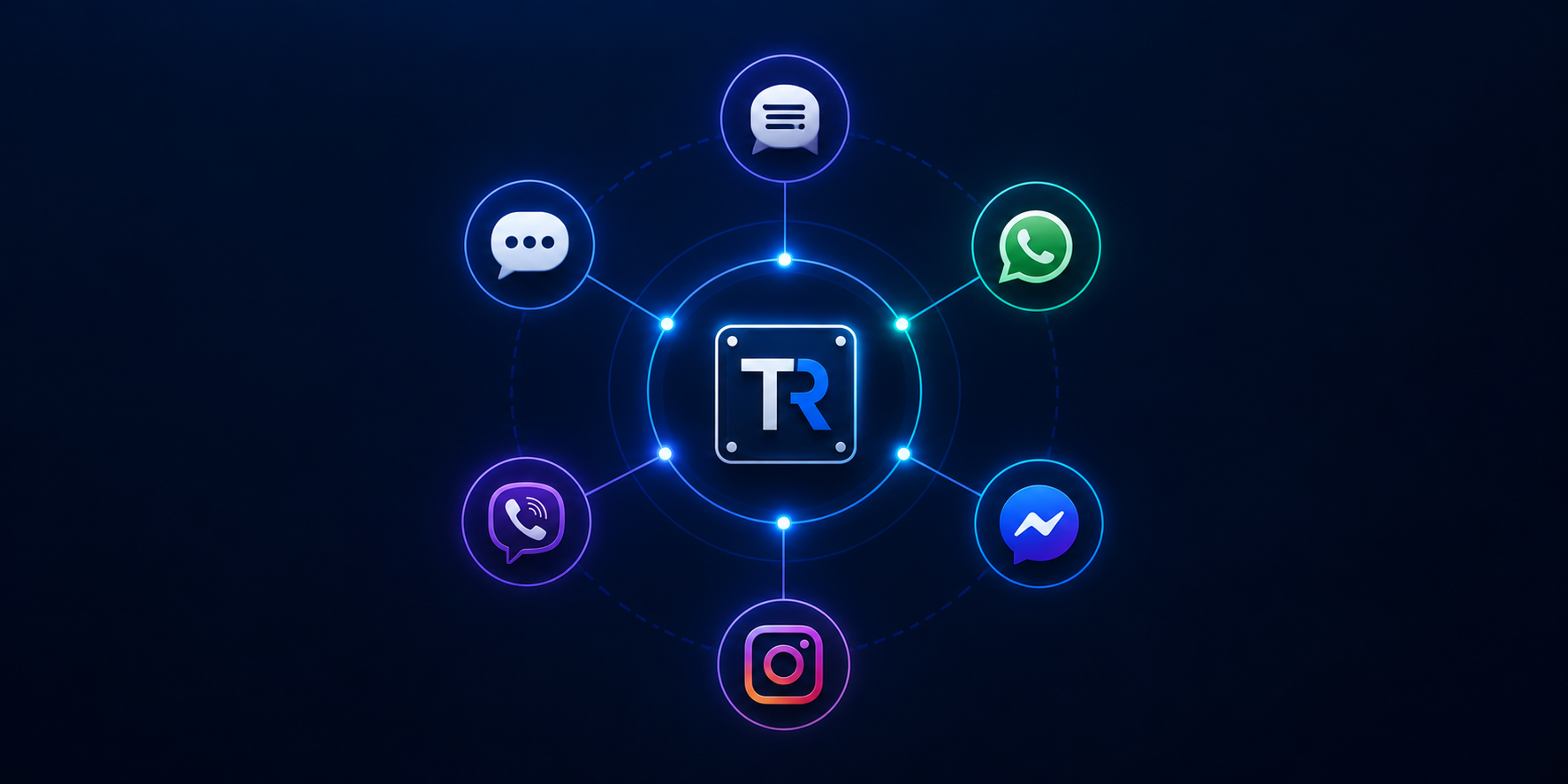
Most messaging platforms sell you two things bundled together: a way to manage and automate your communications, and the routes those communications travel on. The bundling is usually invisible until you try to untangle it.

Telerivet Adds Instagram & Messenger as Official Meta Business Partner
Jun 1, 2026
Telerivet is now an official Meta Business Partner, recognizing our experience helping organizations scale customer communication on WhatsApp.
We’re also expanding our Meta messaging support beyond WhatsApp. Businesses can now connect Instagram professional accounts and Facebook pages directly to Telerivet to manage Instagram DMs, Messenger conversations, WhatsApp, and SMS from one platform.
You Have a Backup Channel. That's Not the Same as a Channel Strategy.
May 11, 2026
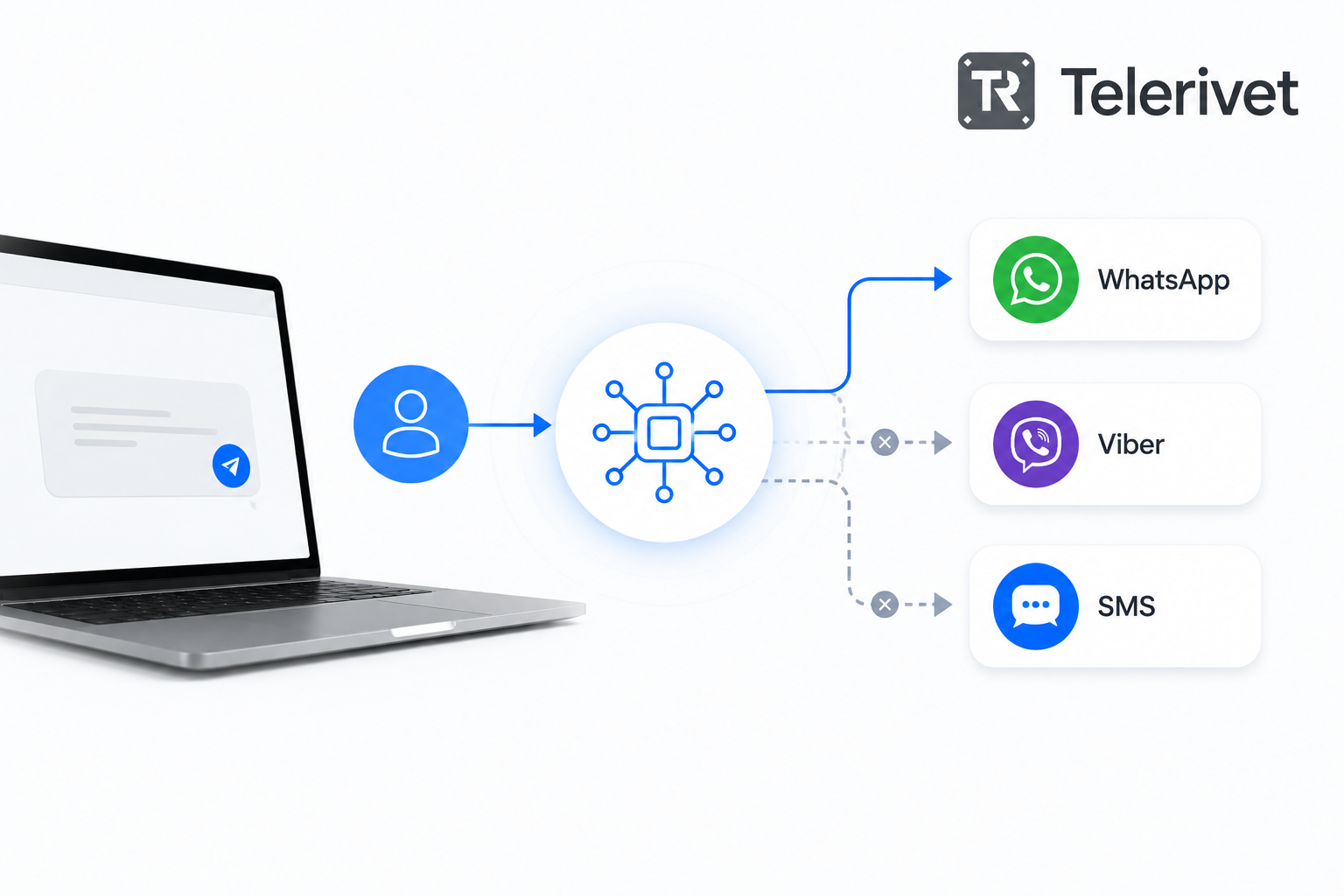
How multichannel fallback becomes a routing layer that optimizes for cost, experience, and reliability simultaneously
Channel strategy is usually treated as a setup decision. You evaluate your markets, pick a primary channel, configure a backup, and move on.
For many organizations, that works until it doesn't.
The Hidden Orchestration Layer in Customer Communication Systems
Dec 31, 2025
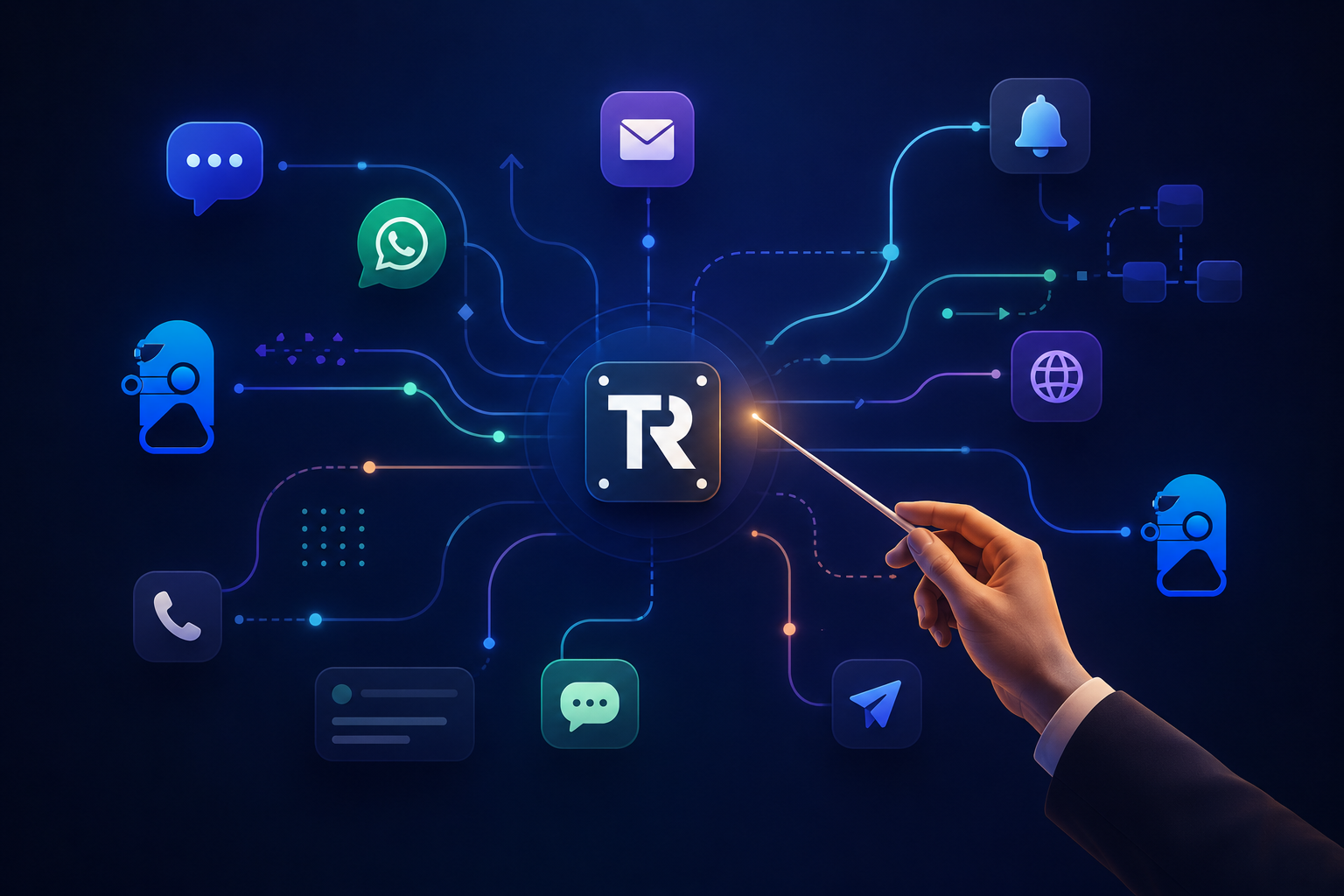
Beneath every customer-facing messaging channel sits a coordination layer that most platforms do not expose: the logic that decides when a message is sent, which channel it travels through, what happens if it fails to deliver, and whether the intended outcome was confirmed. This is the orchestration layer and it is what determines whether a communication system actually works, not just whether it sends messages.
Most communication systems look simple from the outside. A company sends messages, triggers reminders, or responds to customers on SMS, WhatsApp, Viber, or whatever channel is popular in that region. The experience looks straightforward. The reality beneath it is anything but.
Customers Don’t Live on One Channel Anymore, Neither Should Your Business
Nov 11, 2025
The Hidden Cost of Channel Fragmentation
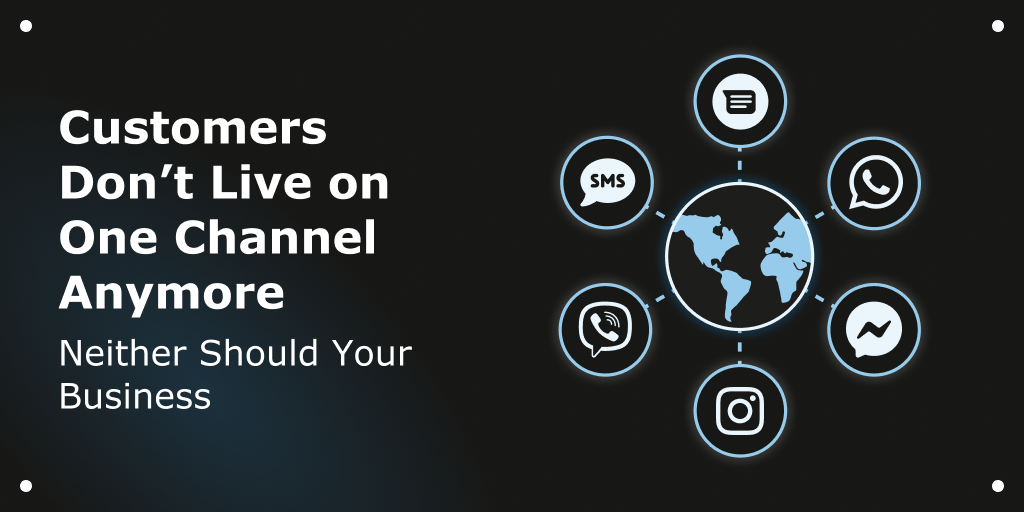
Your customers move seamlessly between messaging apps. WhatsApp for quick updates. SMS for one-time passwords and transactional alerts. Viber for regional preferences. Messenger for FAQs. To them, it is all one conversation.
The Hidden Costs of SMS at Scale: How to Actually Scale SMS
Sep 10, 2025
SMS remains one of the most effective ways to reach users.
But as sending scales, so does the cost.
And not always in ways you expect it to…
This Telerivet article explores where those hidden costs come from and how teams can manage them more effectively.
While high-volume SMS sounds daunting, there are some simple steps you can take to make your life easier and your campaigns more powerful.
We’ll cover:
- What sending SMS normally involves
- The challenges of scaling SMS in one country
- The challenges of scaling SMS internationally
- How to manage the hidden costs of SMS at scale
- Going multi-channel and spreading cost
- SMS cost-optimization across markets with Telerivet
- Leverage analytics to maximize impact
WhatsApp for Enterprise: How to Build WhatsApp into Your Global Communications Strategy
Sep 9, 2025
When messaging is critical to your operations, basic tools aren’t enough.
Telerivet goes beyond simple connectivity to give global teams the infrastructure, support, and control they need to scale WhatsApp communication alongside their other channels.
In this Telerivet article, we’ll cover:
- Should WhatsApp be part of a corporate communications strategy?
- What options does WhatsApp offer for business?
- The integrated WhatsApp enterprise strategy for international reach
- How to be multichannel with Telerivet
- Telerivet Enterprise: More than connectivity
- Telerivet: Messaging when it matters