Civic observation field coordination is the real-time communication workflow that connects a central operations team with distributed volunteers across three phases: assignment dispatch before the window opens, structured status reporting during it, and escalation routing when anomalies arise. In most emerging markets, this workflow runs on SMS because SMS is the only channel that reaches every volunteer regardless of device type, data plan, or connectivity level.
Running a civic observation program is one of the more demanding field coordination problems in the public sector. You have hundreds or thousands of trained volunteers deployed across dispersed locations. The operational window is compressed and often unpredictable. Every check-in missed, every assignment unclear, every escalation that reaches the wrong person has consequences that compound quickly. And unlike most field programs, there is rarely a second window to fix what went wrong.
SMS
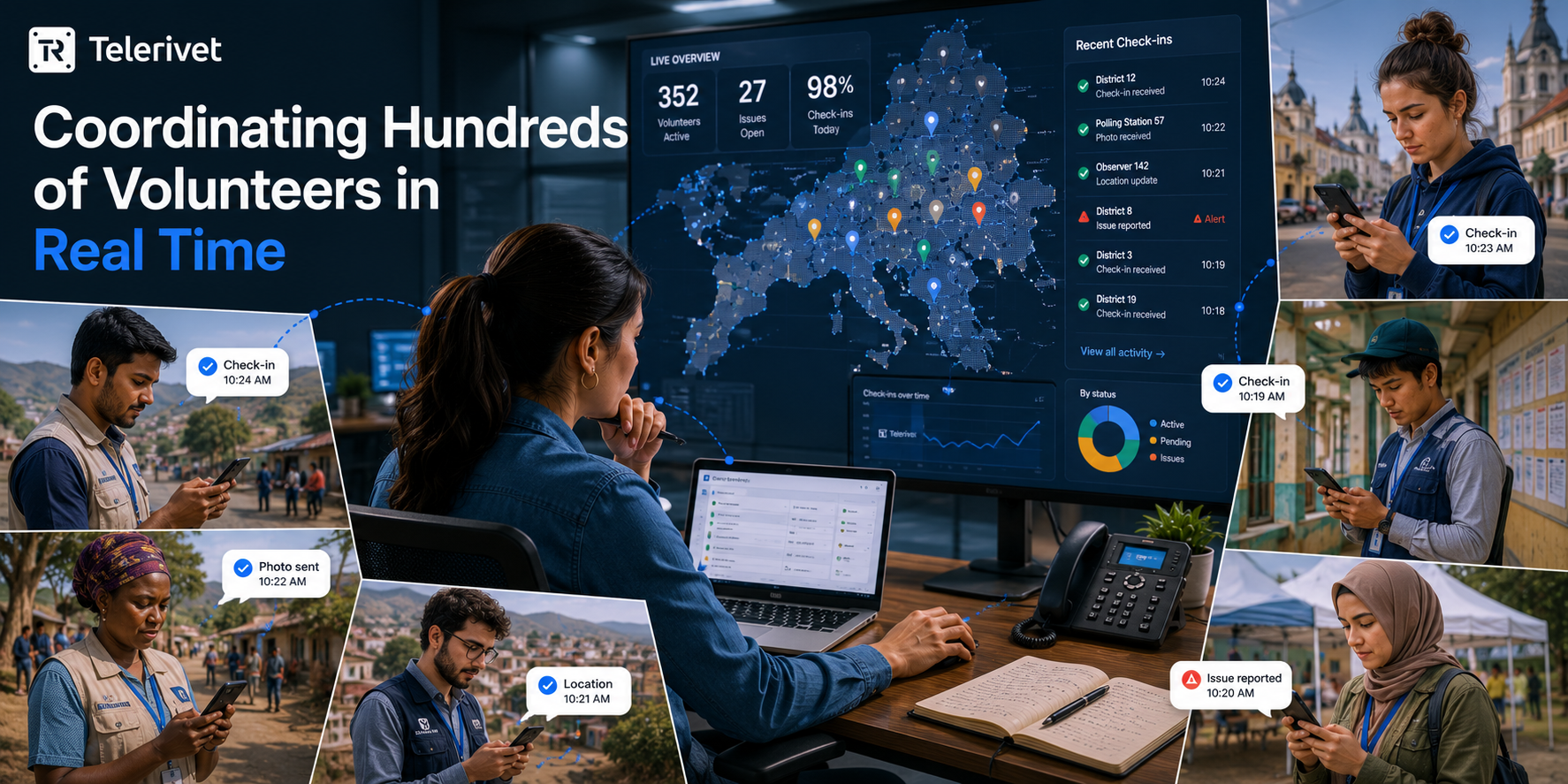
How Civic Observation Programs Coordinate Hundreds of Volunteers in Real Time
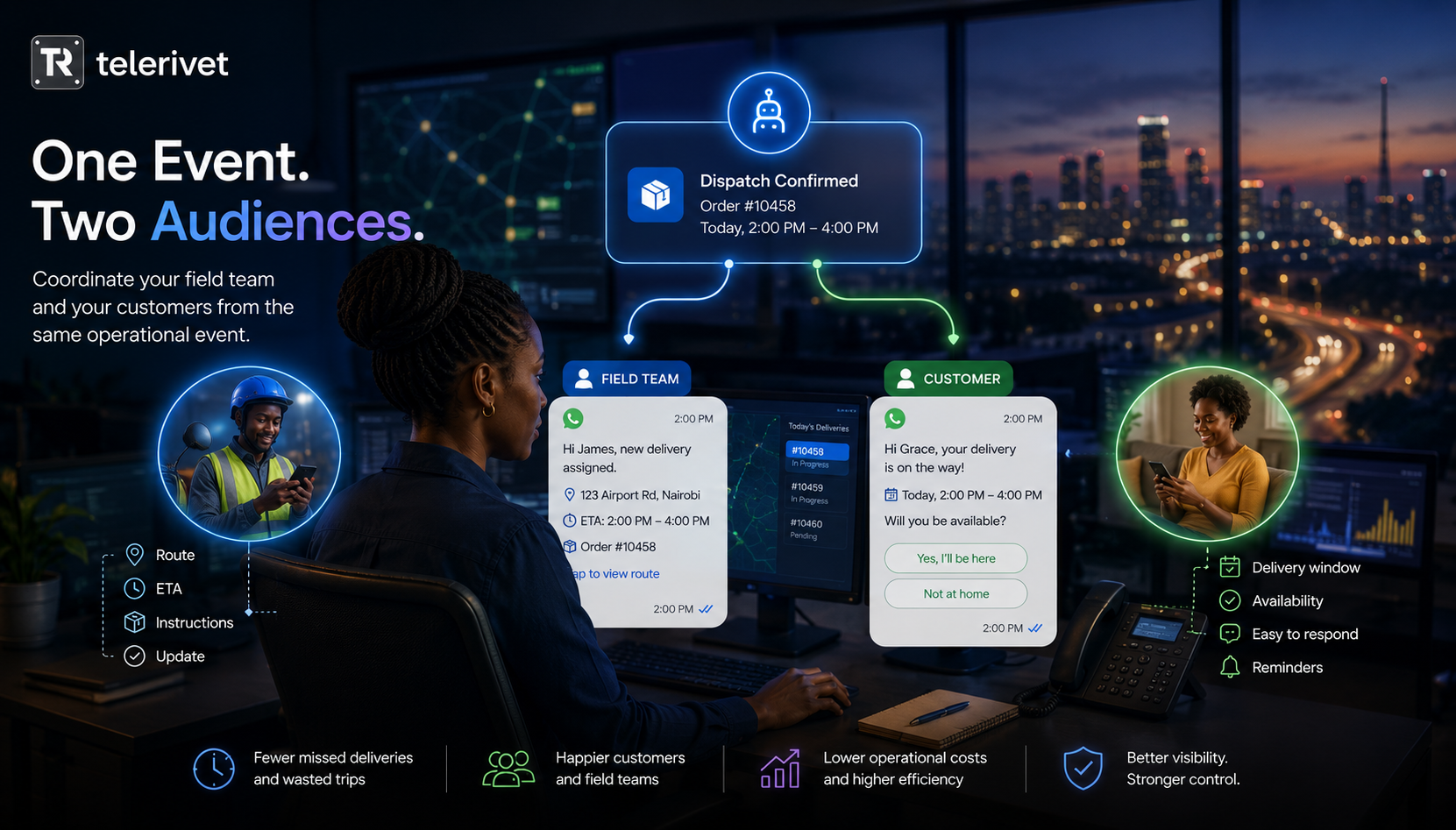
The Simultaneous Coordination Problem: Your Field Team and Your Customer Both Need a Message at the Same Time
Most organizations that run field operations have learned to communicate with their field teams. They send dispatch instructions. They receive delivery confirmations. They track location and status through some combination of messages, calls, and spreadsheet updates. That part, however imperfectly, tends to work.
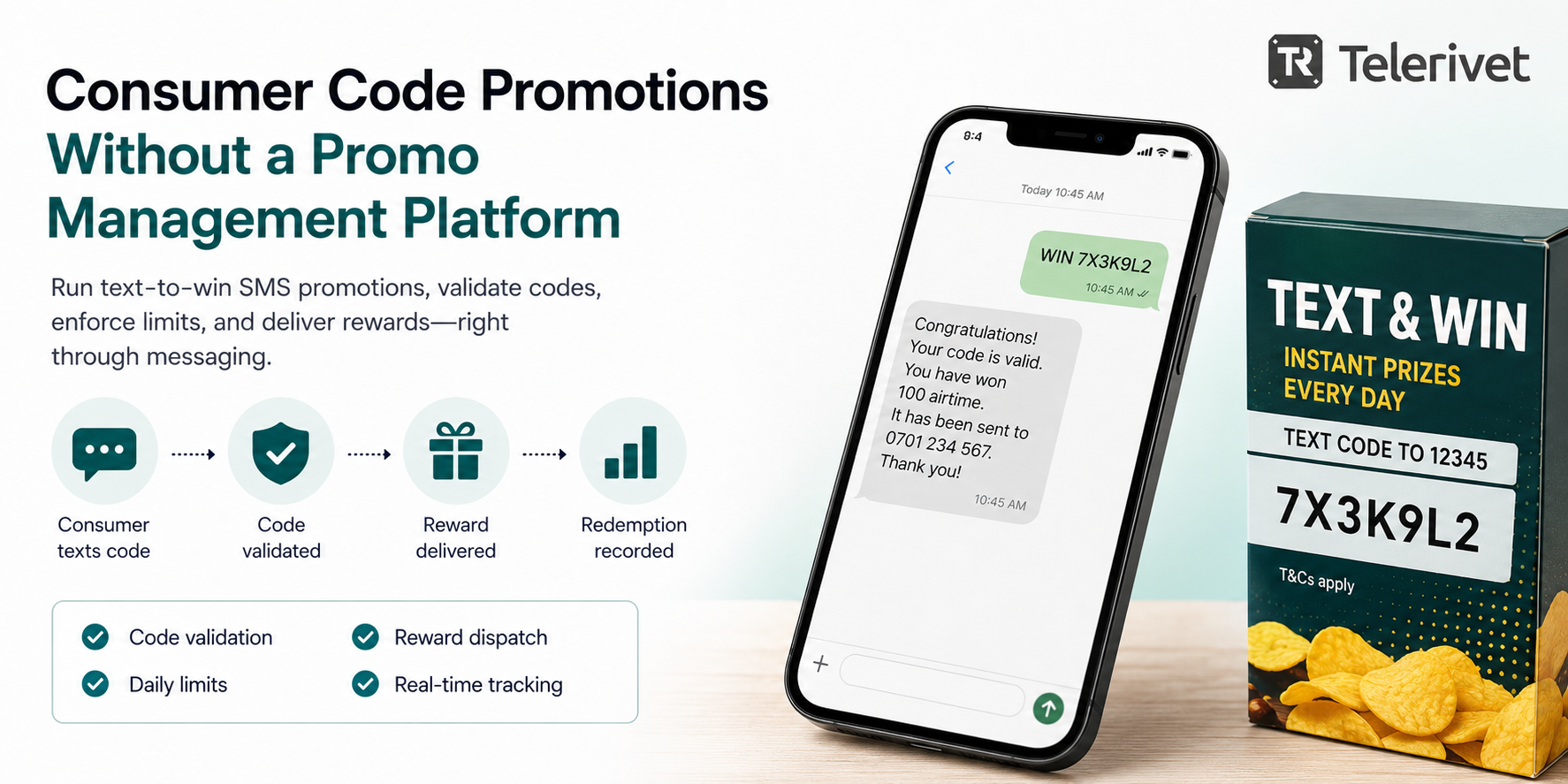
Consumer Code Promotions Without a Promo Management Platform
A consumer SMS code promotion is a campaign in which customers send a code (found on a product, receipt, or packaging) to a short code or long number via SMS, and receive a reward or response based on the validity and status of that code. Running one without a dedicated promotional management platform requires the same core functions to be handled somewhere: code validation, duplicate and fraud prevention, reward dispatch, and response logic for invalid or expired codes. The question is whether those functions need a standalone platform or whether they can be built into a configurable messaging workflow..
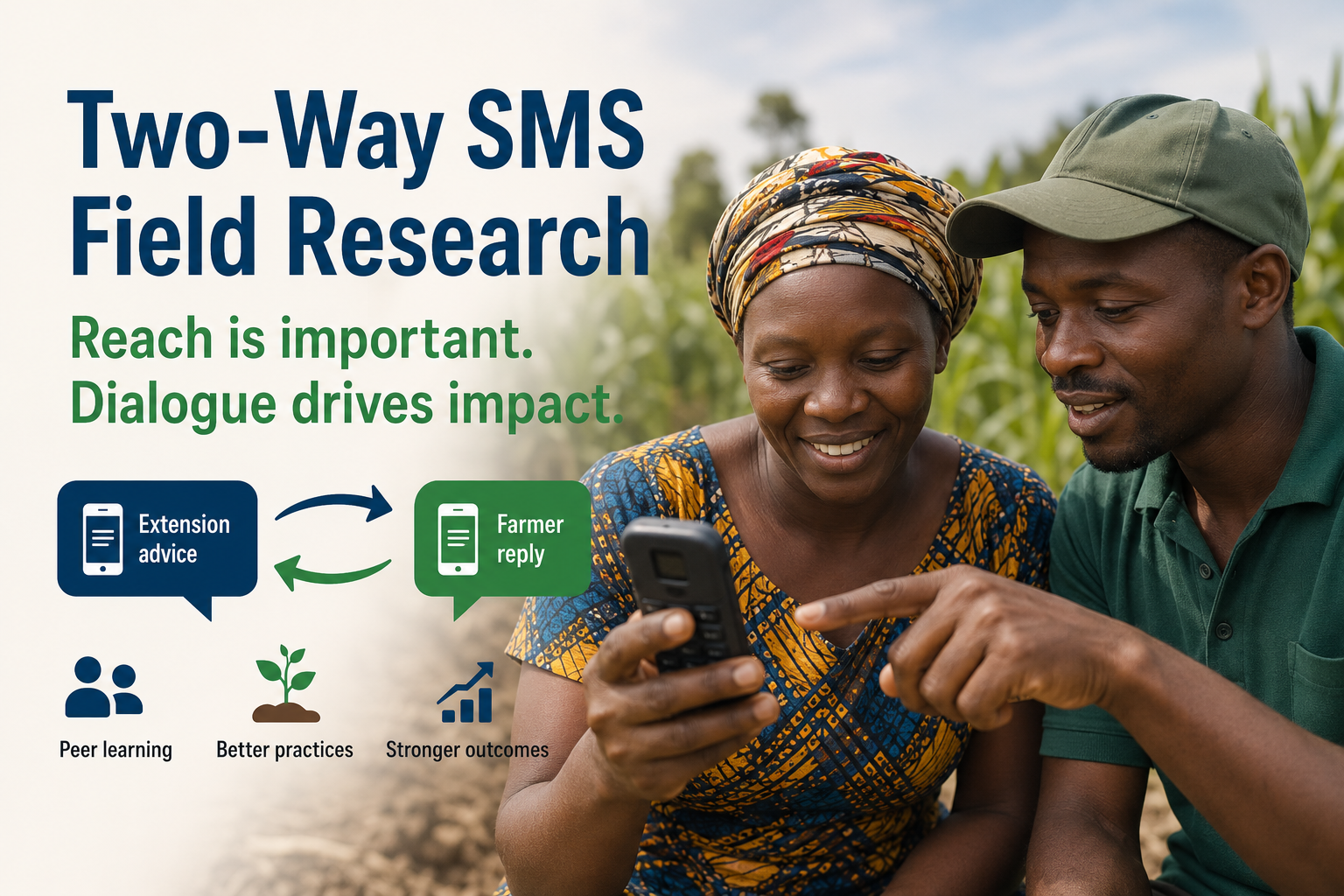
What a Tanzania Field Study Taught Me About Reach Versus Dialogue
Before I started Telerivet, I spent two years as a Peace Corps volunteer in Tanzania, working on local ICT skills in communities where a feature phone was often the only computer anyone owned. What stuck with me was not the technology itself, but how much people did with it once they could talk back instead of just receive.
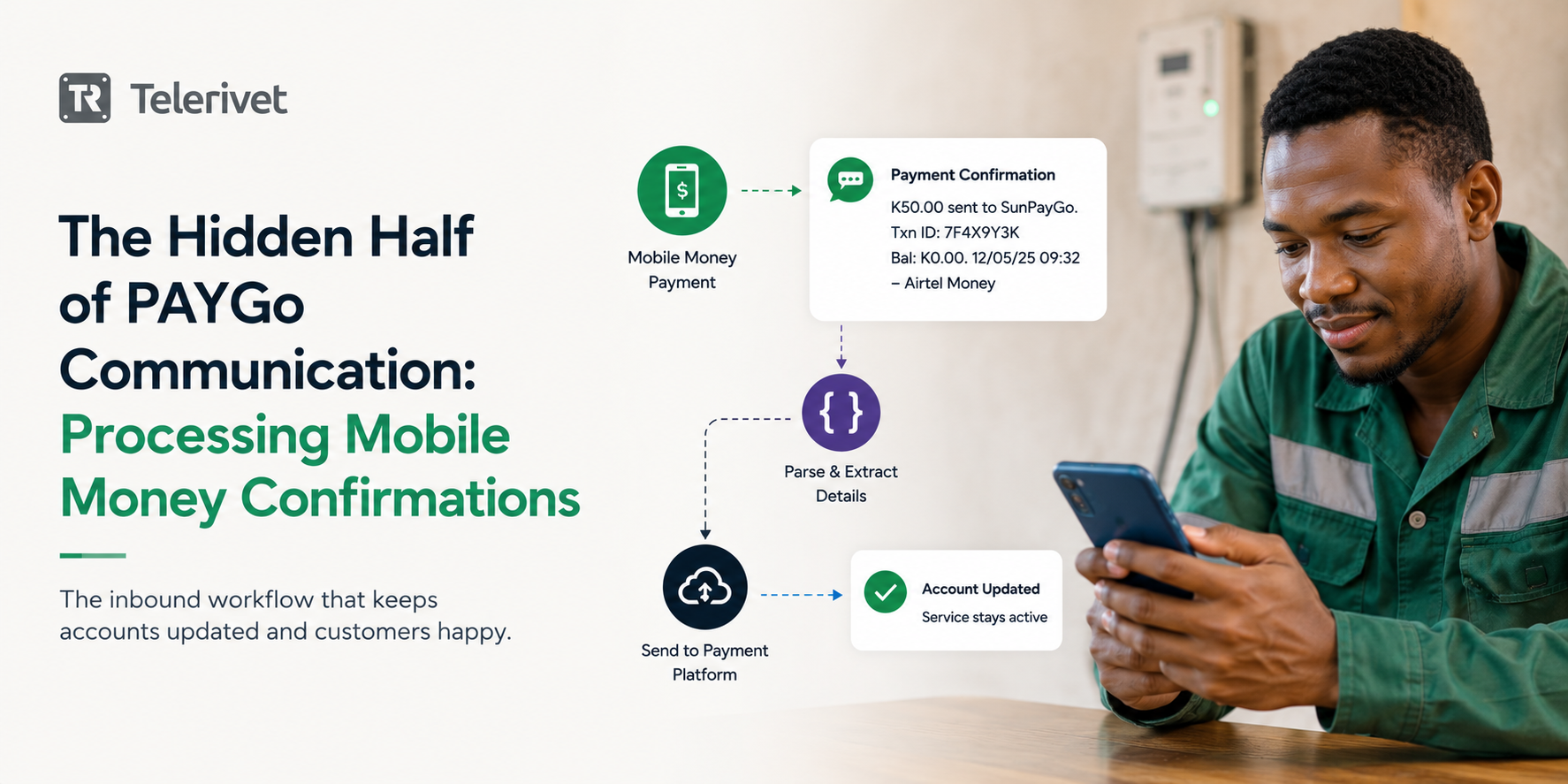
When Mobile Money Payments Arrive but Accounts Don't Update
When a mobile money payment arrives for a PAYGo solar account, a loan repayment, or a utility service, the payment itself is only half the workflow. The other half is the inbound confirmation: the system that detects the payment, parses the transaction details, matches it to the correct account, and triggers the downstream action, enabling the device, updating the balance, sending a customer confirmation. Most operators build the outbound half carefully and underinvest in the inbound half. That is usually when they discover what the inbound half costs when it fails.
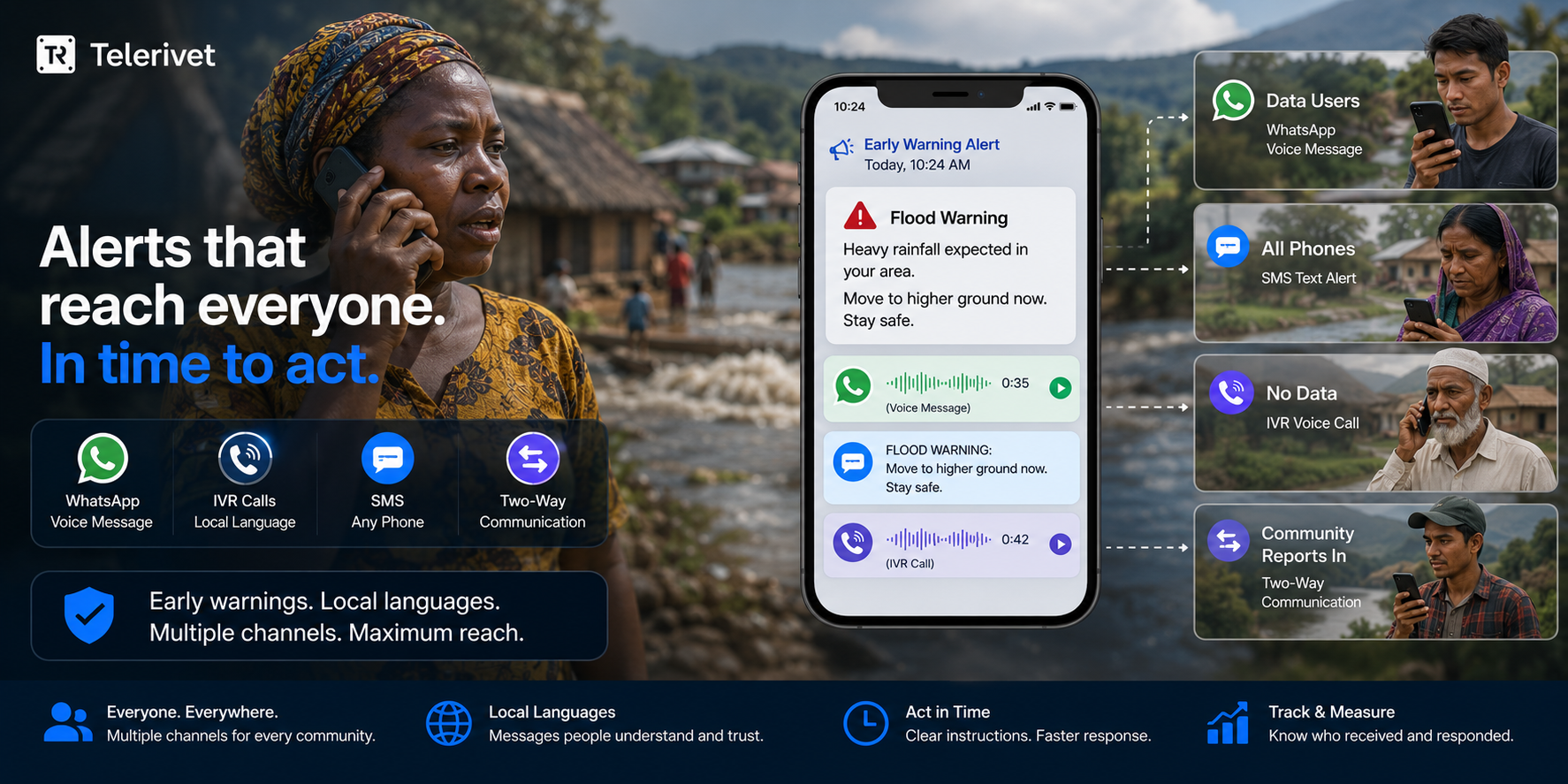
Reaching the People at Risk: How Mobile Communication Closes the Last Mile Gap in Multi-Hazard Early Warning Systems
An early warning system (EWS) that successfully alerts a dispatch team but fails to reach the community at risk has not completed its job. In disaster risk reduction (DRR) practice, the difference between a warning sent and a warning received, understood, and acted upon is often where lives are lost.
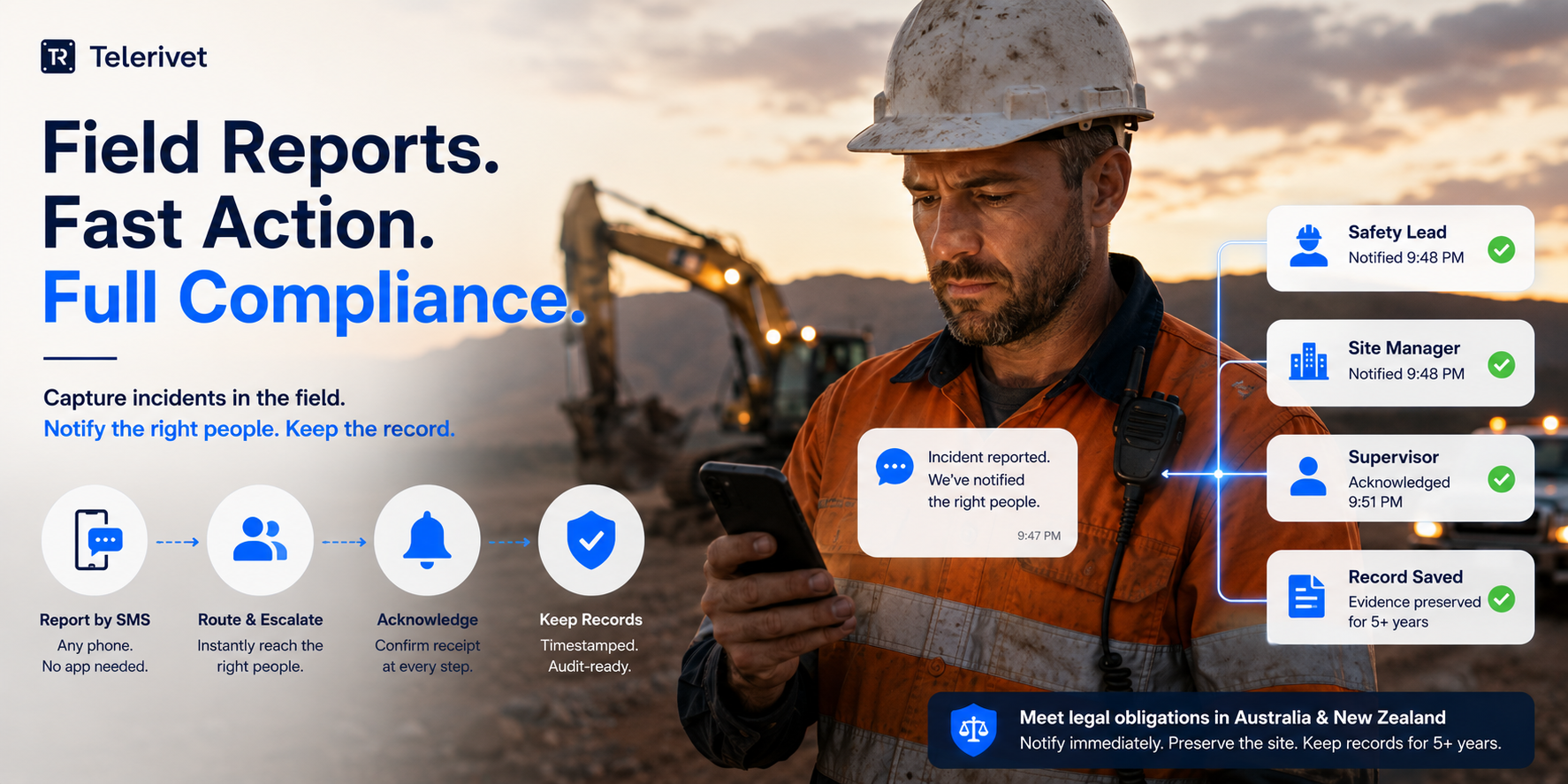
Workplace Incident Reporting in Australia and New Zealand: The Worker's Side of the Record
A worker is injured at a remote site on a Friday night. Their crewmate calls a supervisor, who is off shift. The supervisor texts the site manager in the morning. The site manager mentions it to the safety lead on Monday. Somewhere in that chain, a legal clock has been running the whole time, because in Australia and New Zealand the duty to notify the regulator starts the moment the business becomes aware of the incident. Awareness travels exactly as fast as your reporting channel.
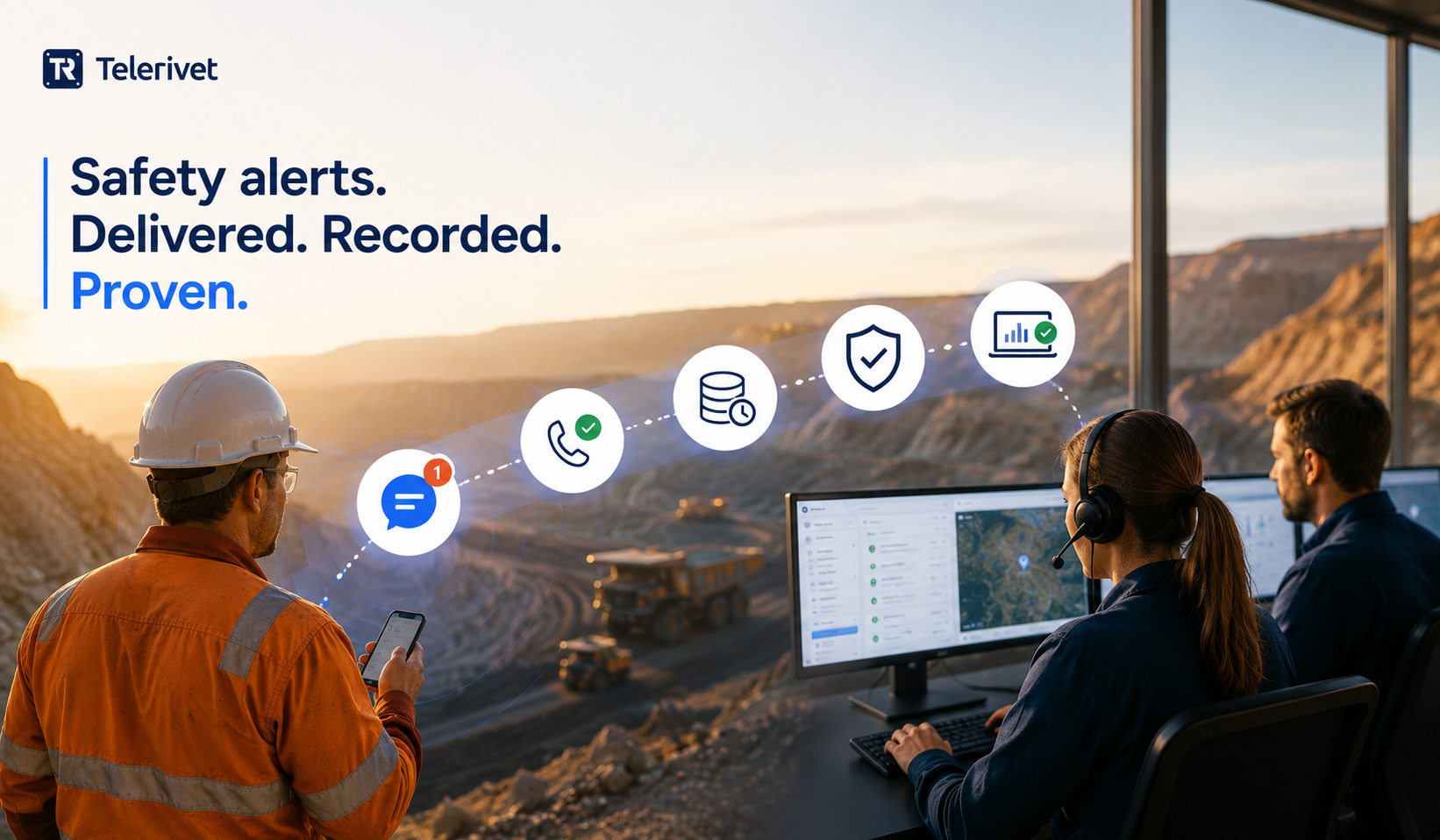
Delivered Is Not the Same as Received: The Case for Acknowledgment-Based Alerting
Every operations lead has lived this conversation. The alert went out. The dashboard shows delivered. And the driver, the field tech, the miner or the borrower says, with complete sincerity, that they never got the message. Both sides are telling the truth, because "delivered" and "received" describe two different events, and the gap between them is where incidents, missed payments, and failed audits live.
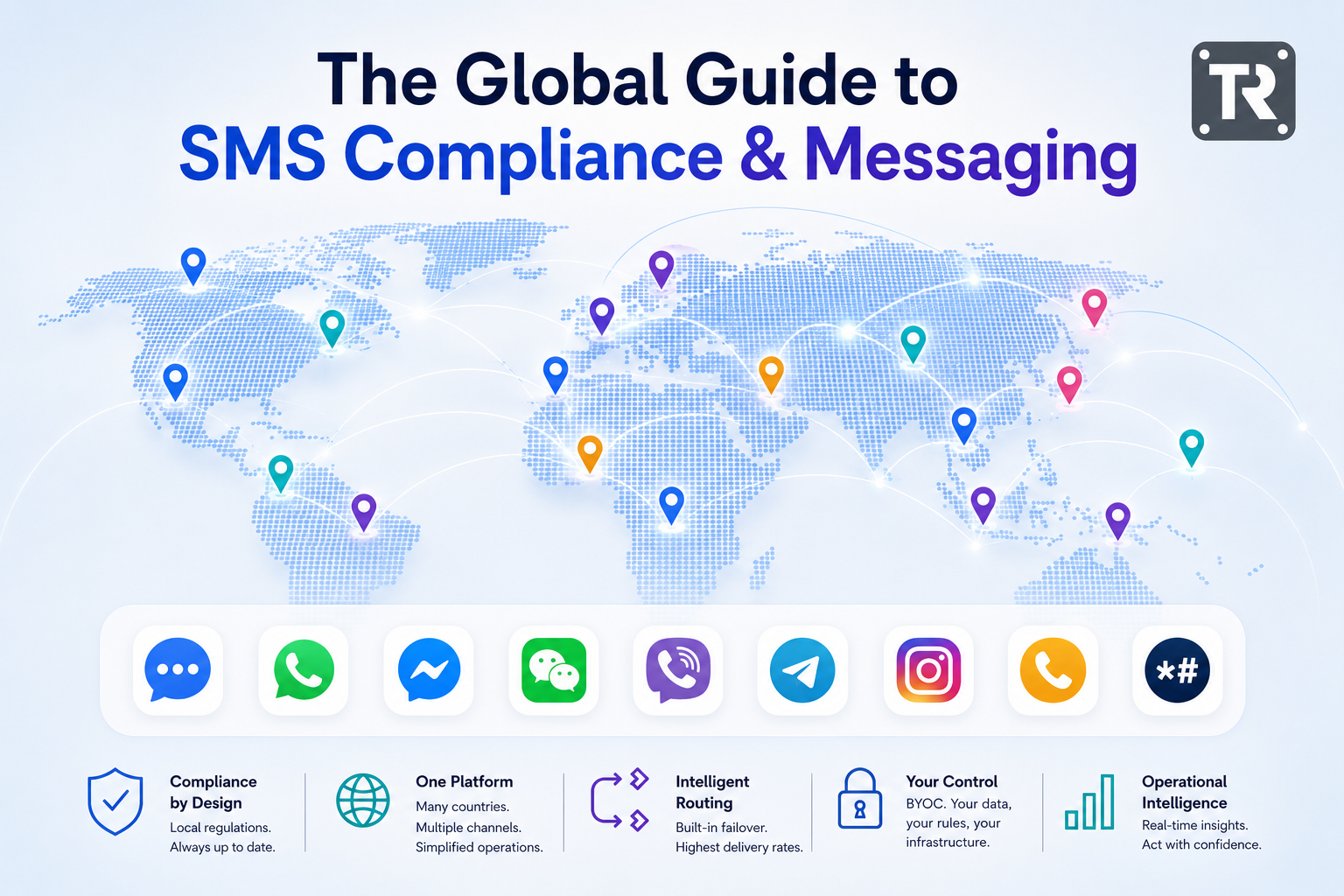
SMS Regulations by Country: The Global Compliance and Operational Architecture Guide
Most SMS programs that fail internationally do not fail because someone broke a law. They fail because a team designed a workflow for one market, assumed the architecture transferred, and discovered too late that it did not. Two-way SMS is unavailable for standard A2P channels in six of the markets covered in this guide. Japan's major carriers aggressively filter URLs in SMS. Mexico replaces every branded sender name with a short code. The UAE mandates an "AD-" prefix on every promotional sender ID or the message fails. Vietnam requires the brand name to appear in the message body itself, not just in the sender field. None of these are obscure edge cases. They are the standard operating environment in those markets.
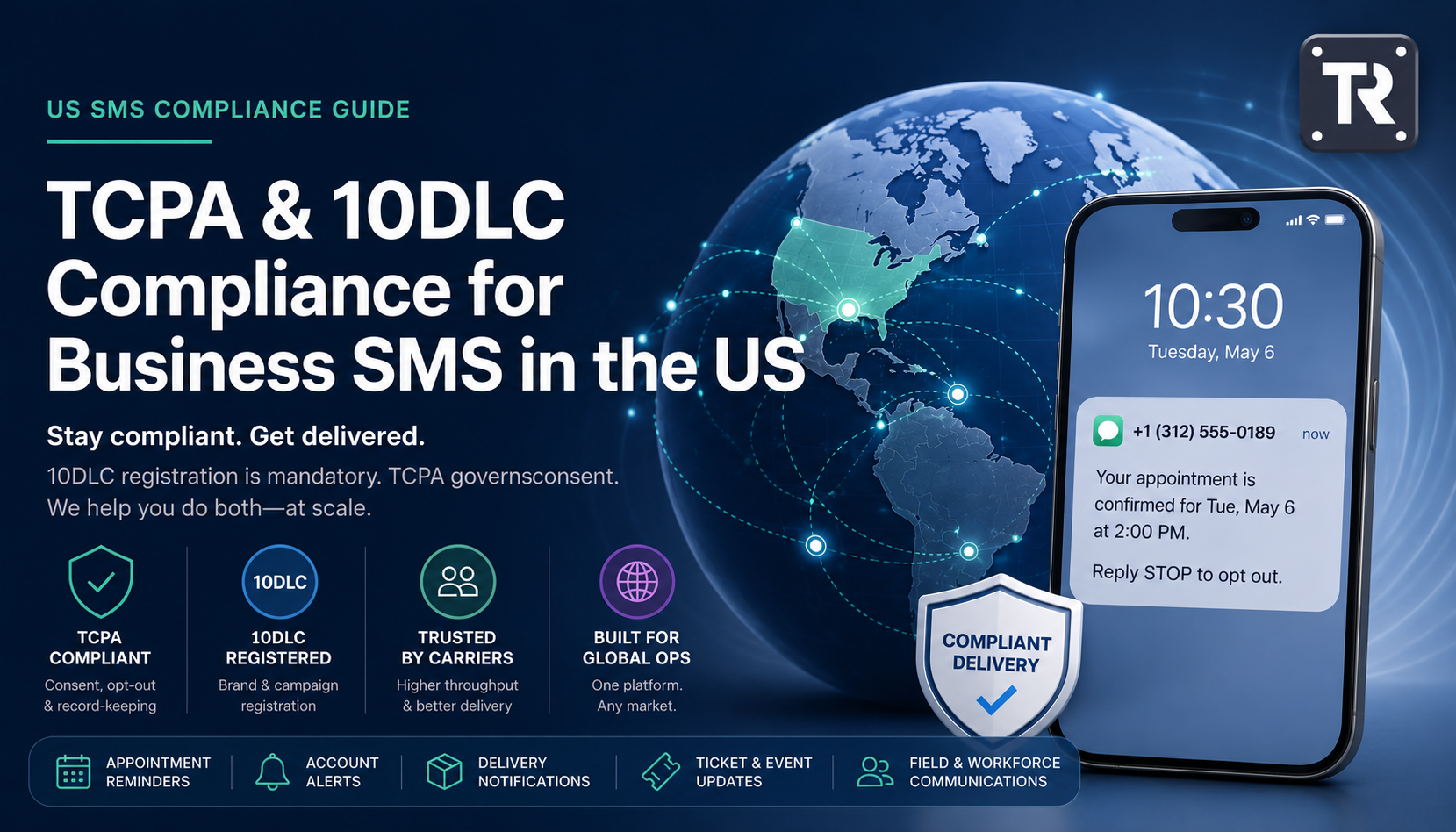
Business SMS in the United States: TCPA, 10DLC, and Building Operational Messaging Programs
Your SMS program is failing in the US in one of two ways, and often both simultaneously. The first is compliance failure: messages sent without proper consent, numbers not registered under 10DLC, campaigns that look identical to marketing even though they are not. The second is architectural failure: programs designed as marketing broadcasts trying to do the job of operational messaging, built on tools that cannot handle the verification, acknowledgment, and two-way logic that operational programs require.
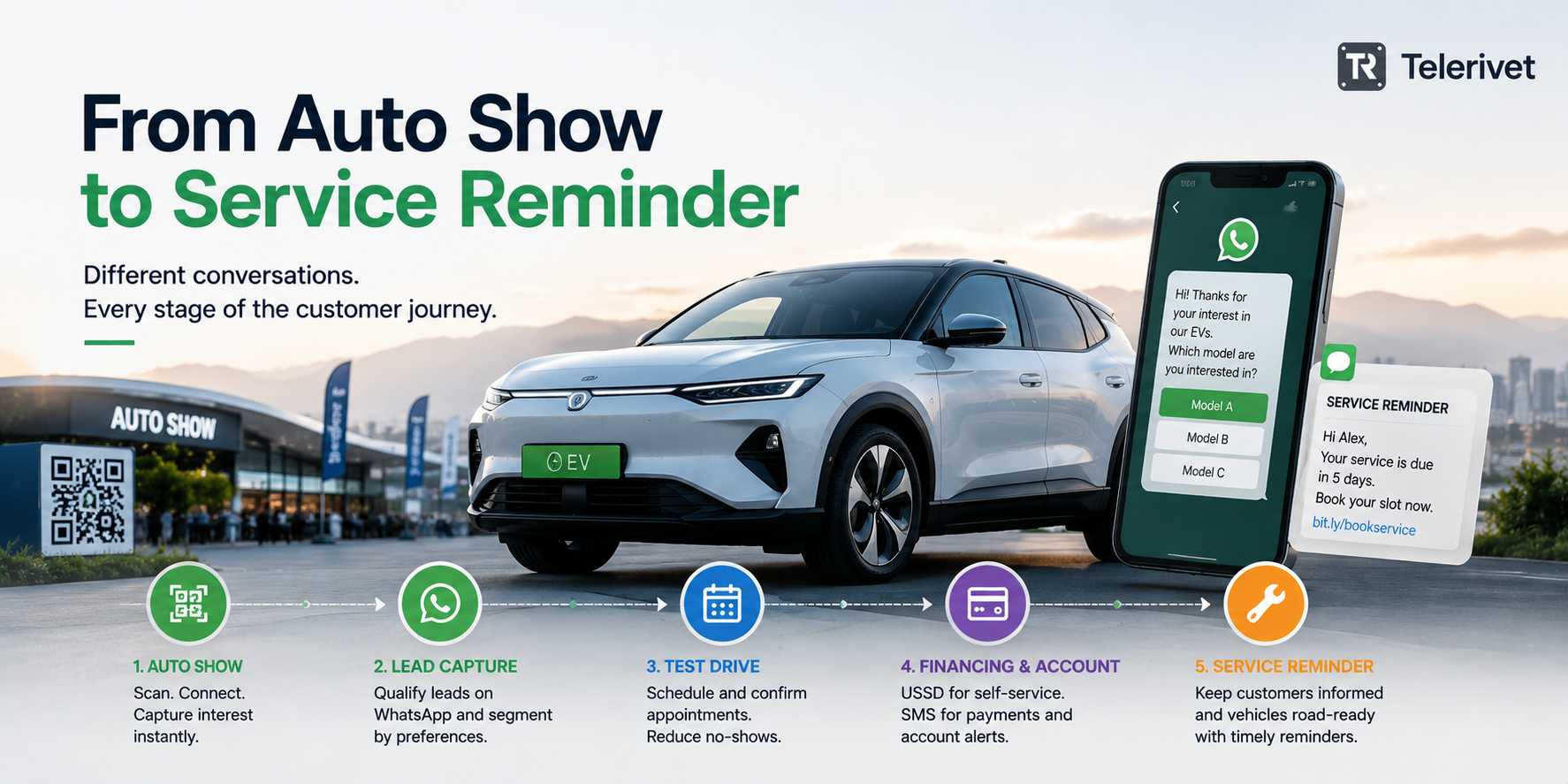
How Auto and EV Brands Use WhatsApp, SMS to Communicate Across the Customer Journey
Automotive and EV brands in markets across Southeast Asia, South Asia, and Africa use WhatsApp and SMS to manage communication across a customer journey that spans months: from initial inquiry through test drive, purchase, delivery, and ongoing ownership. The communication requirement at each stage is different, lead qualification looks nothing like service reminders, and the channel mix shifts depending on where the customer is in the journey and what device and connectivity environment they are in.