Civic observation field coordination is the real-time communication workflow that connects a central operations team with distributed volunteers across three phases: assignment dispatch before the window opens, structured status reporting during it, and escalation routing when anomalies arise. In most emerging markets, this workflow runs on SMS because SMS is the only channel that reaches every volunteer regardless of device type, data plan, or connectivity level.
Running a civic observation program is one of the more demanding field coordination problems in the public sector. You have hundreds or thousands of trained volunteers deployed across dispersed locations. The operational window is compressed and often unpredictable. Every check-in missed, every assignment unclear, every escalation that reaches the wrong person has consequences that compound quickly. And unlike most field programs, there is rarely a second window to fix what went wrong.
NGO & Development
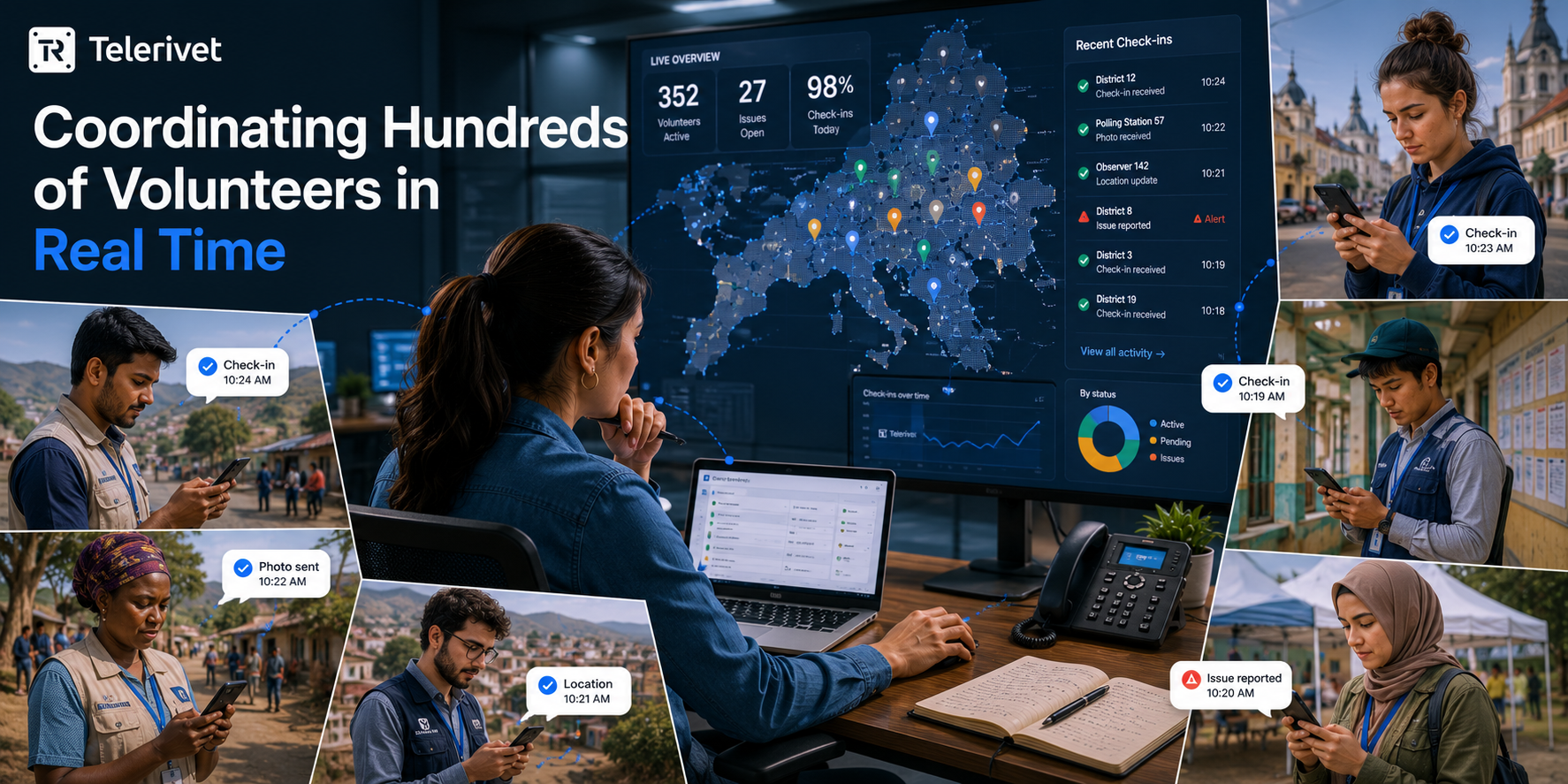
How Civic Observation Programs Coordinate Hundreds of Volunteers in Real Time
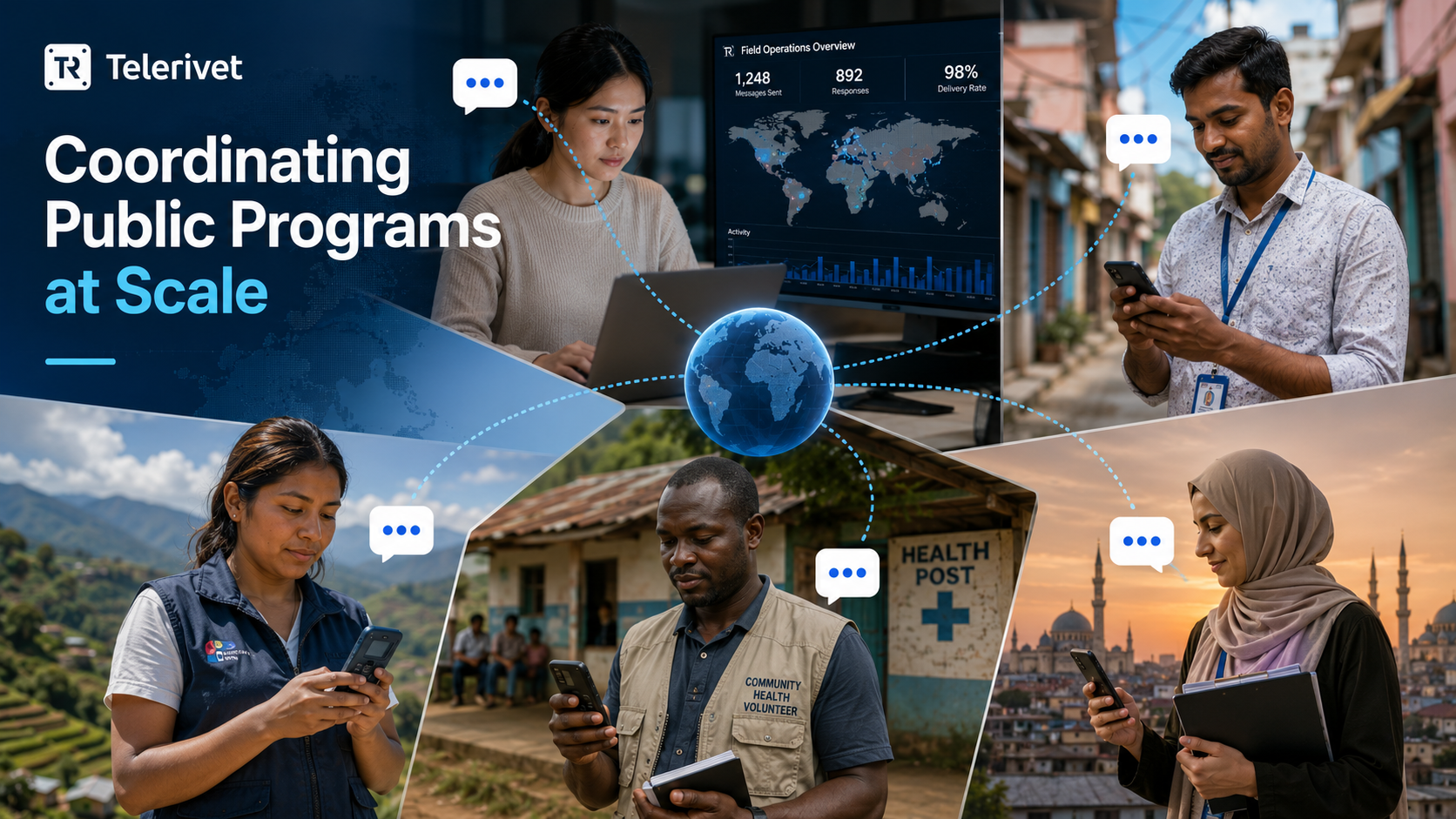
When the Work Happens Off the Grid: Coordinating Public Programs at Scale
Field coordination for public programs is the real-time exchange of instructions, status reports, and alerts between a central operations team and distributed agents or participants in the field. Across most of the world, this workflow runs on SMS because SMS is the only channel that works everywhere.
When I was a Peace Corps volunteer in Tanzania, I learned something that has shaped how I think about technology ever since. The most important work people were trying to accomplish didn't happen where the internet was. It happened in villages connected by dirt roads, in health posts with no reliable power, in community centers where a feature phone was the most sophisticated device in the room. The question was never whether people wanted to coordinate or communicate at scale. The question was what tools were actually usable in the conditions they were operating in.
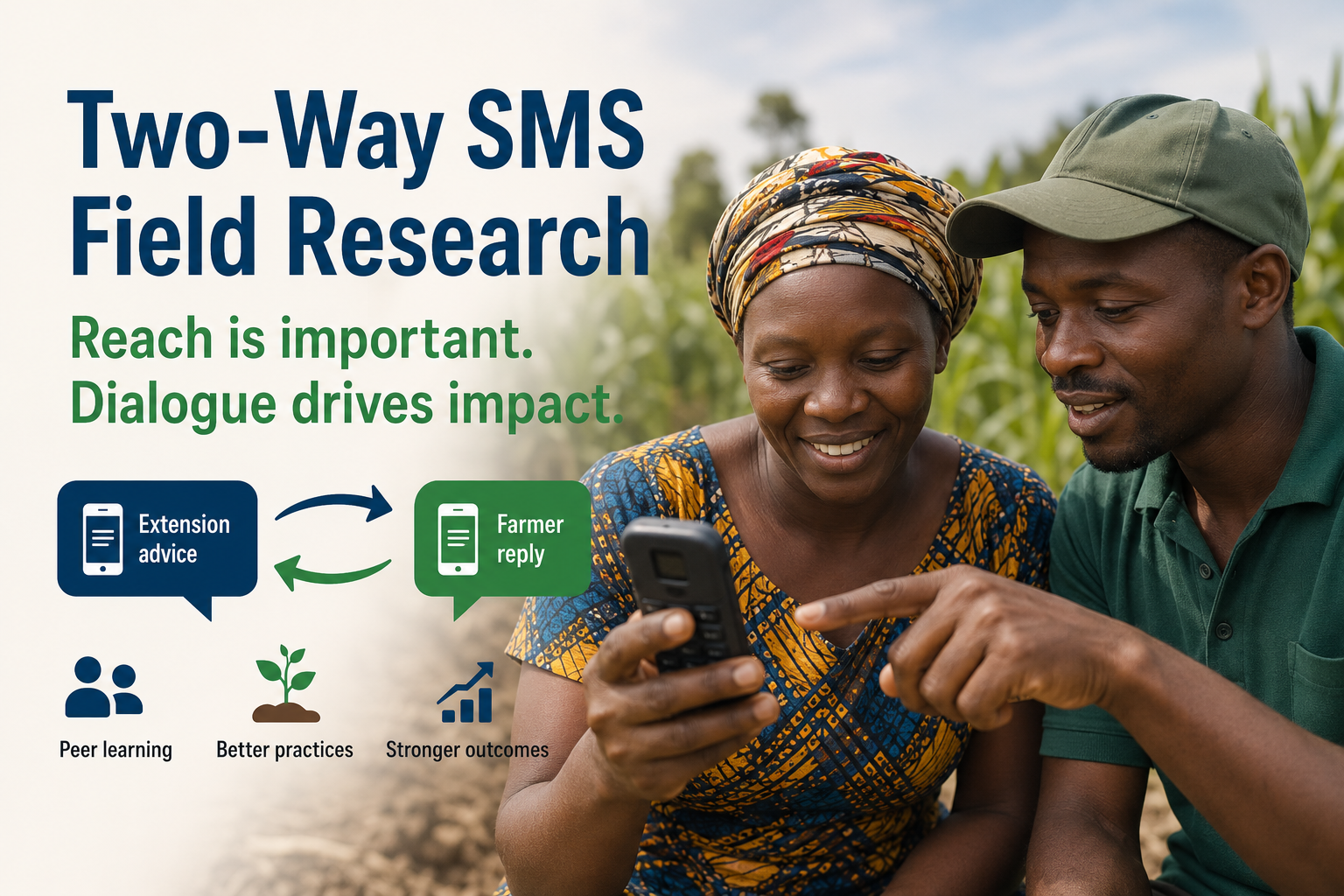
What a Tanzania Field Study Taught Me About Reach Versus Dialogue
Before I started Telerivet, I spent two years as a Peace Corps volunteer in Tanzania, working on local ICT skills in communities where a feature phone was often the only computer anyone owned. What stuck with me was not the technology itself, but how much people did with it once they could talk back instead of just receive.
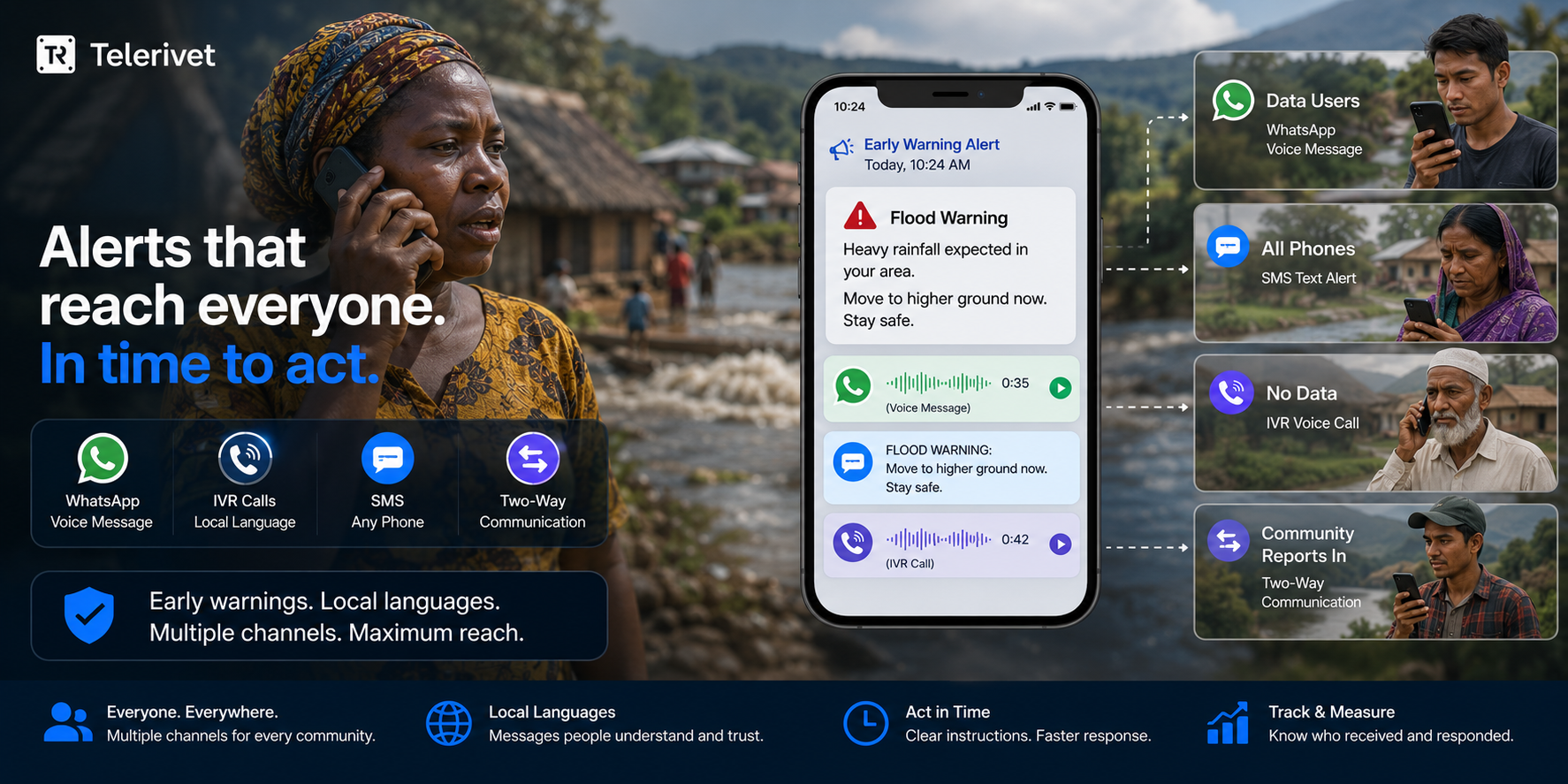
Reaching the People at Risk: How Mobile Communication Closes the Last Mile Gap in Multi-Hazard Early Warning Systems
An early warning system (EWS) that successfully alerts a dispatch team but fails to reach the community at risk has not completed its job. In disaster risk reduction (DRR) practice, the difference between a warning sent and a warning received, understood, and acted upon is often where lives are lost.
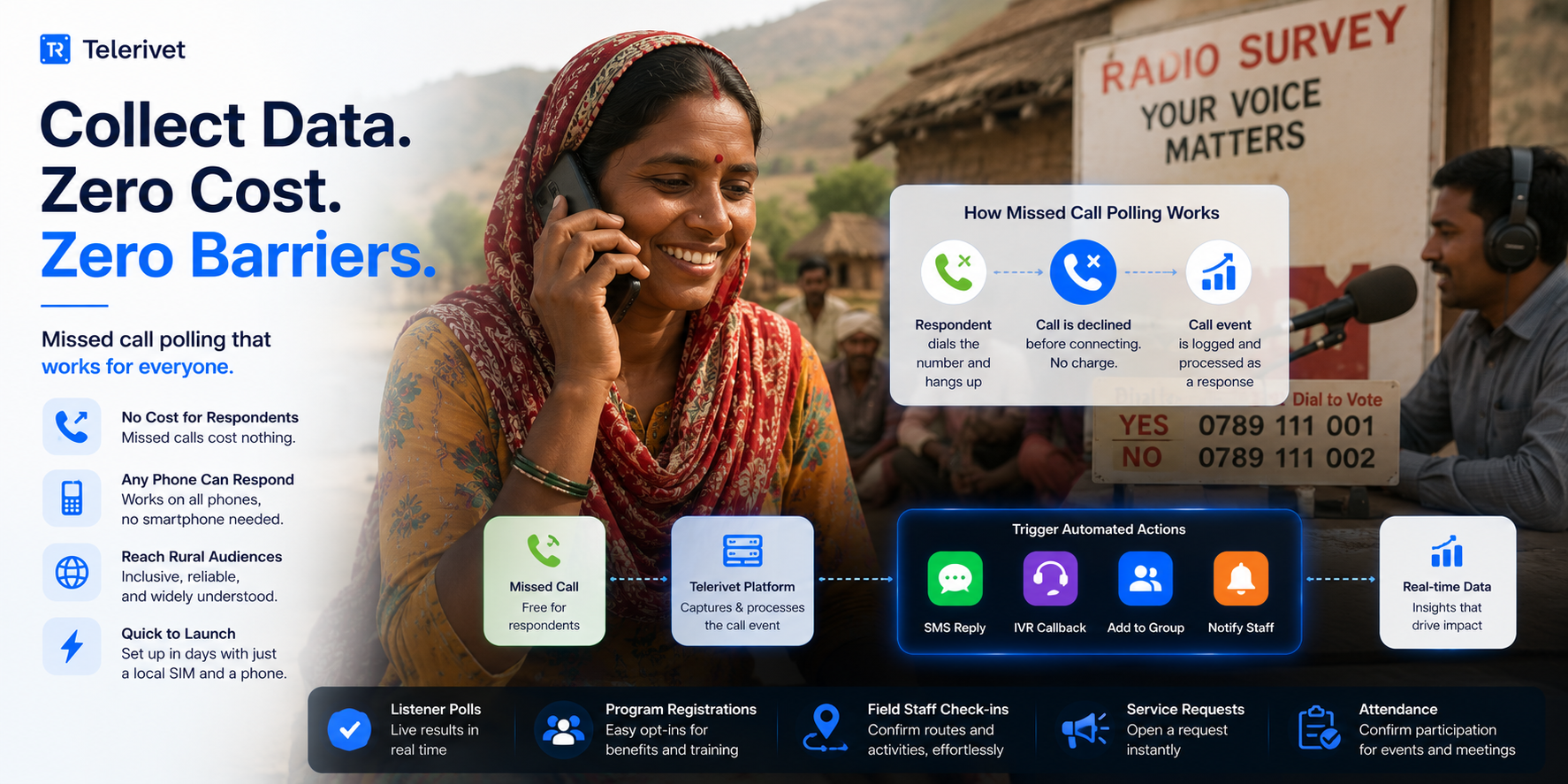
The Missed Call Is the Message: Collecting Field Data at Zero Cost to the Respondent
Every survey methodology has a hidden assumption built into it: that the person responding can afford to respond. For organizations collecting data from rural audiences across Sub-Saharan Africa, South Asia, and Southeast Asia, that assumption fails constantly. An SMS reply costs money. A data connection costs more. A survey that requires either one is not measuring what your audience thinks. It is measuring who can afford to tell you.